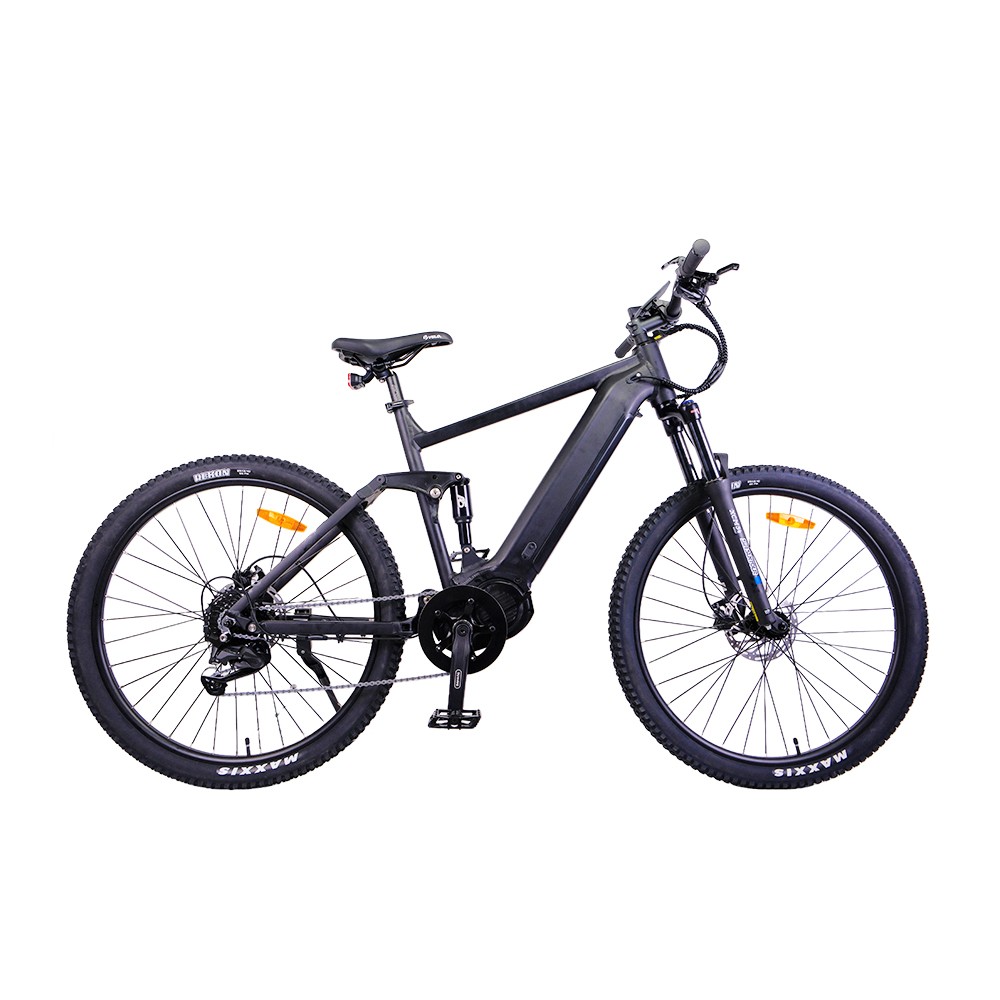


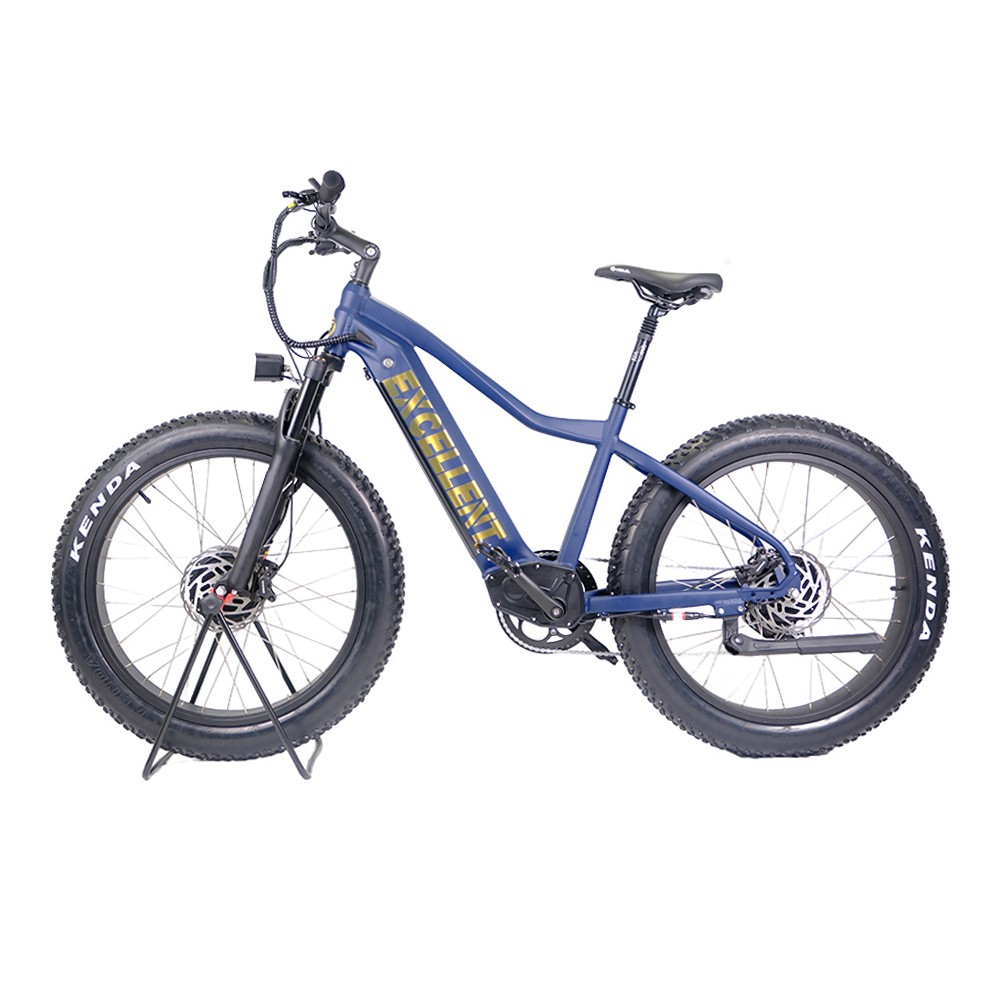


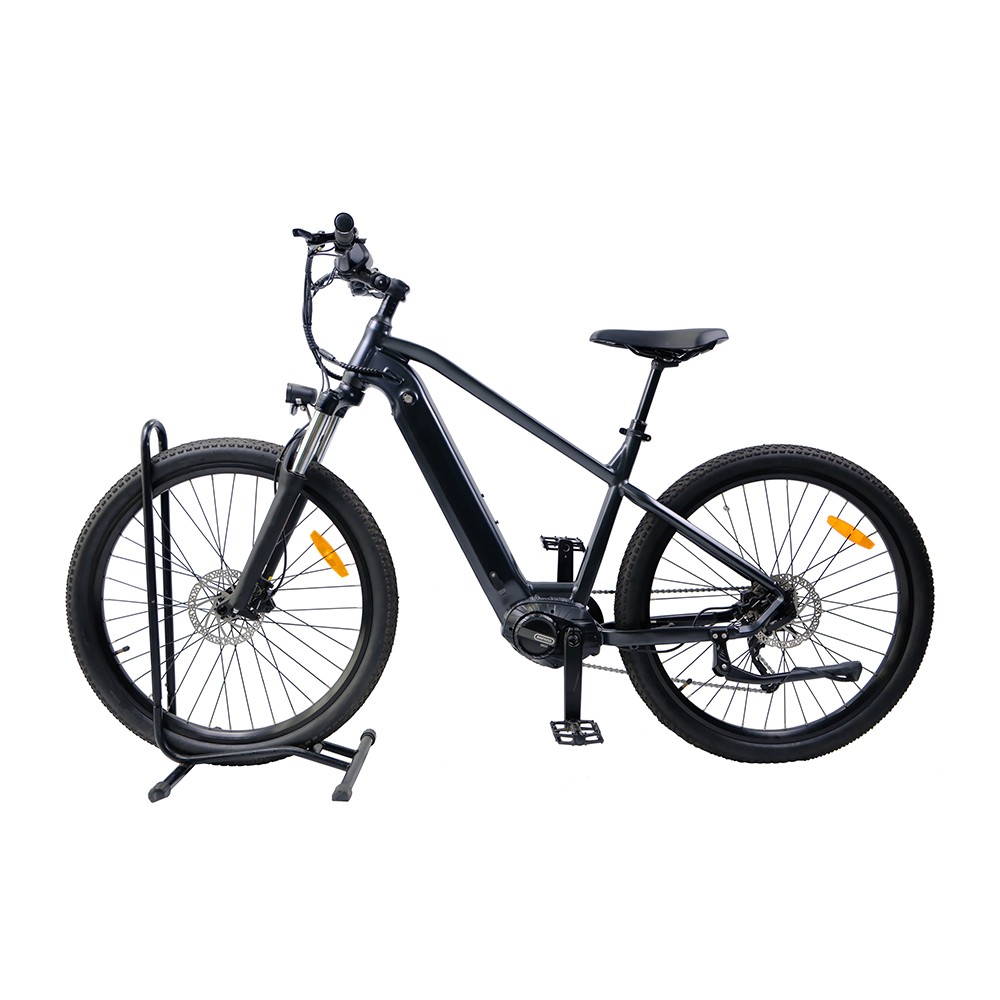
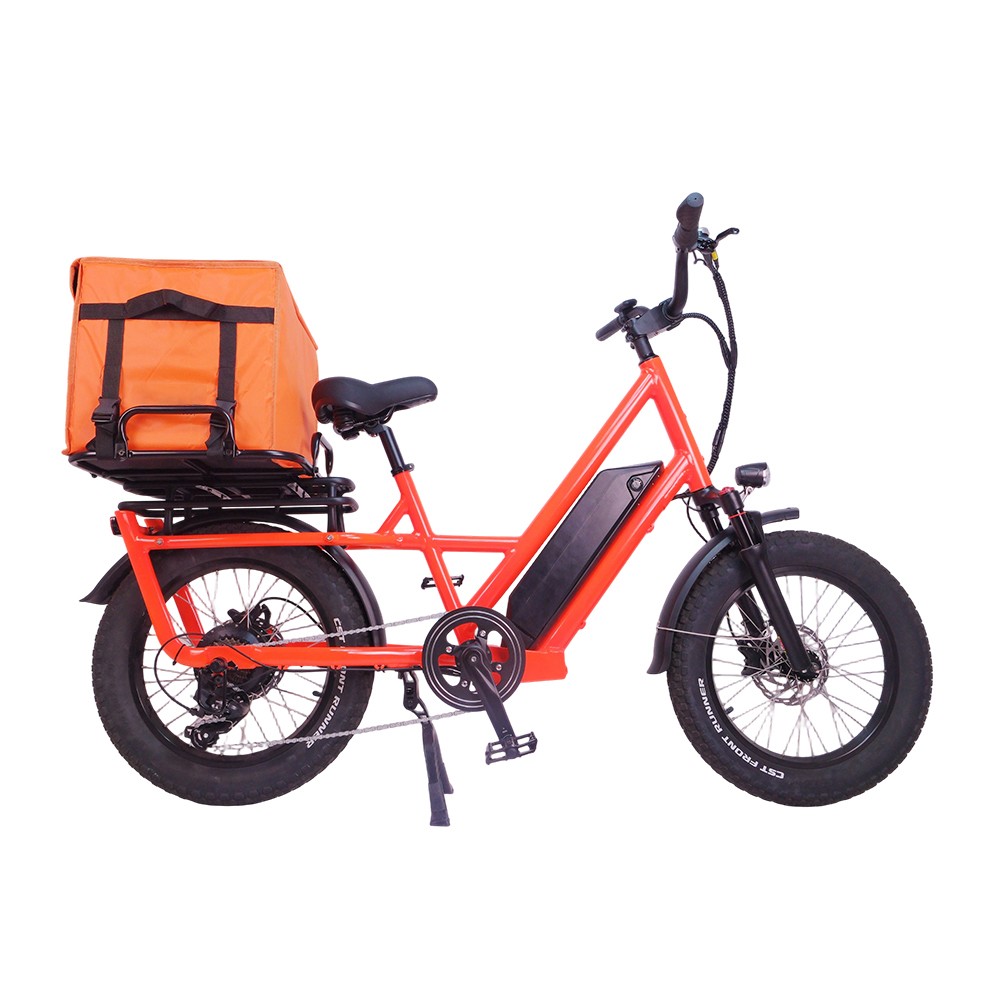
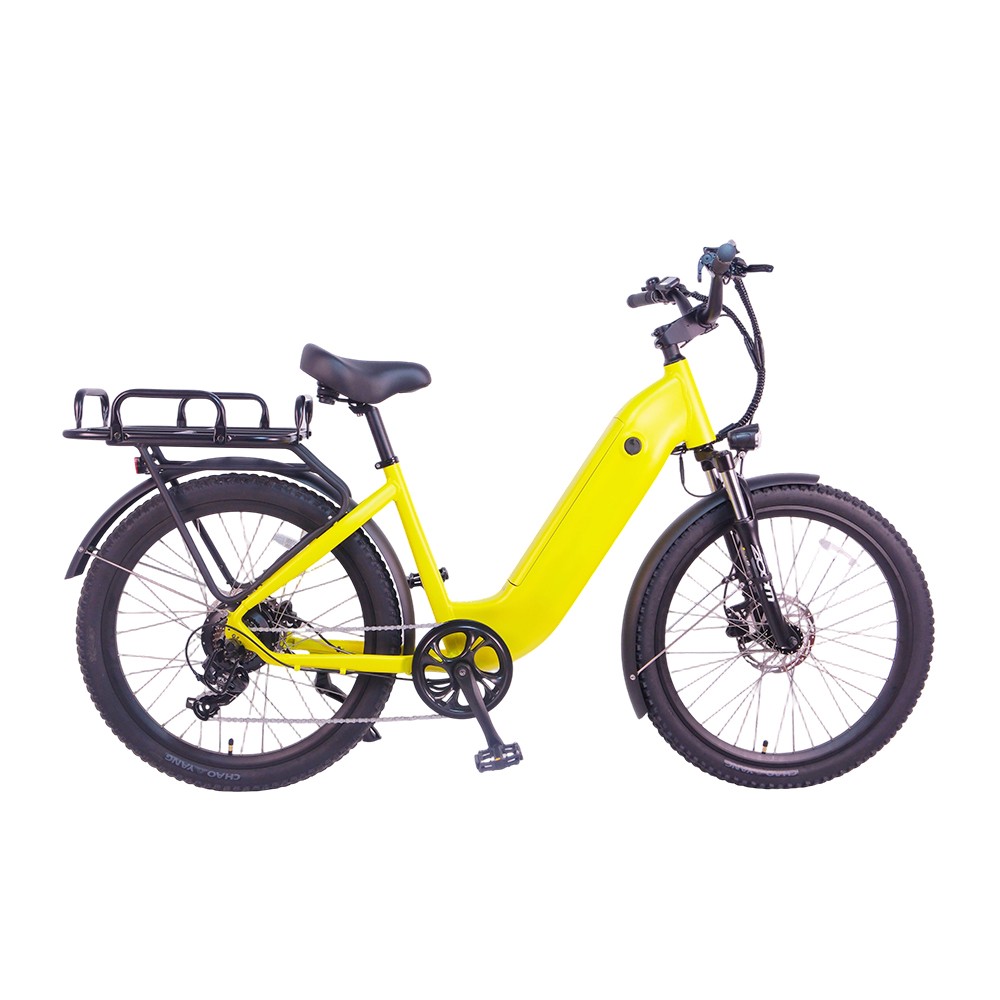
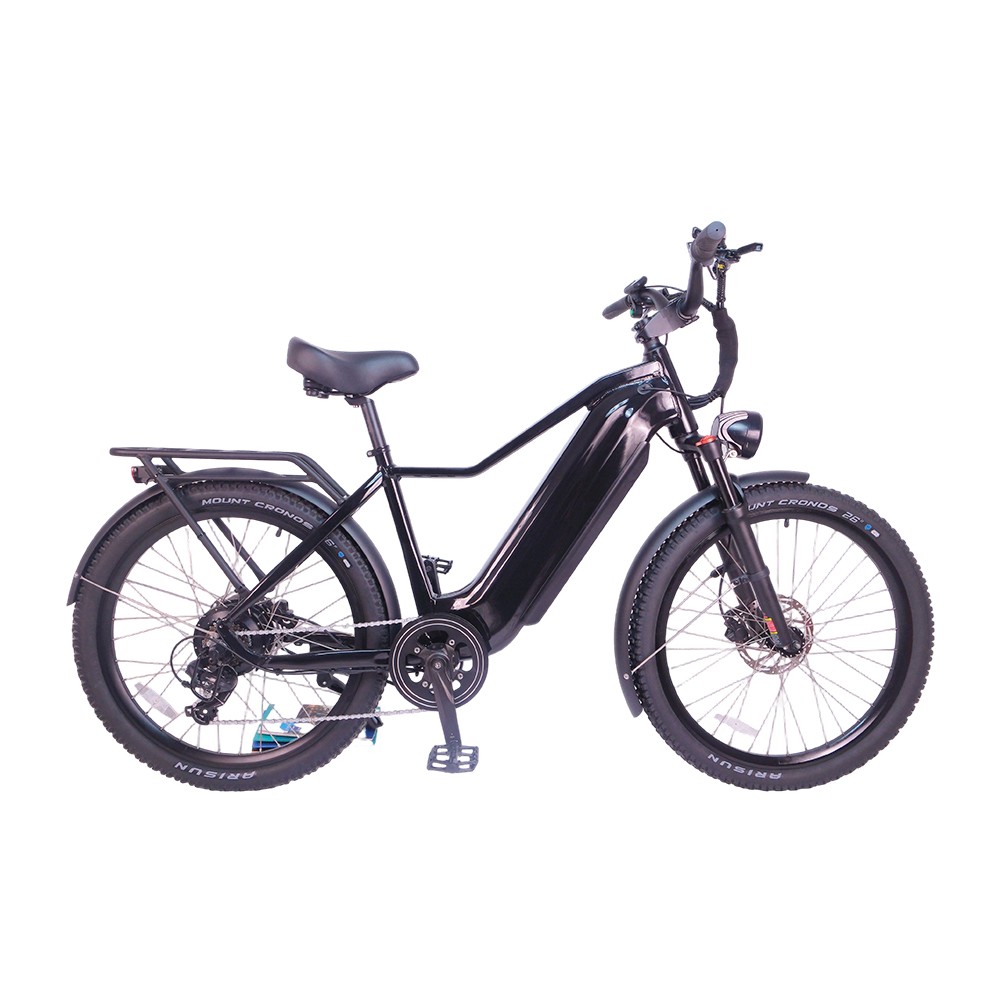
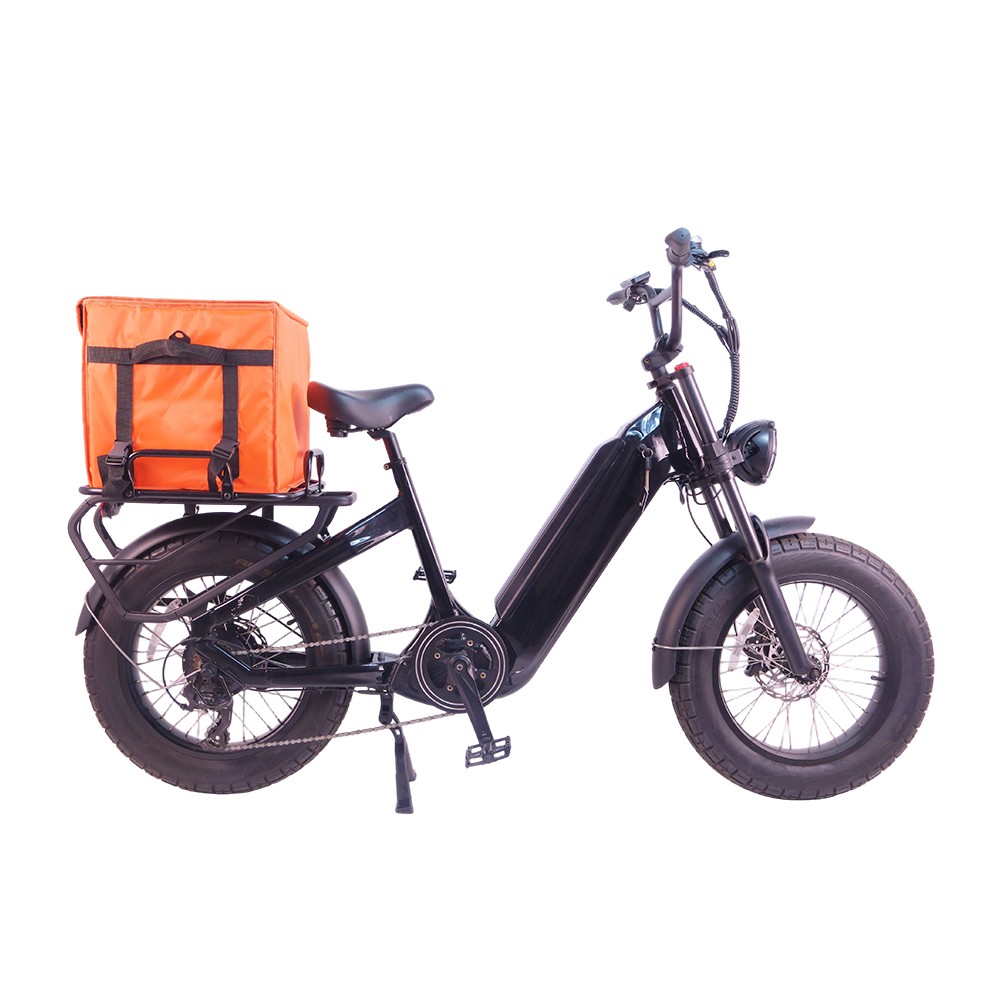
1. Define Clear Operational Requirements First
Before contacting suppliers, formalise core specifications aligned with last-mile delivery scenarios:
· Usage scenario: food delivery, parcel transport or mixed logistics; average daily mileage per vehicle
· Local legal limits: maximum motor power, top speed, vehicle weight, licensing rules
· Load requirements: rack capacity for delivery bags, reinforced frame strength
· Power solution: decide between fixed charging or swappable batteries (BaaS compatible)
· Climate conditions: thermal battery protection for hot or cold urban environments
· Fleet lifespan target: planned asset replacement cycle
2. Prioritise Total Cost of Ownership (TCO), Not Just Upfront Price
Many buyers focus only on purchase price, ignoring long-term expenses. Compare full lifecycle costs:
· Initial vehicle cost
· Spare part price and availability
· Expected maintenance frequency and labour fees
· Battery lifespan, replacement expense or subscription fees
· Downtime loss caused by frequent breakdowns
Tip: Avoid ultra-low-cost generic models with poor durability; high failure rates raise overall fleet operating costs.
3. Standardise Vehicle Models & Components
· Limit bulk order to1–2 unified models instead of mixing many brands and versions.
· Standardise brakes, tyres, controllers and battery interfaces.
· Benefits: simplify staff maintenance training, reduce spare parts stock types and achieve higher volume discounts.
· Reject custom one-off modifications unless proven necessary for delivery workflows.
4. Evaluate Battery Strategy (Critical for Delivery Fleets)
Two mainstream options for bulk procurement:
1. Vehicle + battery purchased together Suitable for fleets with dedicated charging facilities; higher upfront capital burden.
2. Separate vehicles, adopt Battery-as-a-Service (BaaS) / battery swapping Lower initial investment; easier battery health management via smart monitoring systems. Key checks: BMS quality, thermal safety certification, cycle life, compatibility with swapping stations.
5. Supplier Screening Checklist
Verify these criteria before signing bulk contracts:
· Manufacturer official certification, compliance with local safety standards (CE, UL and regional requirements)
· Stable production capacity to fulfil large orders on schedule
· Regional after-sales service network and authorised repair partners
· Guaranteed supply of spare parts for at least 3–5 years
· Warranty terms: clear coverage for frames, motors, controllers and batteries
· Ability to integrate IoT telematics / smart battery monitoring systems for fleet management
6. Negotiate Bulk Order Contract Terms
Key clauses to negotiate:
· Volume unit discount and price lock-in period
· Staggered delivery schedule to avoid storage pressure
· Defective unit return & replacement policy
· Extended bulk warranty for the fleet
· Framework pricing for future spare parts purchases
· Penalties for delayed deliveries or non-compliant vehicle quality
· Optional trial fleet: purchase a small test batch before full large-scale order
7. Built-in Fleet Digital Capability
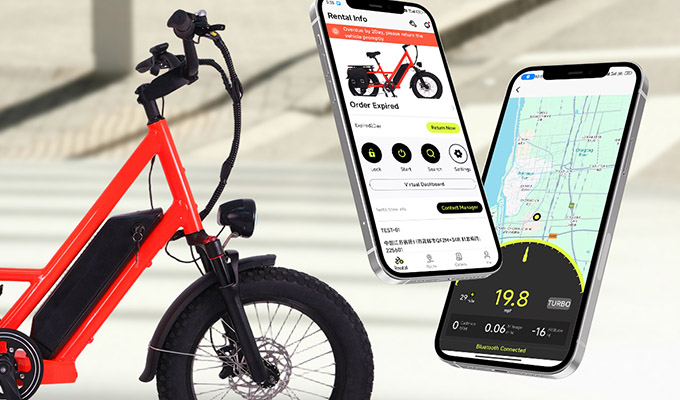
Prioritise e-bikes with pre-installed IoT devices:
· Real-time GPS tracking
· Remote fault diagnostics
· Battery data upload (SoC, temperature, cycle count)
· Rider behaviour monitoring (speeding, harsh braking) The data supports preventive maintenance and reduces unexpected vehicle downtime.
8. Test & Quality Inspection on Delivery
Arrange pre-delivery inspection or on-site receiving checks:
· Examine frame welding, braking system, wiring stability
· Verify battery consistency and BMS function
· Confirm all telematics systems connect to your fleet backend
· Record serial numbers of every unit for asset tracking
9. Plan Long-Term Fleet Rotation
Agree with suppliers on trade-in schemes for ageing vehicles. Set internal rules: retire units when recurring maintenance costs become uneconomical, rather than endless repairs.
10. Risk Avoidance
· Do not over-order without forecasting actual rider demand.
· Confirm import/import tax regulations if purchasing cross-border.
· Check city transport policies to avoid buying models that will face usage restrictions in the future.