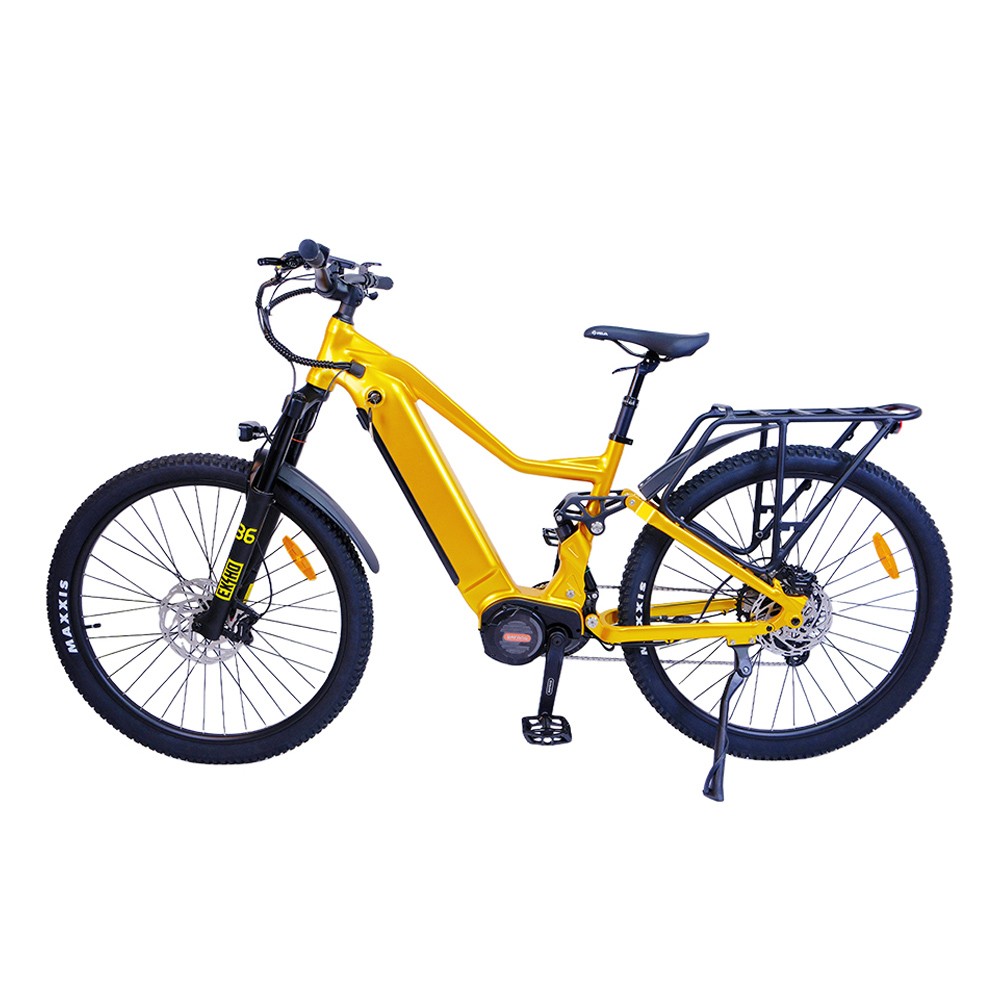
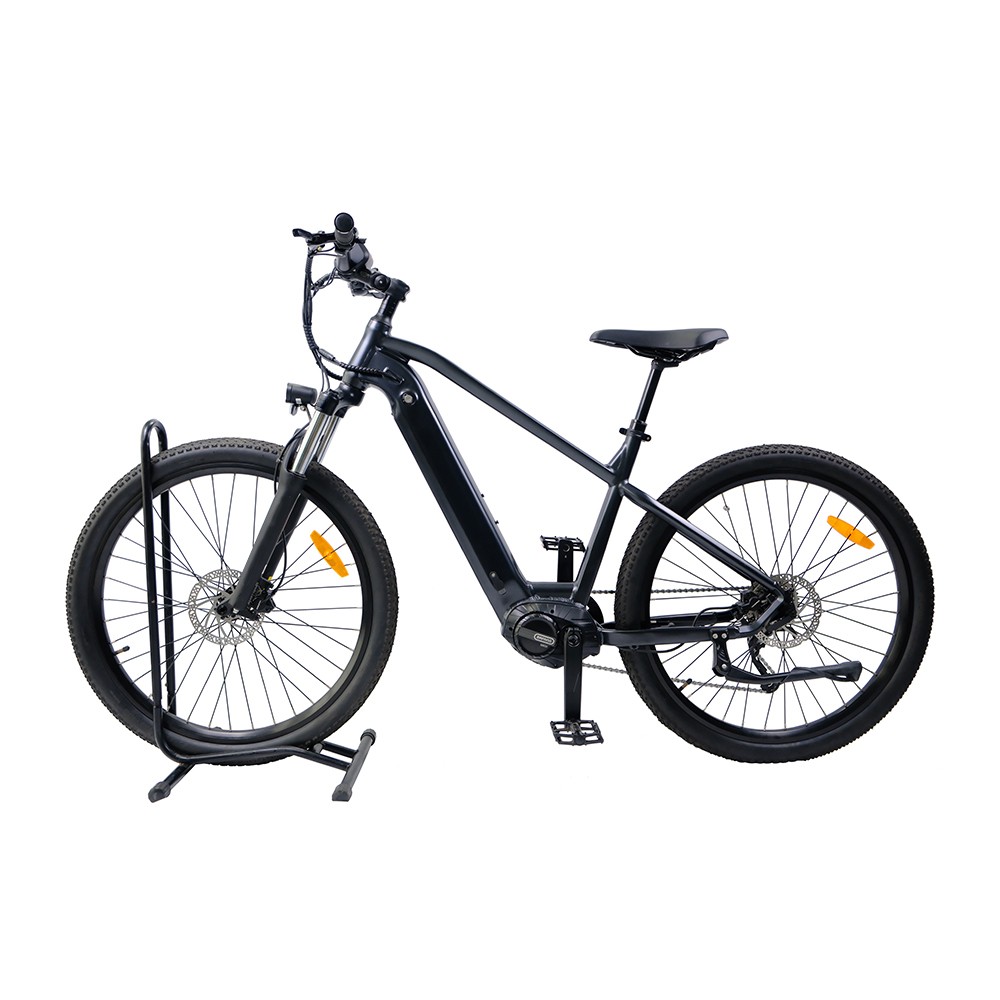
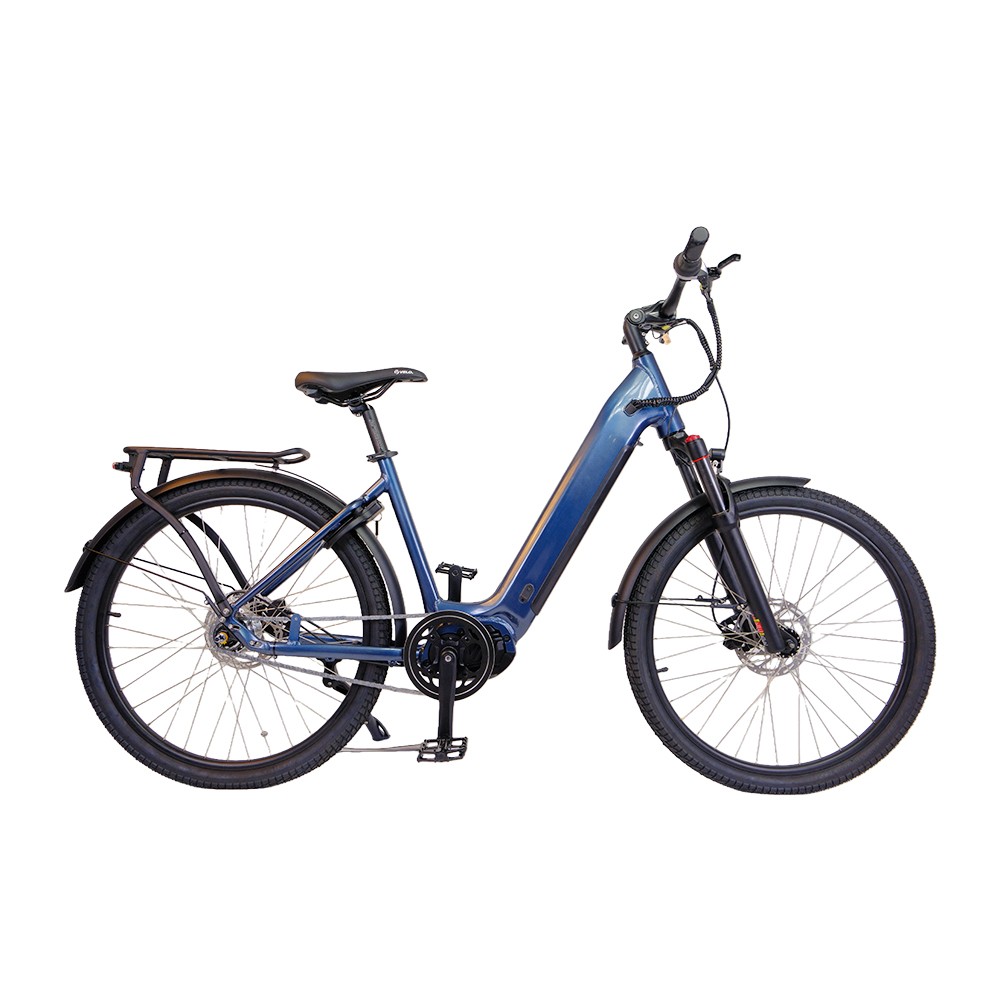
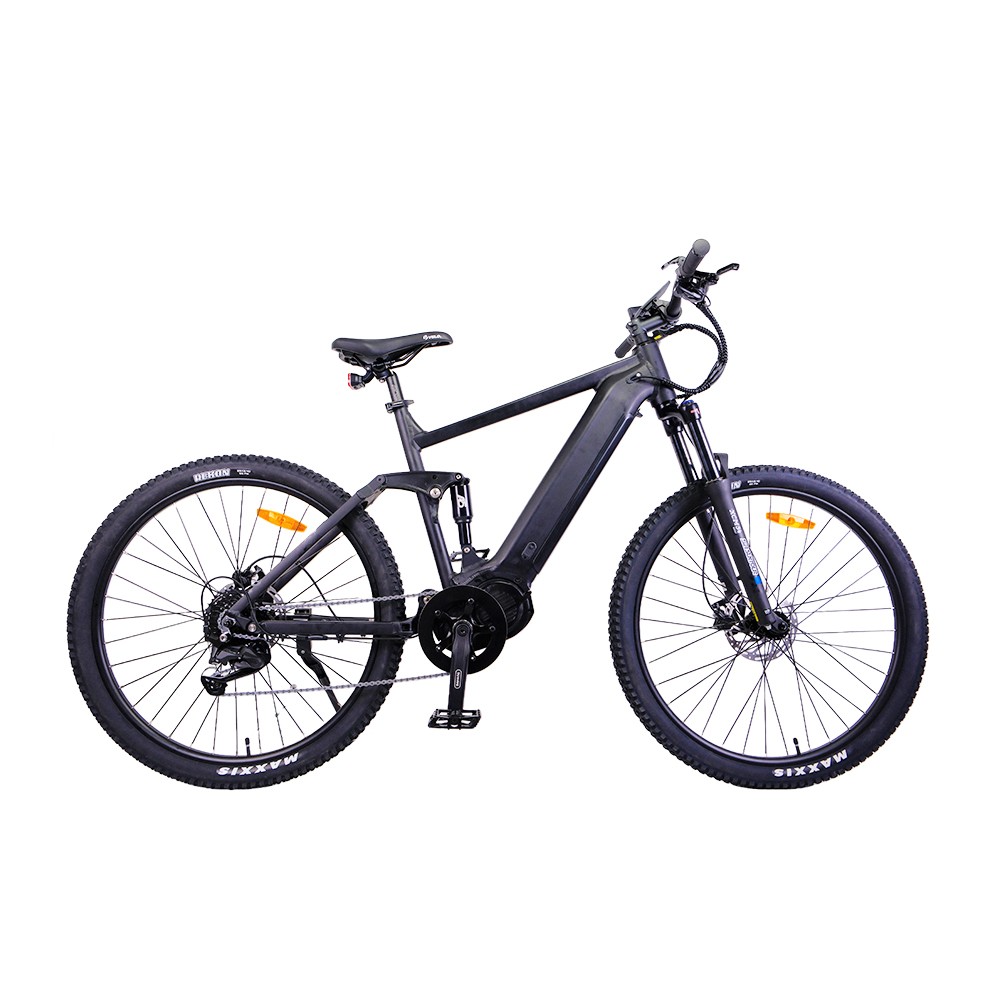


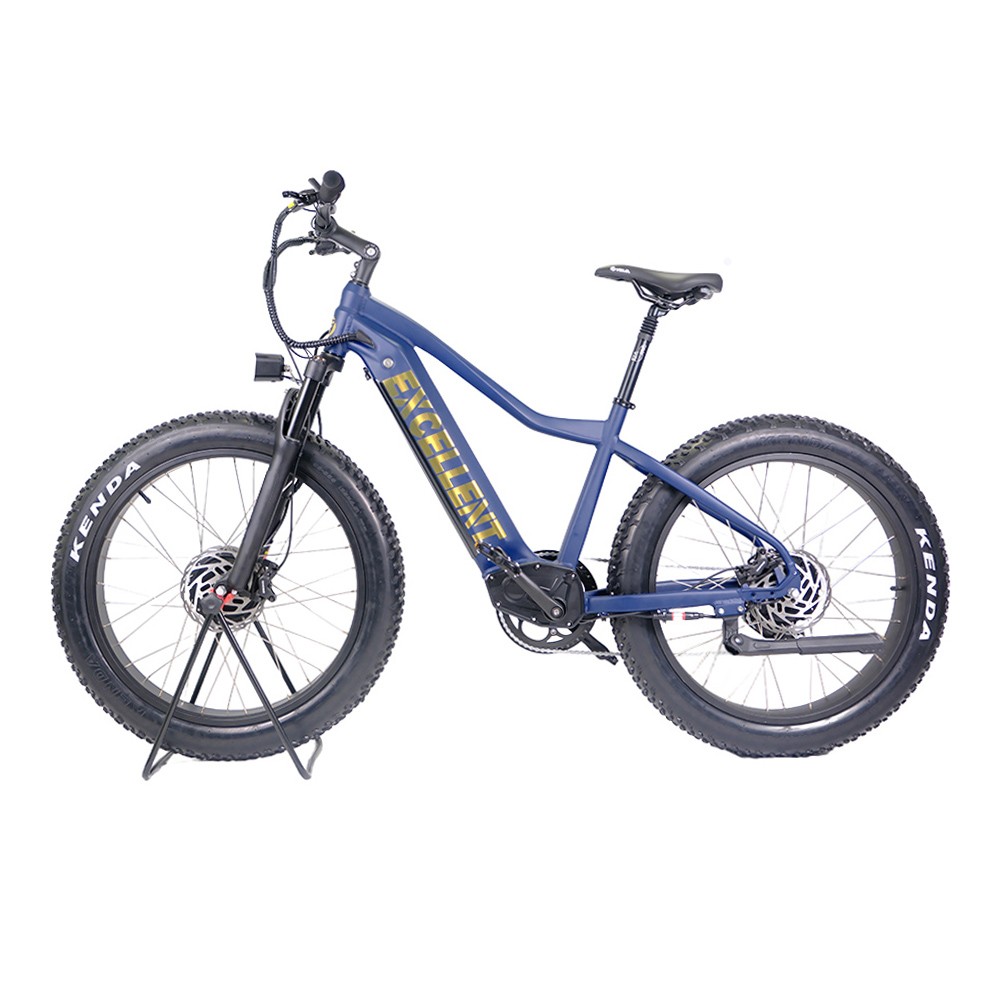


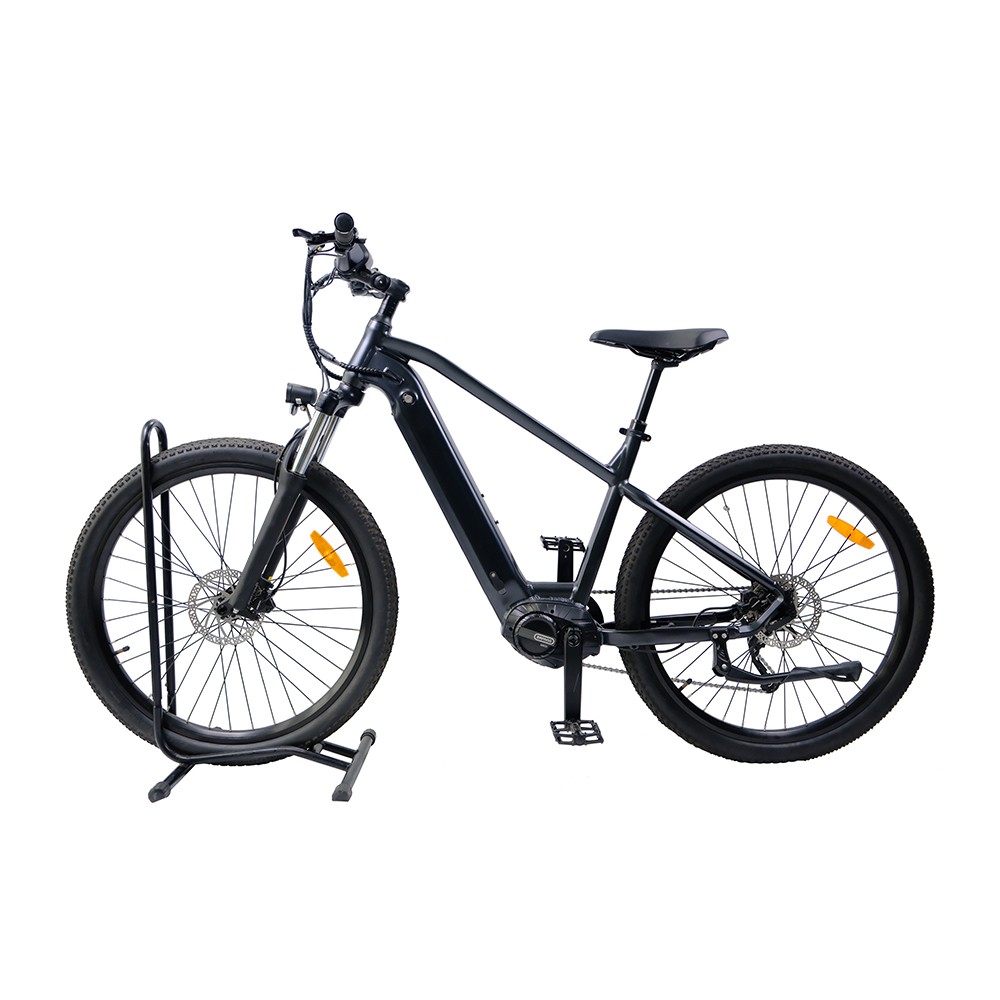
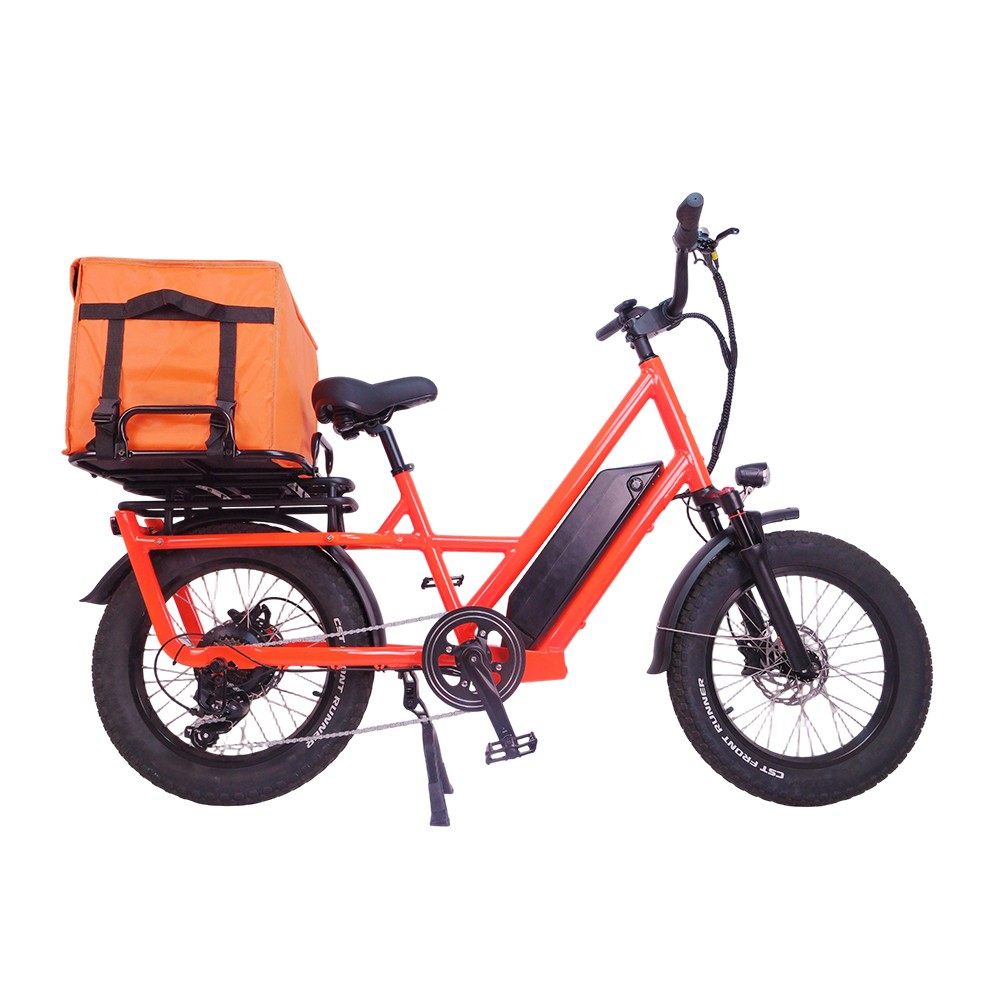
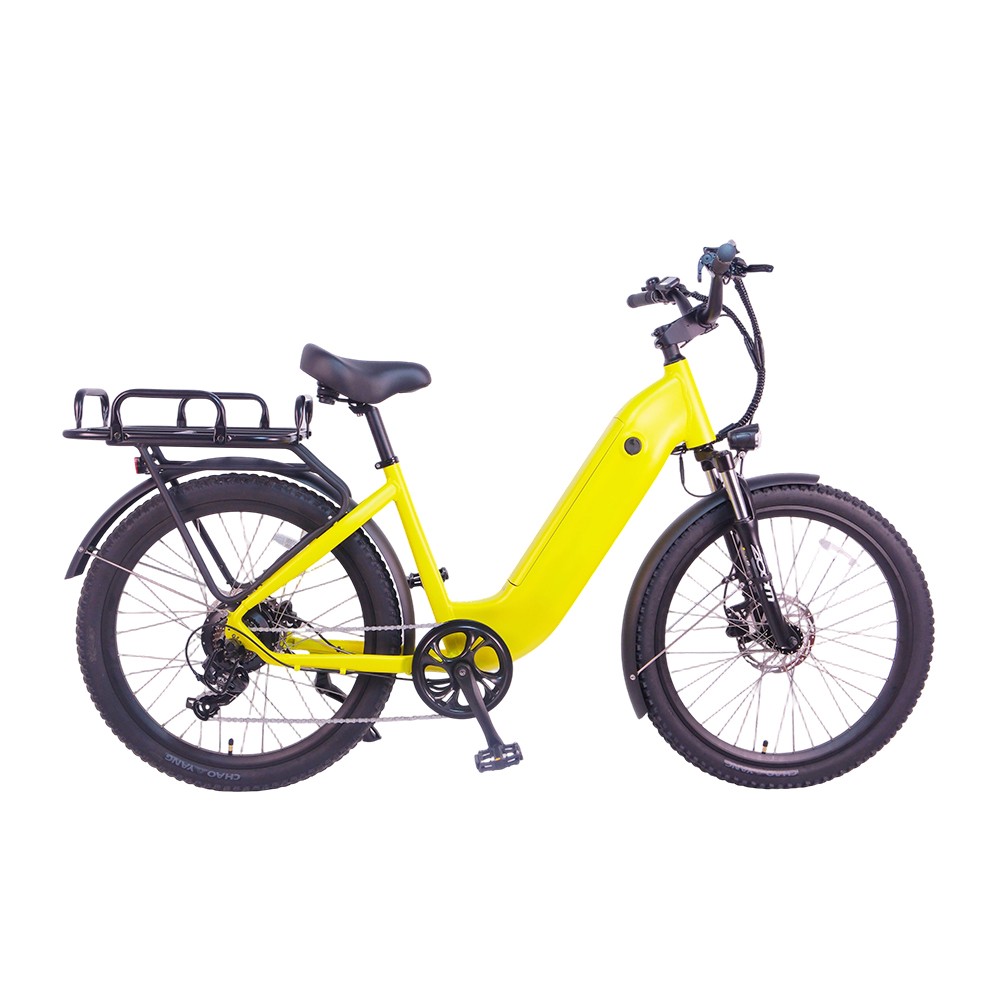
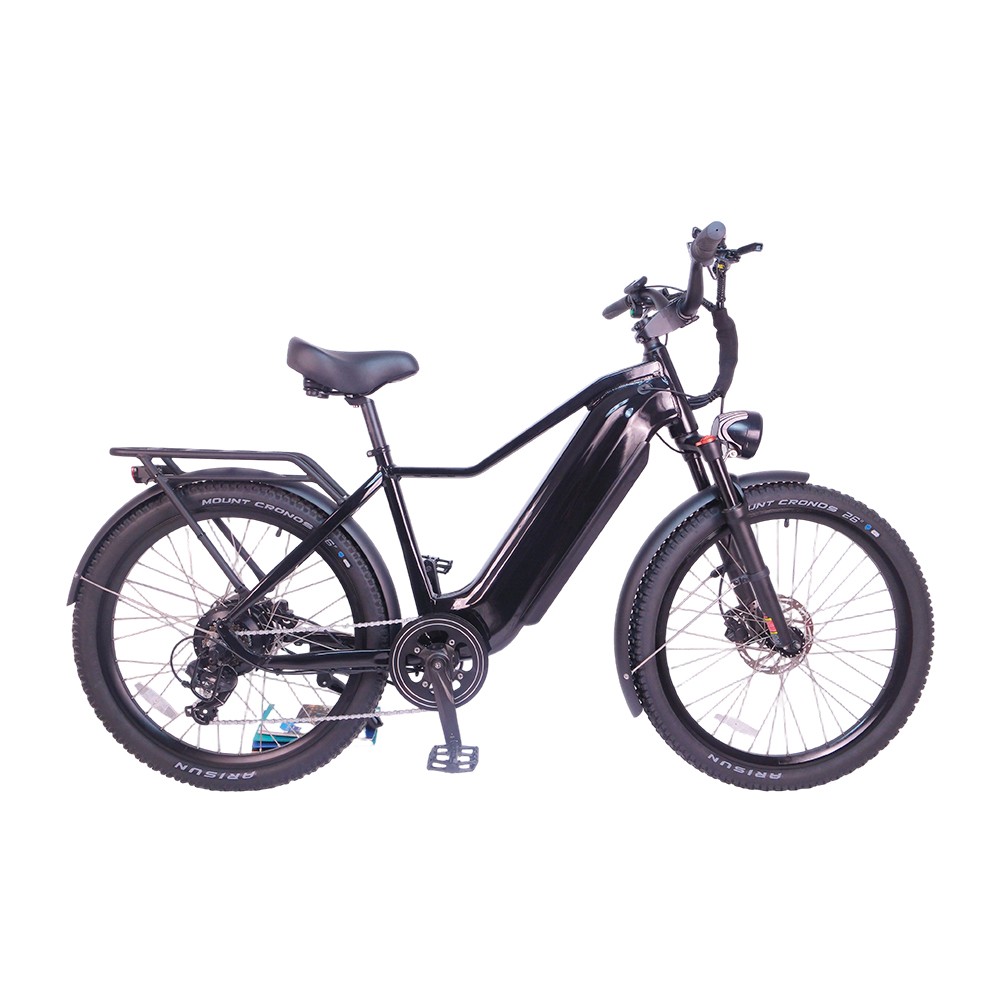
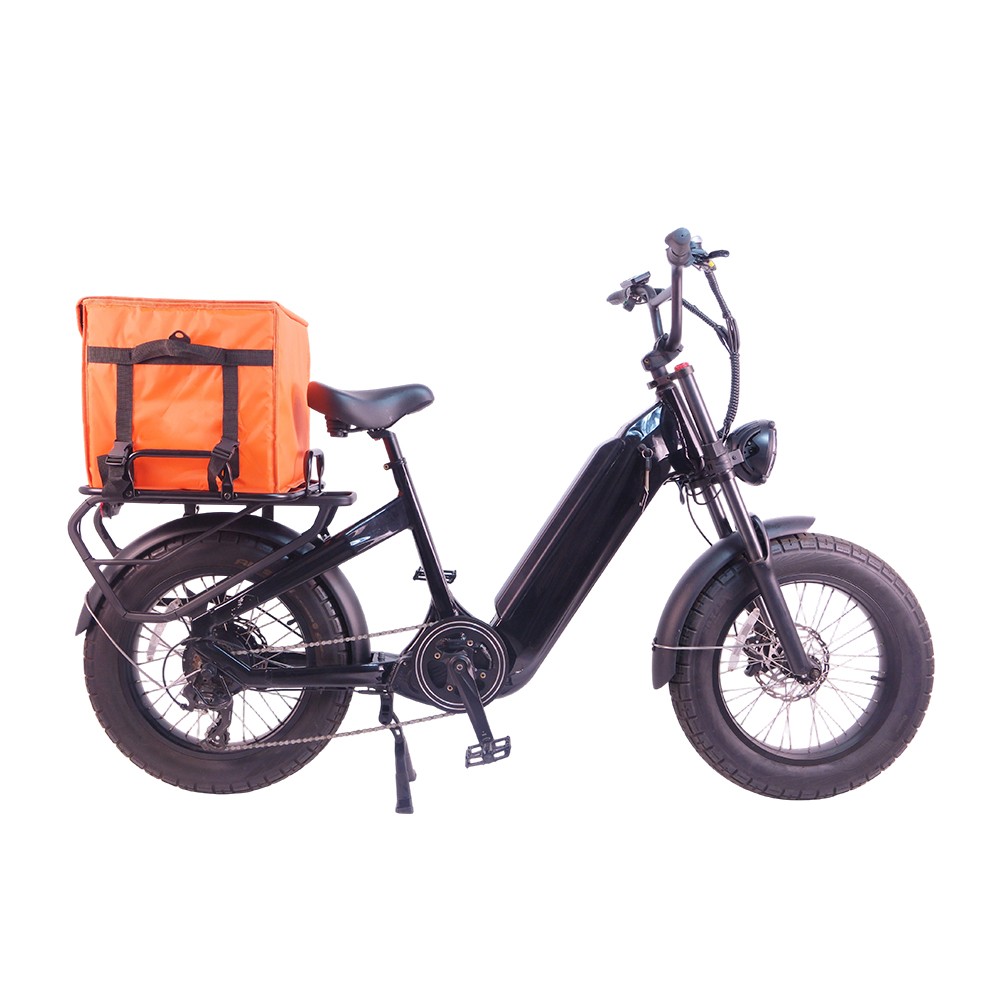
E-bikes improve delivery fleet productivity by maximizing drop-off speeds in congested zones, lowering rider fatigue to sustain peak shift performance, and slashing vehicle downtime through simplified maintenance. Transitioning from traditional vans, cars, or mopeds to a purpose-built e-bike fleet directly translates to more completed orders per hour and lower operational overhead.
1. Faster Delivery Times in Urban Centers
Traffic congestion slows traditional vehicles down, whereas e-bikes navigate congested urban grids with ease.
· Traffic bypassing: Riders utilize designated bike lanes to bypass gridlocked vehicular traffic entirely.
· Instant parking: Eliminates the 5-to-10 minute search for legal vehicular parking at every drop-off location.
· Direct route access: Allows routing through pedestrian zones, parks, and alleys that cars cannot enter.
· Higher average speeds: Maintains a steady 20–25 mph pace in dense downtown areas where cars average under 10 mph.
2. Sustained Rider Energy and Reduced Turnaround
Human physical limitations disappear when cargo bikes are equipped with commercial-grade electric assist.
· Effortless hill climbing: Mid-drive or high-torque hub motors flatten steep inclines, preserving rider energy.
· Faster stop-and-go acceleration: Motor assistance quickly propels a fully loaded 100-pound cargo setup from a dead stop.
· Reduced physical burnout: Minimizes driver exhaustion, resulting in fewer errors and sustained delivery speeds at the end of an 8-hour shift.
· Broader hiring pool: Lowers the physical entry barrier, allowing fleets to recruit from a wider demographic of workers.
3. Lower Total Cost of Ownership (TCO) and Uptime
Fewer mechanical moving parts mean e-bikes spend significantly more time on the road making money compared to internal combustion engine (ICE) vehicles.
· Zero fuel expenses: Recharging a commercial e-bike battery costs pennies compared to filling a gas tank.
· Simplified maintenance: Avoids costly oil changes, transmission repairs, or exhaust system overhauls.
· Minimized parking fines: Eliminates the thousands of dollars in double-parking tickets that urban delivery vans accumulate monthly.
· Rapid fleet swapping: If an e-bike requires service, it can be instantly swapped for a backup chassis without requiring a costly tow truck.
4. Data-Driven Route and Fleet Optimization
When utilizing connected e-bike fleets, integrated IoT modules stream performance data directly into dispatch software.
· Precise ETAs: Provides dispatchers with highly accurate delivery windows based on dedicated bike route algorithms.
· Predictive maintenance alerts: Flags battery degradation or brake wear automatically before a catastrophic failure happens mid-delivery.
Geofenced asset protection: Instantly alerts managers if a vehicle wanders outside its designated delivery zone, lowering theft losses.