



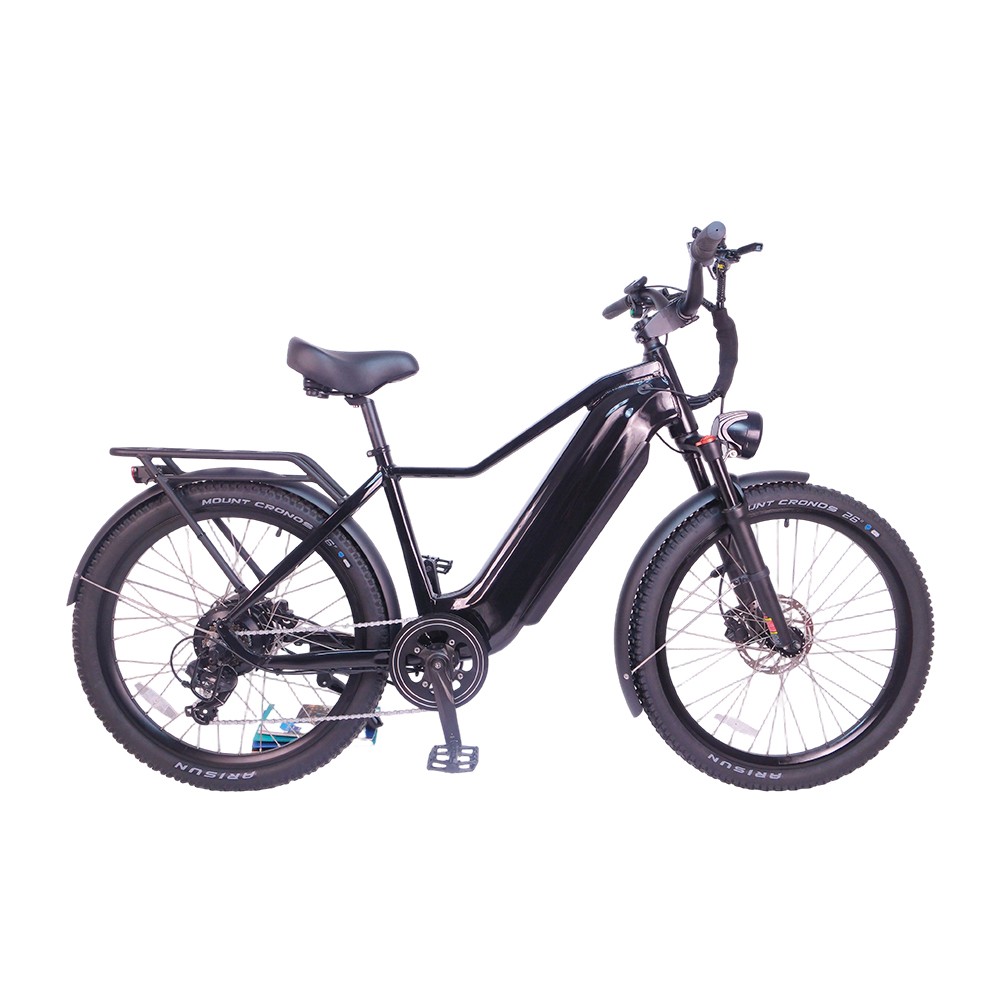
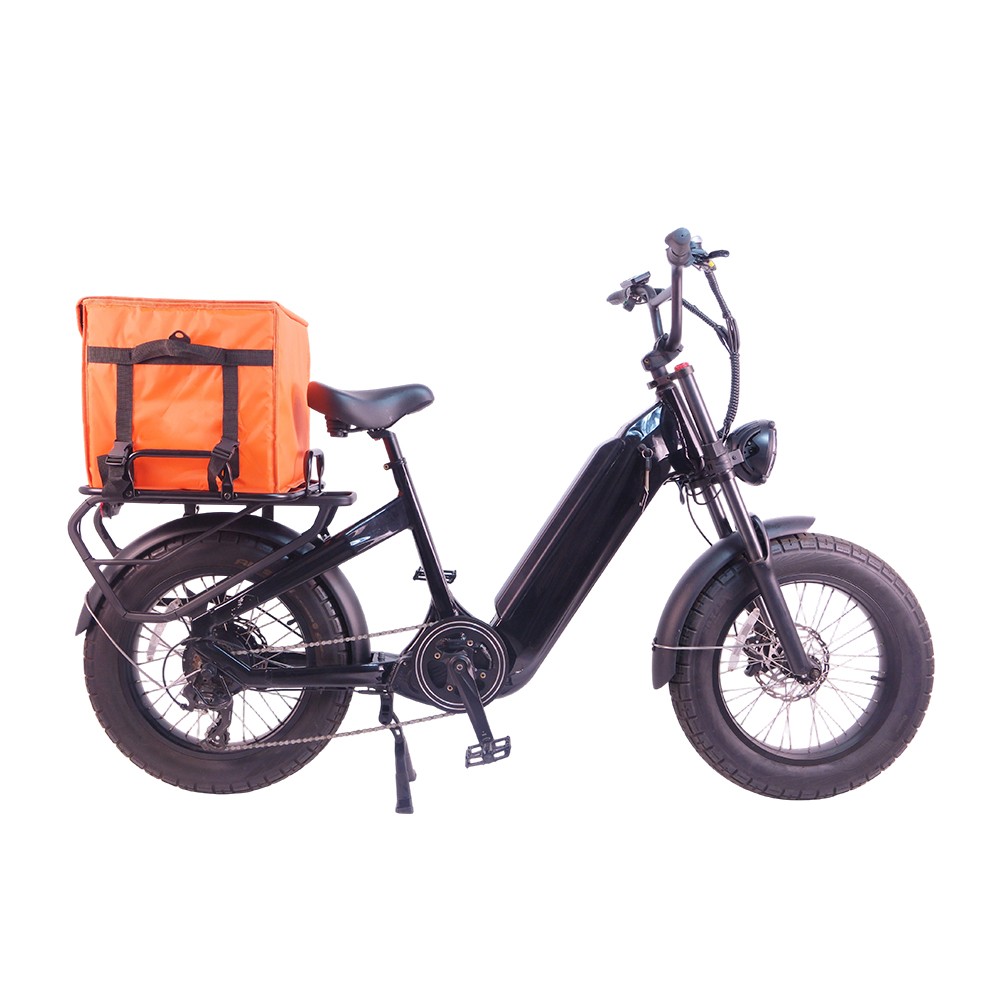
Rental companies manage large e-bike fleets by using centralized software platforms paired with specialized field logistics to maintain high vehicle uptime and prevent asset loss. Managing hundreds or thousands of connected vehicles requires a strict balance of digital tracking and physical operations.
1. IoT Tracking and Software Management
· GPS tracking: Every e-bike houses a cellular IoT module that broadcasts real-time location data to a central management dashboard.
· Geofencing technology: Software creates invisible boundaries that automatically slow the bike down, trigger alarms, or fine users if they enter restricted zones.
· Over-the-air (OTA) updates: Managers push remote firmware updates to fix software bugs, optimize battery performance, or change speed limits across the entire fleet.
· Remote locking: Immobilizer systems disable the drivetrain automatically the moment a rental session ends or if tampering is detected.
2. Battery and Charging Infrastructure
· Swappable batteries: Instead of moving whole bikes to chargers, field crews swap depleted batteries for fresh ones directly on the street.
· Smart charging hubs: Central warehouses use specialized fire-safe racks to bulk-charge hundreds of batteries safely during off-peak energy hours.
· Predictive range algorithms: Customer apps read live battery percentages and filter out e-bikes that lack the juice to complete a user's intended route.
3. Smart Maintenance and Predictive Repairs
· Can-bus diagnostics: Internal sensors automatically flag mechanical errors—like brake wear, motor faults, or tire pressure drops—to the central dashboard.
· Automated work orders: System alerts immediately route a broken bike's exact coordinates to the closest mobile mechanic's smartphone.
· Preventative scheduling: Algorithms count total kilometers ridden per bike to trigger mandatory hardware inspections before parts actually fail.
4. Field Operations and Rebalancing
· Van rebalancing: Operations teams use predictive heatmaps to identify vehicle deficits, loading e-bikes into vans to move them from low-demand zones to high-traffic hubs.
· User-incentivized parking: Apps offer ride credits or discounts to customers who park their e-bikes in designated high-demand areas.
· Street compliance teams: Ground crews physically reposition knocked-over bikes and clear blocked walkways to avoid city fines and maintain community goodwill.
Fleet Management Breakdown
|
Management Pillar |
Primary Tool Used |
Core Objective |
|
Asset Security |
GPS & Geofencing |
Prevent theft, vandalism, and illegal parking. |
|
Power Logistics |
Swappable Batteries |
Keep vehicles running without taking them off the street. |
|
Maintenance |
CAN-bus Diagnostics |
Minimize downtime and extend vehicle lifespans. |
|
Distribution |
Heatmaps & Vans |
Match bike availability with real-time commuter demand. |