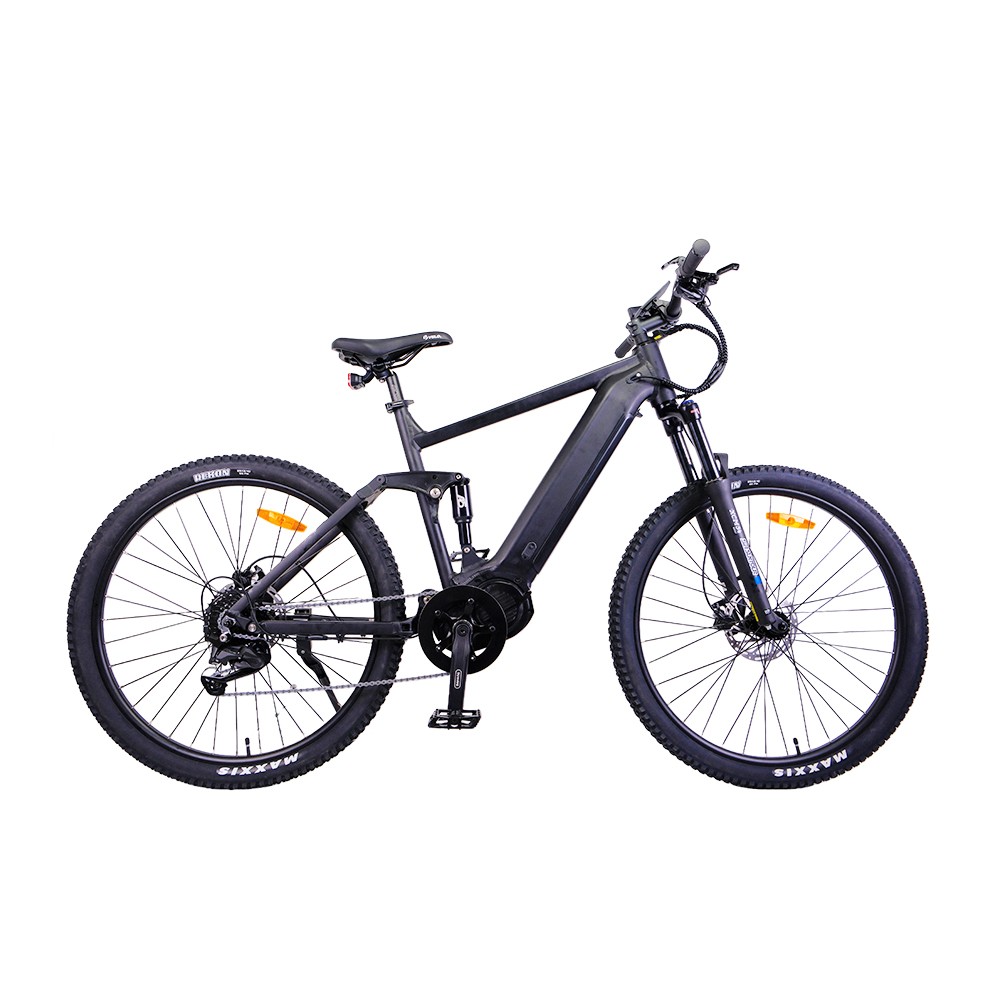


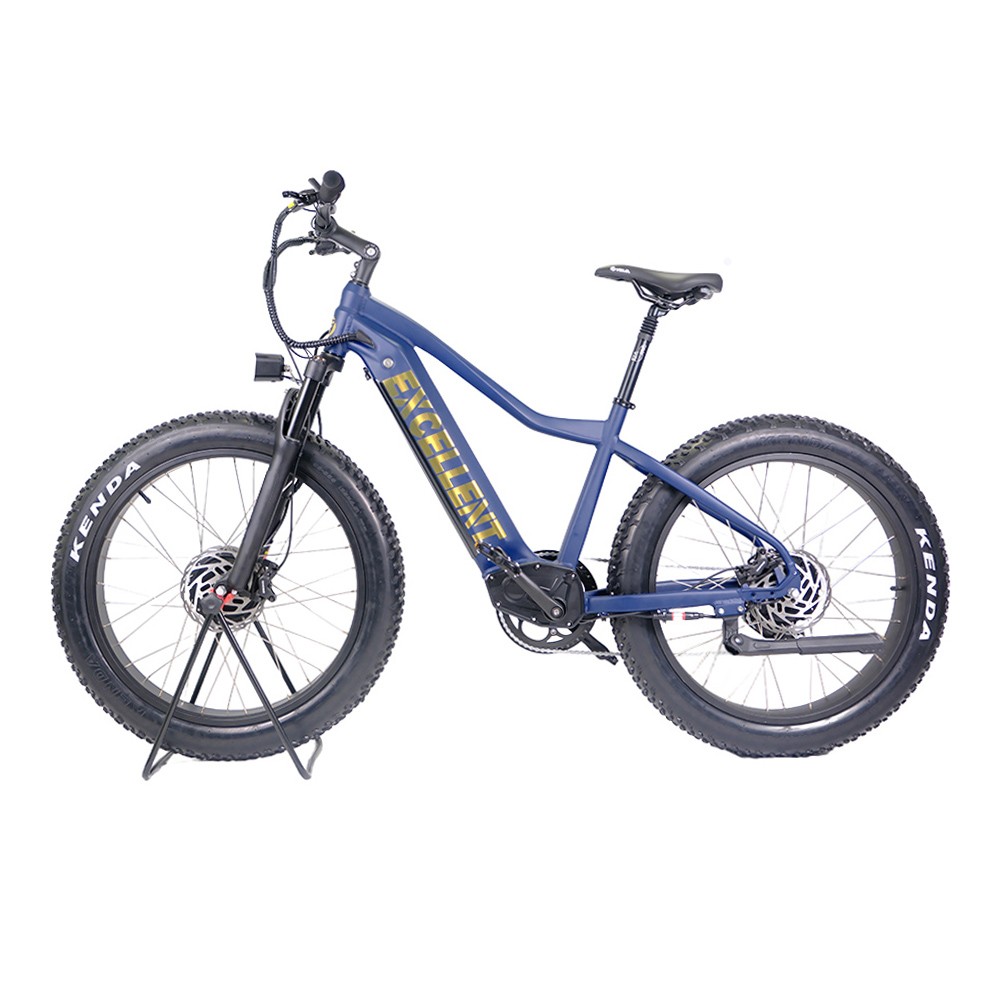


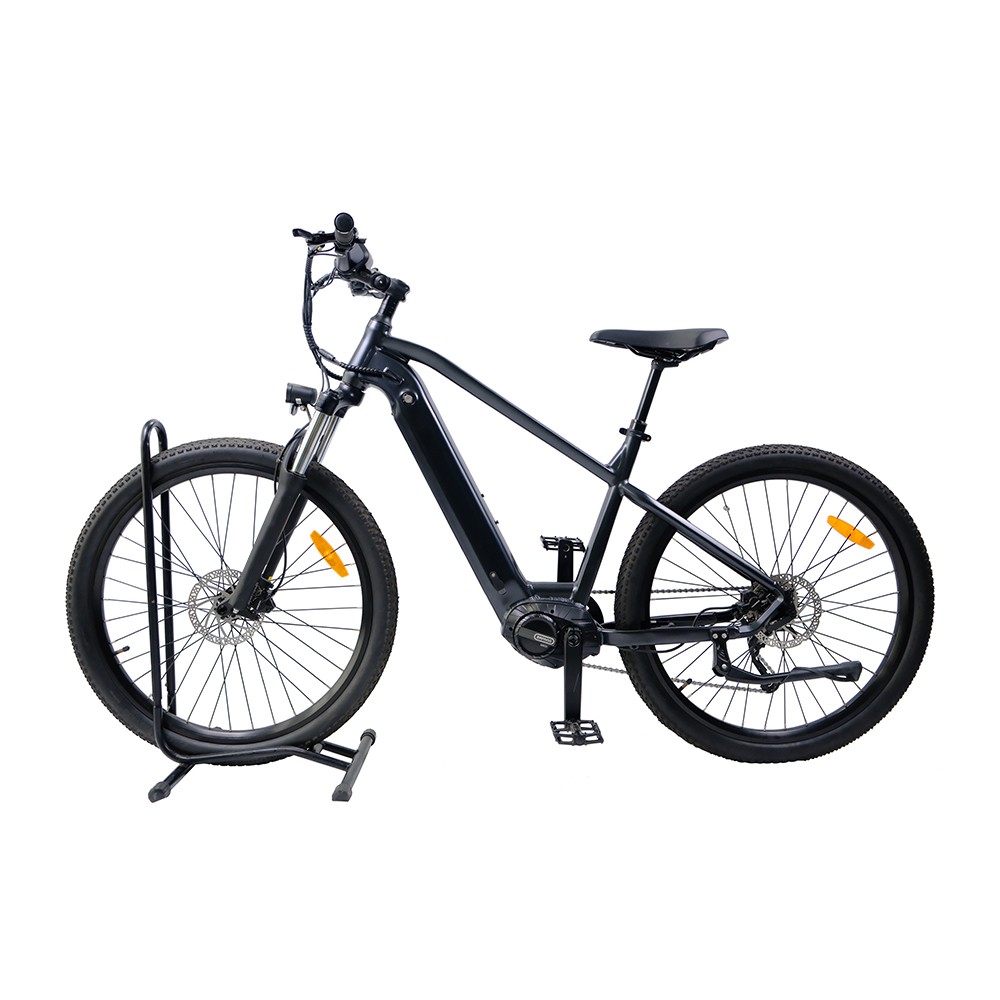
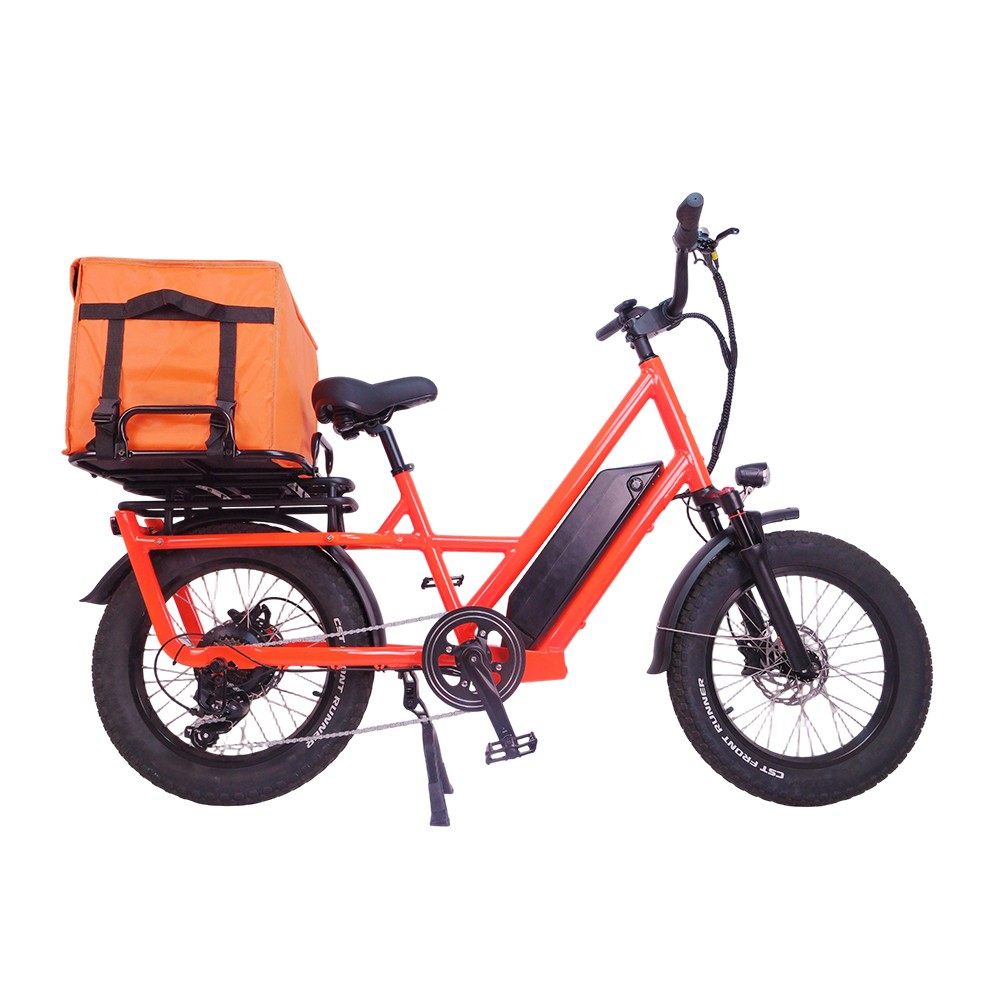
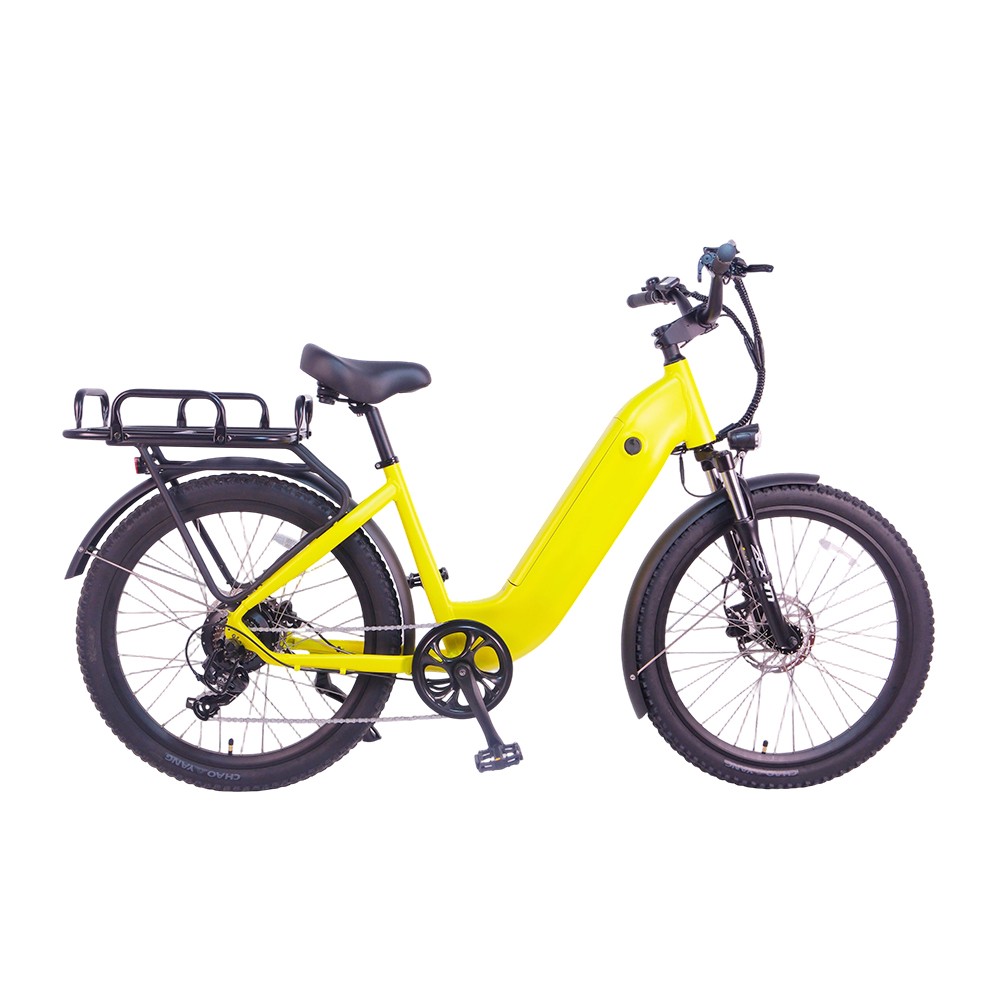
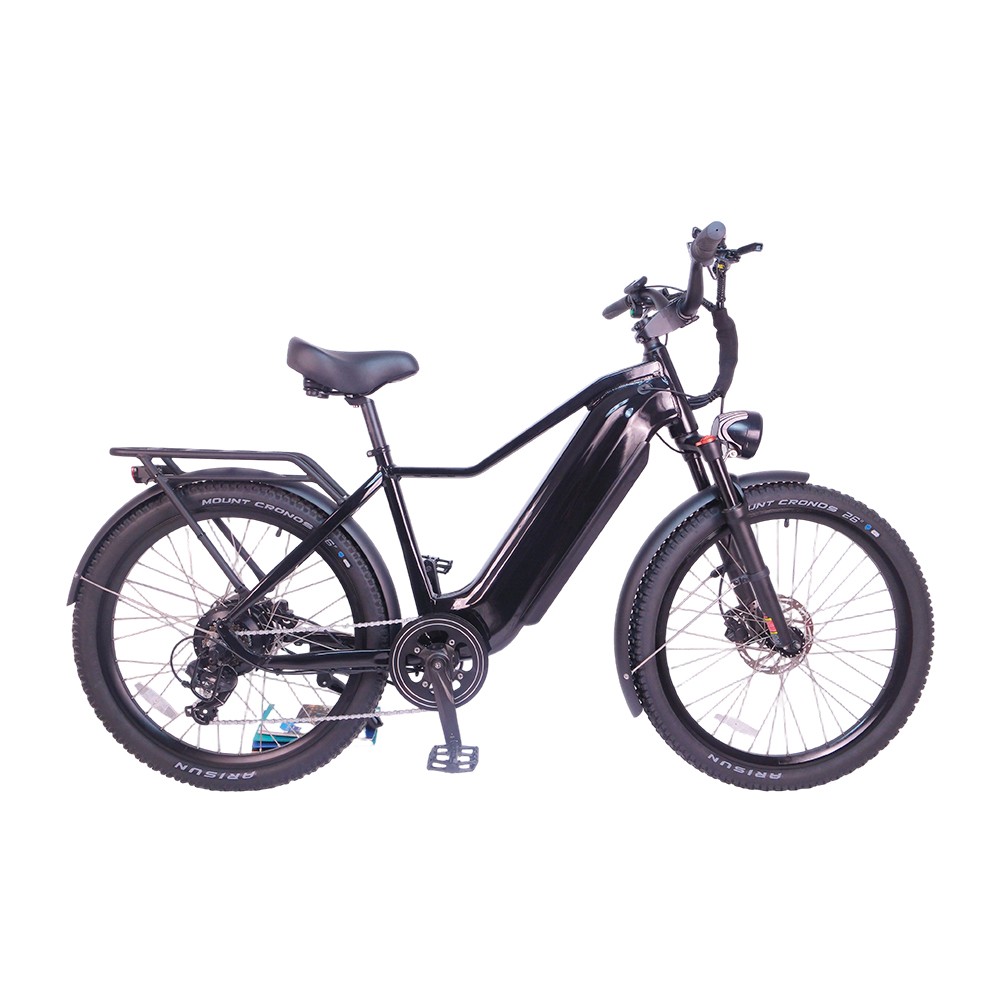
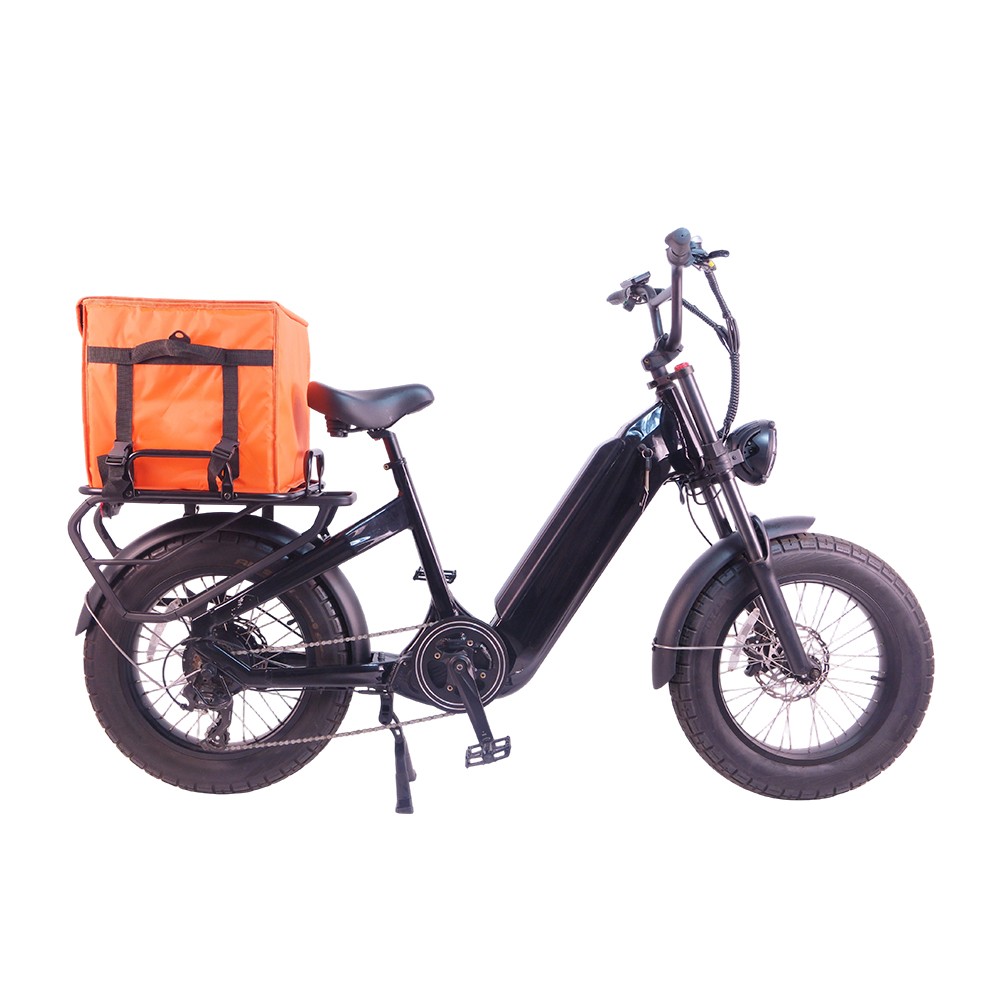
1.Validate first Grow fleet only once existing bikes hit target utilization (~40%+). Standardize to 2–3 durable e-bike models to cut maintenance costs. Track core KPIs: revenue per bike, downtime, theft loss, LTV:CAC.
2.Build operational infrastructure Deploy GPS telematics + smart locks for fleet tracking. Secure US local permits, micromobility commercial insurance, and standardized rental liability contracts. Set up centralized maintenance & battery rotation.
3.Grow revenue streams
· B2C: hourly/daily rentals + monthly subscriptions
· High priorityB2B: delivery riders, hotels, corporates, universities Add upsells: spare batteries, racks, accessories; use dynamic pricing.
4.Low-cost expansion Pilot new zones with 5–15 bikes for 90 days before investing heavily. Use hub-and-spoke or asset-light model via local bike shop partners to avoid costly extra warehouses.
5.Optimize capital Negotiate bulk bike pricing; consider fleet leasing to reduce upfront costs. Sell ageing bikes to fund new fleet purchases.
6.Avoid key risks Don’t overexpand prematurely; comply with city micromobility rules; diversify income to offset seasonal slumps.