



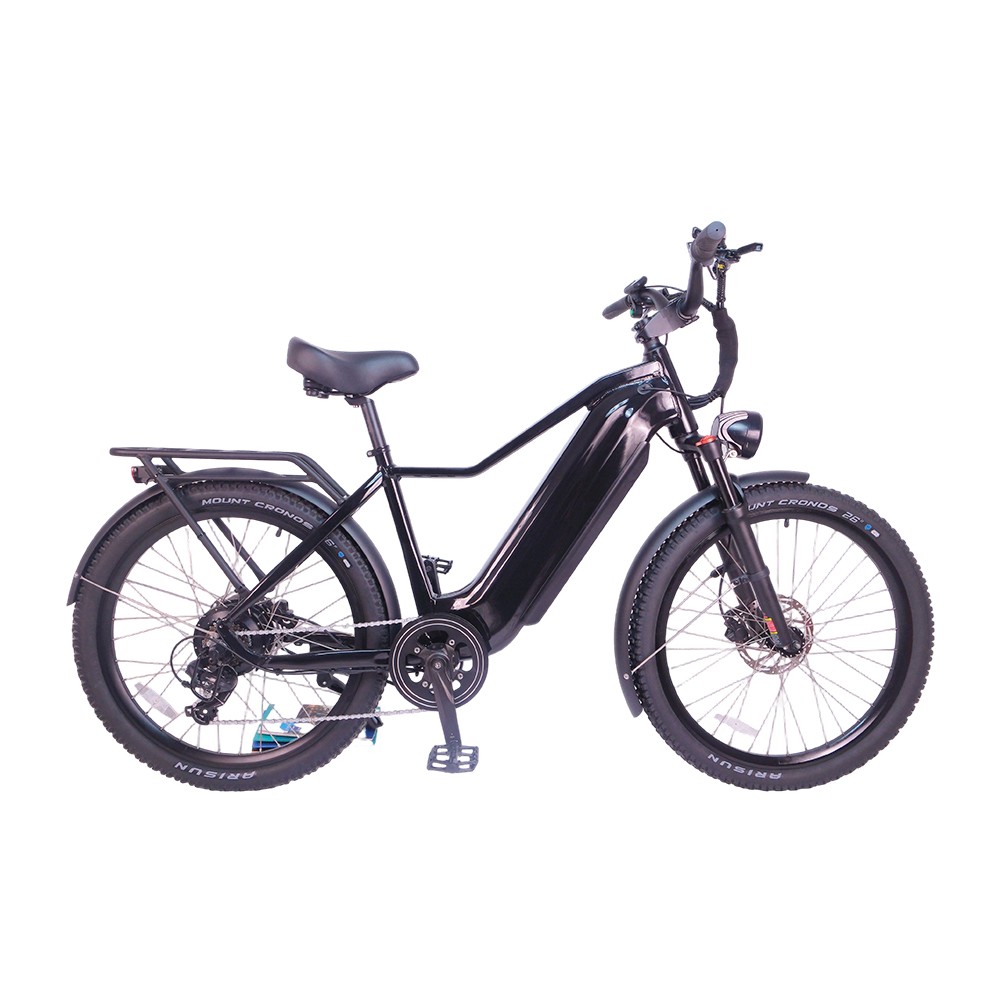
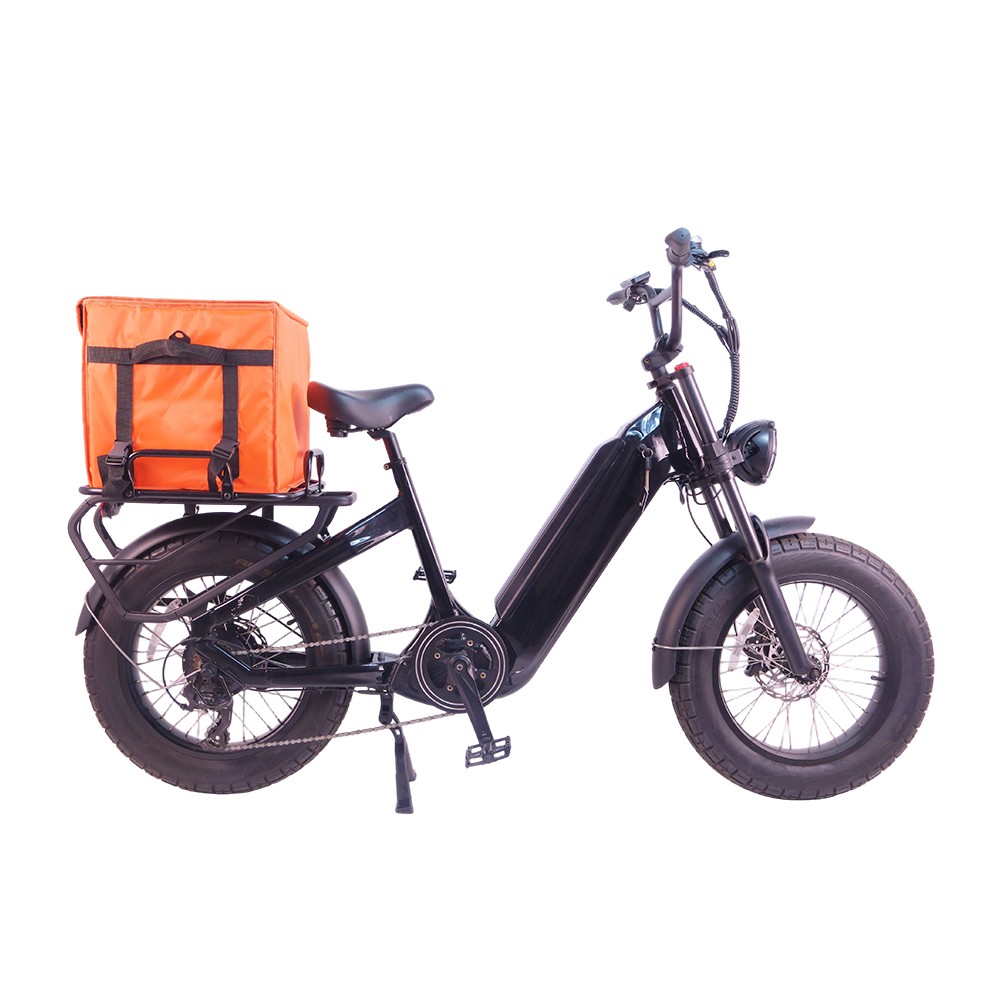
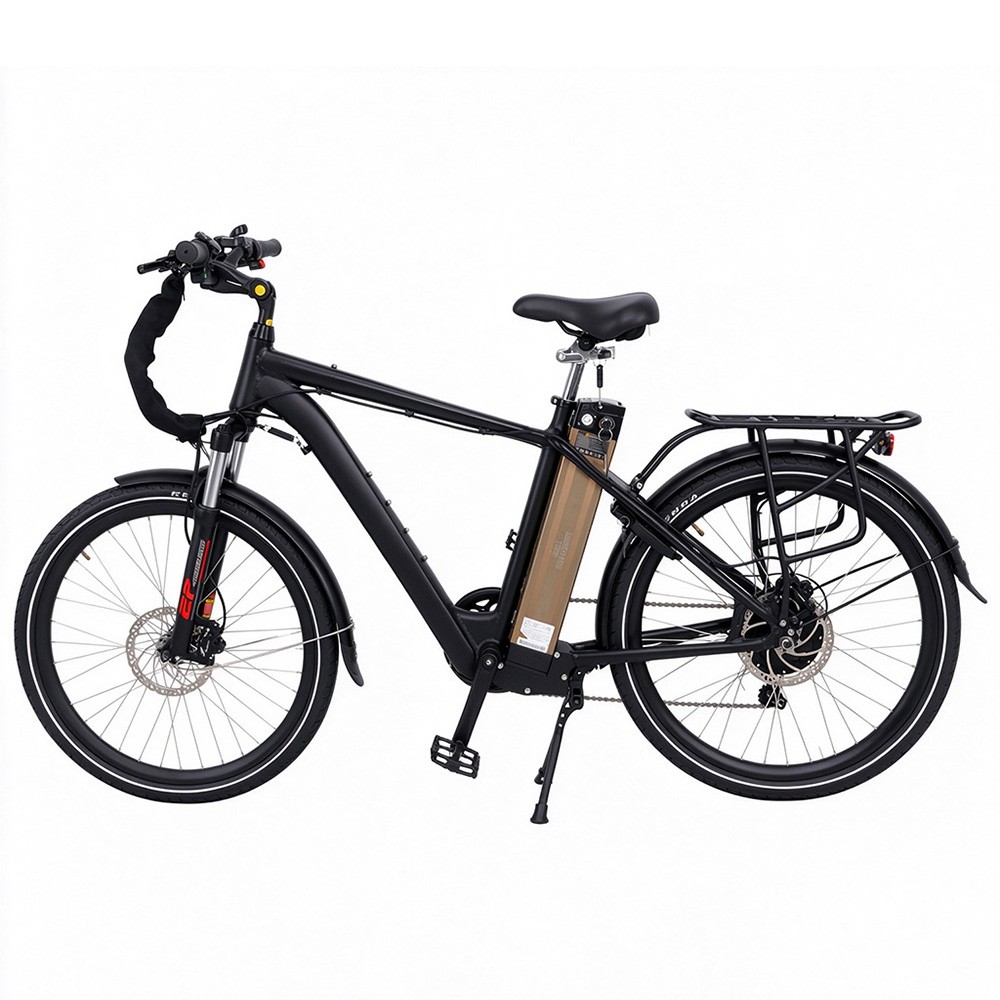
API integration enables different software systems to exchange real-time data automatically, without manual data entry. For e-bike and delivery fleet operators, APIs connect telematics, fleet management, booking, billing, client platforms and back-office tools, bringing key operational and commercial benefits.
1. Real-time vehicle monitoring and telematics data access
· Pull live data from on-board bike devices: GPS location, battery state of charge, motor status, fault codes, mileage and theft alerts.
· Fleet managers view vehicle status centrally instead of checking separate hardware vendor portals.
· Trigger automated alerts for low battery, abnormal vibration (possible theft), technical failures or geofence violations.
· Supports fast decision-making for dispatching, recharging and maintenance scheduling.
2. Streamline B2B client integration (critical for delivery-rider leasing)
· Connect fleet systems directly to food-delivery platforms, courier companies and enterprise clients via API.
· Automate vehicle assignment when new riders register, and deactivate access once contracts end.
· Share vehicle availability, downtime records and usage metrics with business customers.
· Remove manual email-and-spreadsheet workflows when onboarding large groups of riders.
3. Automate booking, rental contracts and billing
· APIs link fleet management software with CRM, invoicing and payment systems.
· Generate monthly rental bills automatically based on real usage data (time, mileage, over-use penalties).
· Process deposits, late-fee calculation and contract status updates without manual work.
· Reduce human error, cut administrative labour and speed up cash collection.
4. Optimise fleet utilisation and resource planning
· Combine telemetry data with booking/lease data through APIs to calculate actual vehicle utilisation rate.
· Identify under-utilised bikes for re-deployment to high-demand zones.
· Flag bikes with excessive downtime for repair.
· For swappable-battery fleets: API feeds support battery rotation forecasting and charging-station load management.
5. Predictive maintenance and reduced downtime
· API-delivered fault codes and mileage data feed into maintenance modules.
· Schedule service pro-actively before breakdowns occur, rather than reacting after vehicles stop working.
· Automatically create repair tickets for bikes reporting errors.
· Minimise revenue loss caused by out-of-service delivery bikes and reduce the need for emergency backup units.
6. Support access control and security
· API links enable remote locking/unlocking of smart e-bikes.
· Grant or revoke vehicle access for individual riders according to active-contract status.
· If a bike is stolen, the system can receive GPS alerts and remotely disable the motor.
7. Reporting, analytics and business intelligence
· Aggregate cross-system data: vehicle usage, revenue per unit, damage frequency, churn metrics.
· Feed structured data into dashboards or third-party BI tools for KPI tracking.
· Generate standard reports for internal management, investors or B2B clients automatically.
8. Scalability for growing fleets
· Manual processes break down as fleet size grows from dozens to hundreds or thousands of units.
· API-driven architecture allows operators to add new vehicles, new cities and new B2B clients without proportional growth in back-office staff.
· Operators can connect third-party services (insurance providers, payment gateways, telematics hardware suppliers) without replacing their core platform.
9. Key risks without API integration
· Heavy manual data entry, high human error and slow workflows.
· Siloed information: telematics, contracts and billing sit in separate disconnected systems.
· Delayed fault detection, higher vehicle downtime and poorer rider experience.
· Limited ability to scale B2B delivery-fleet business for large enterprise customers.