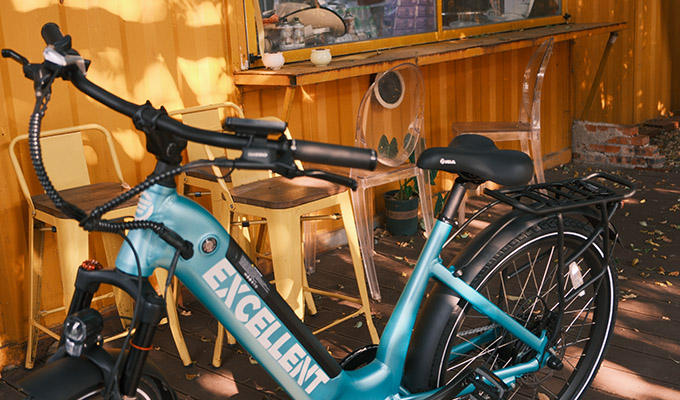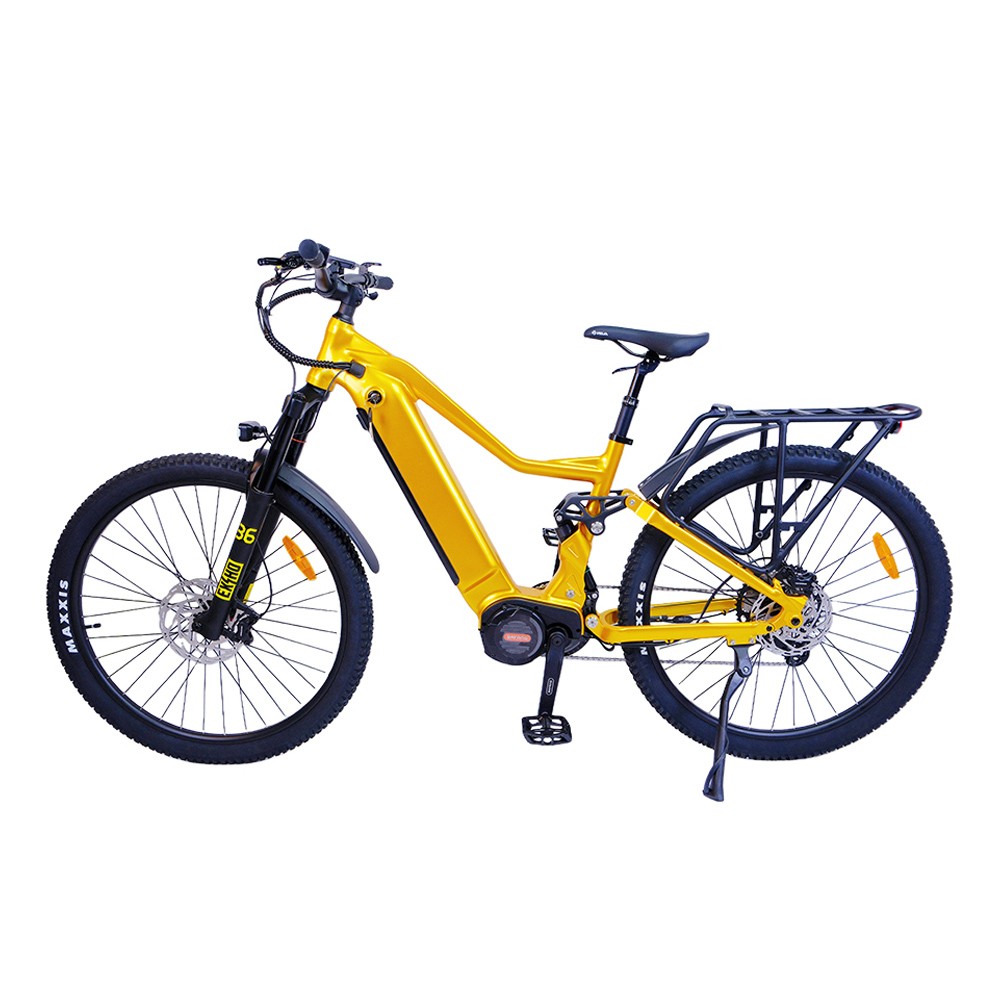
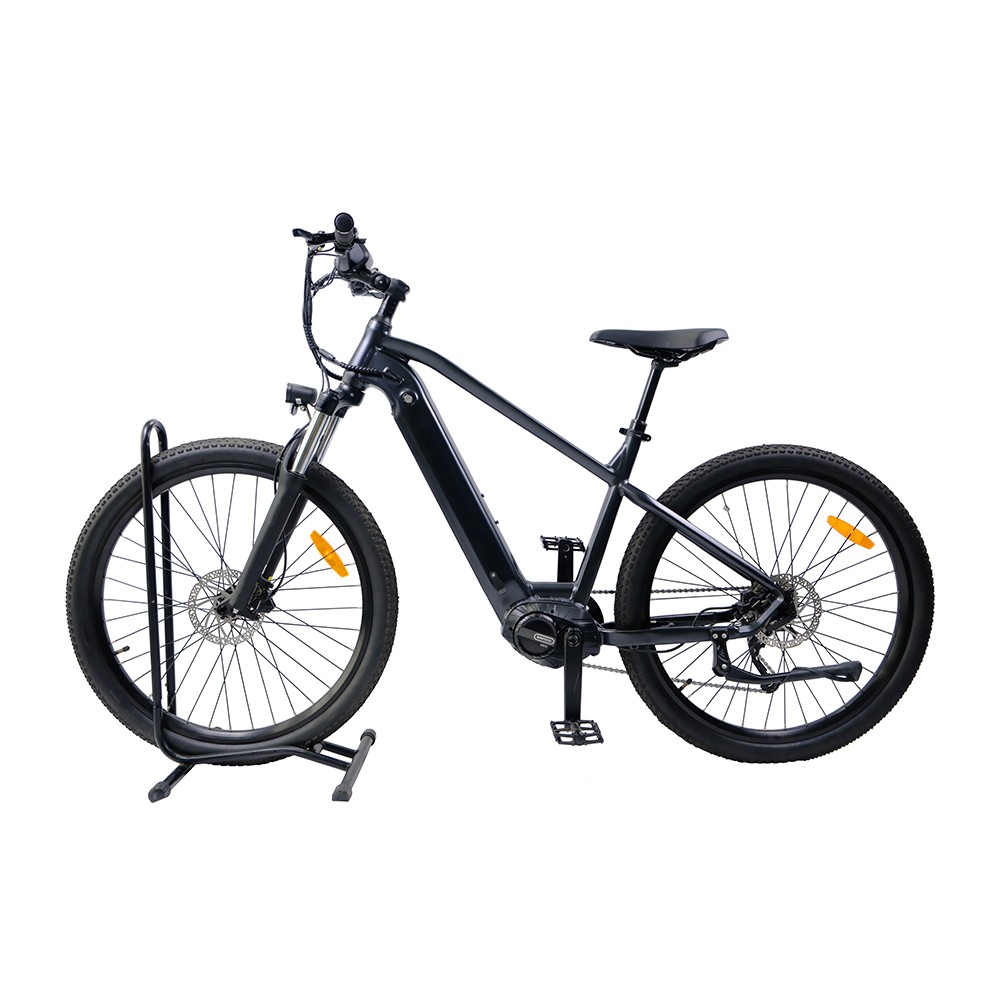
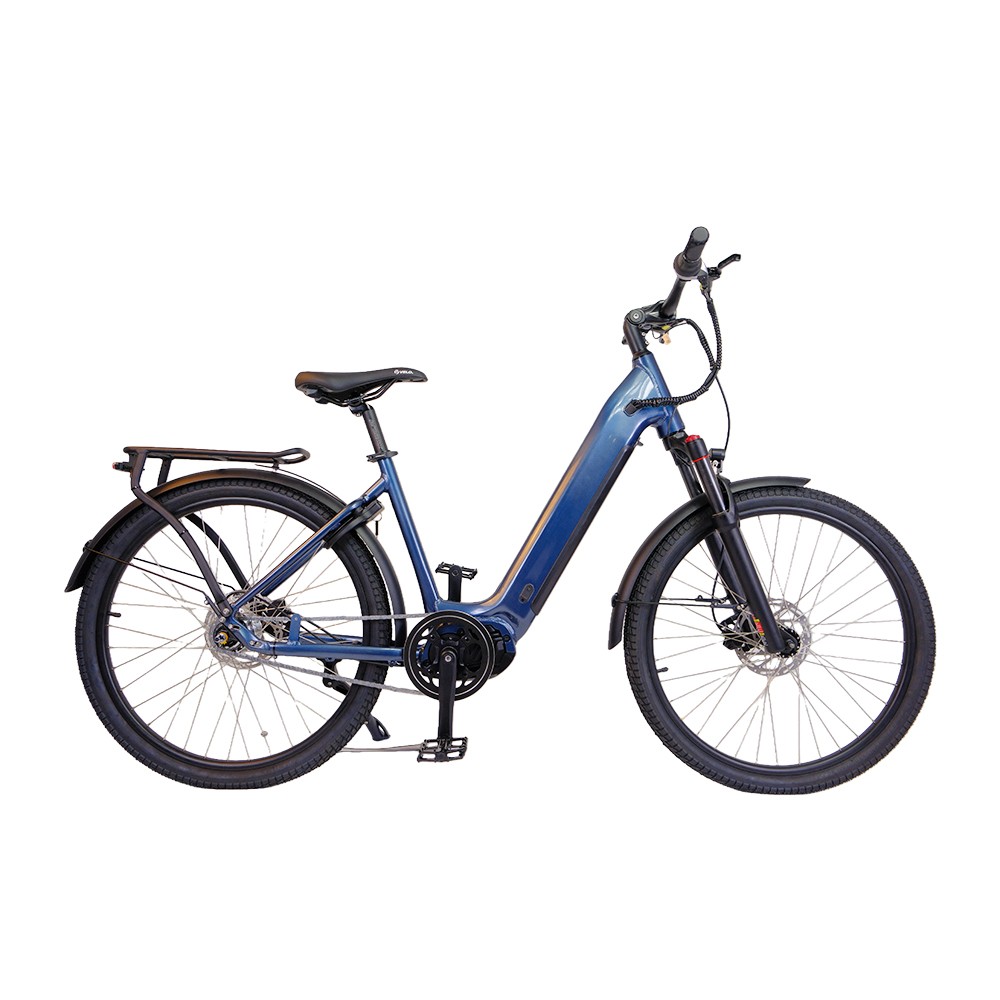
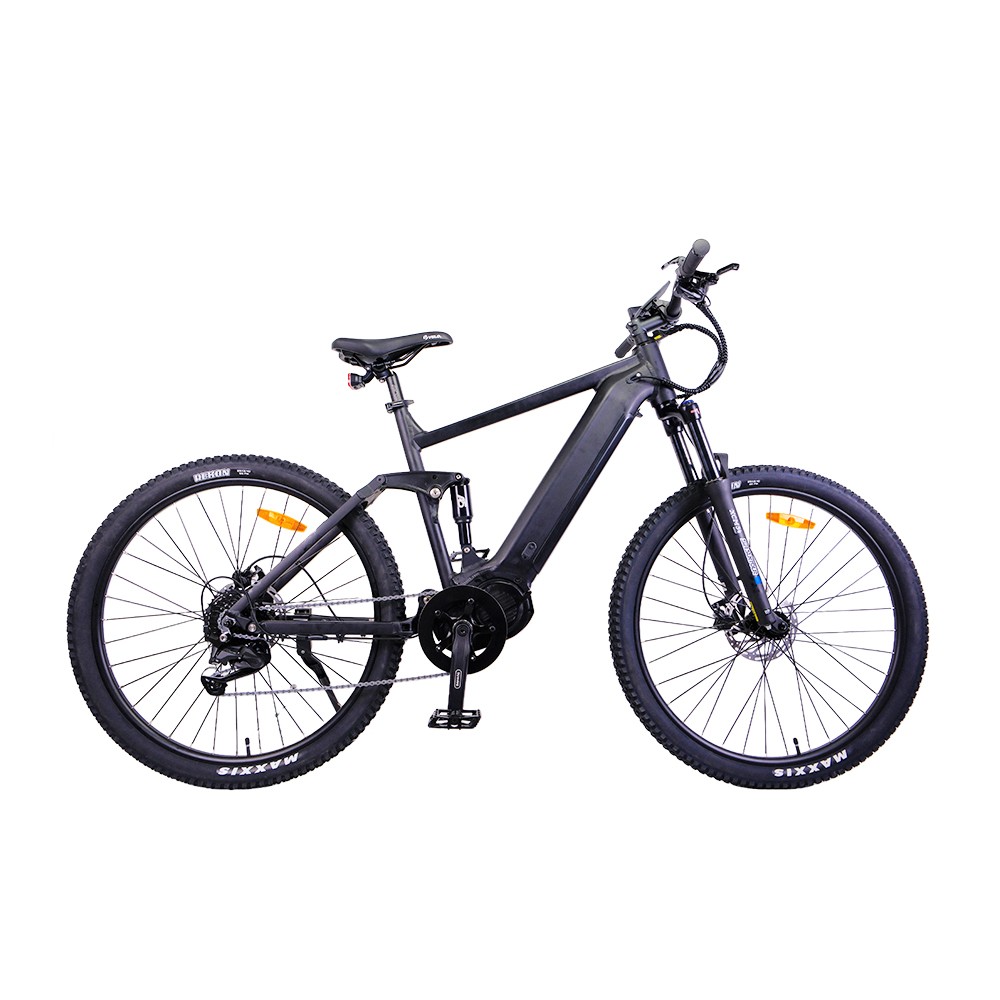


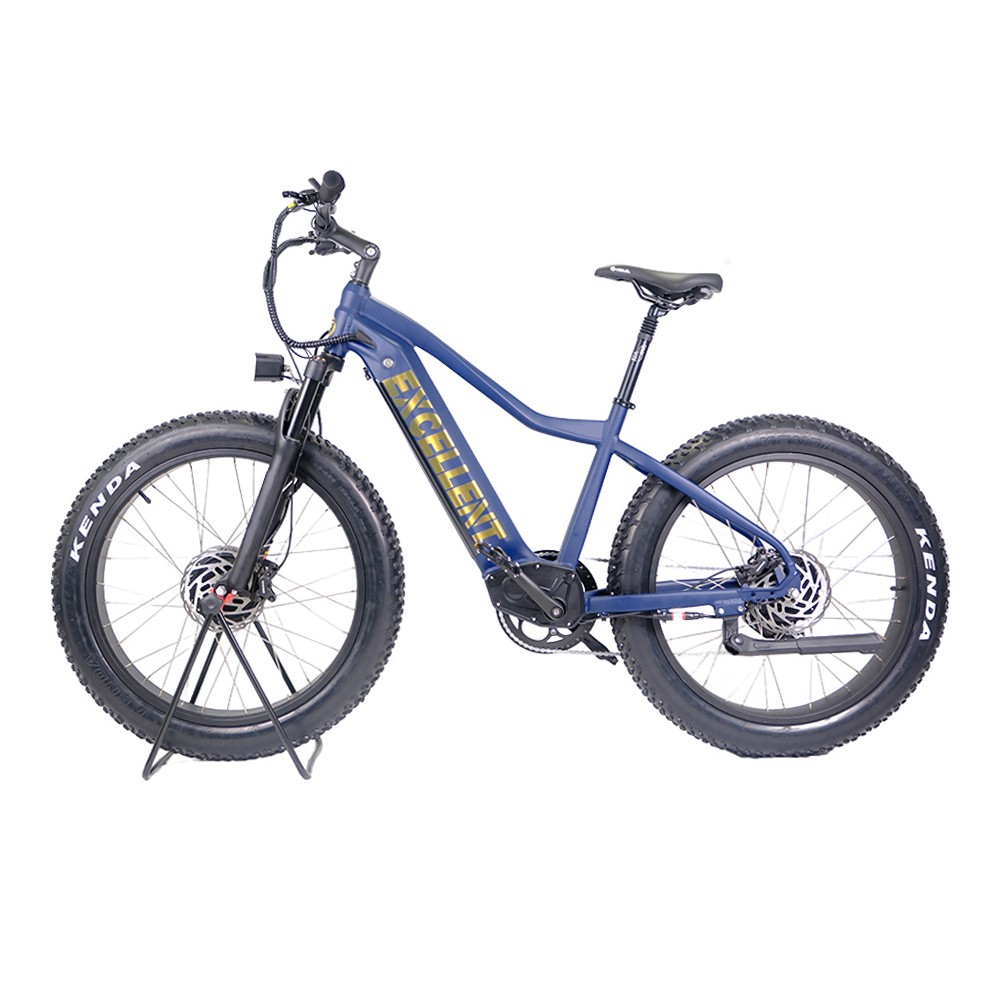


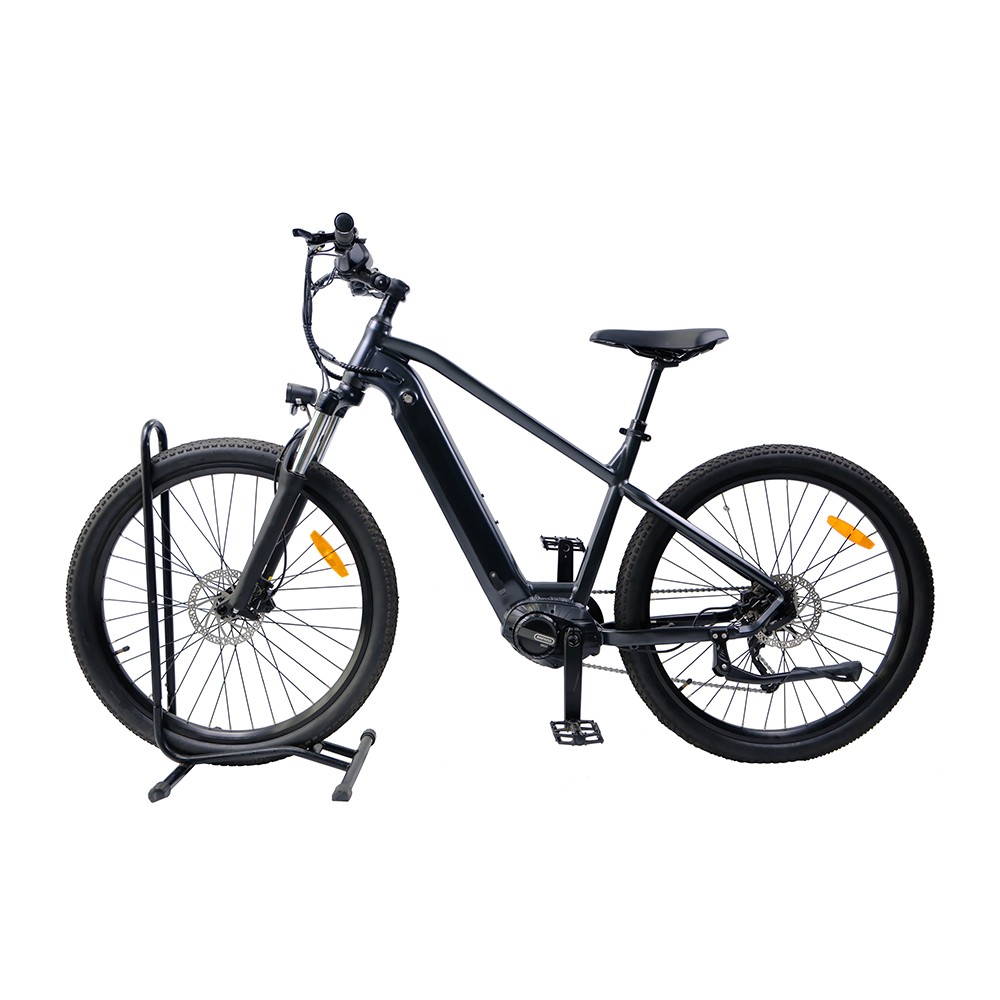
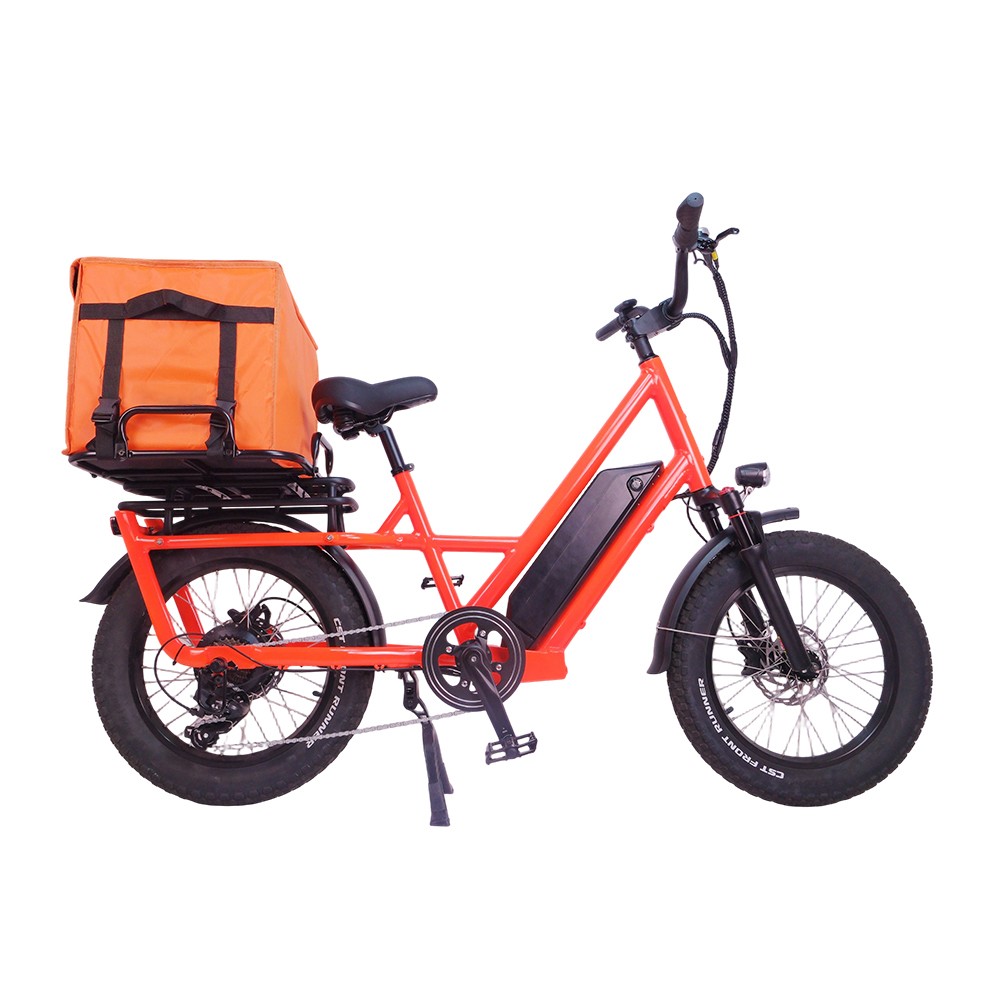
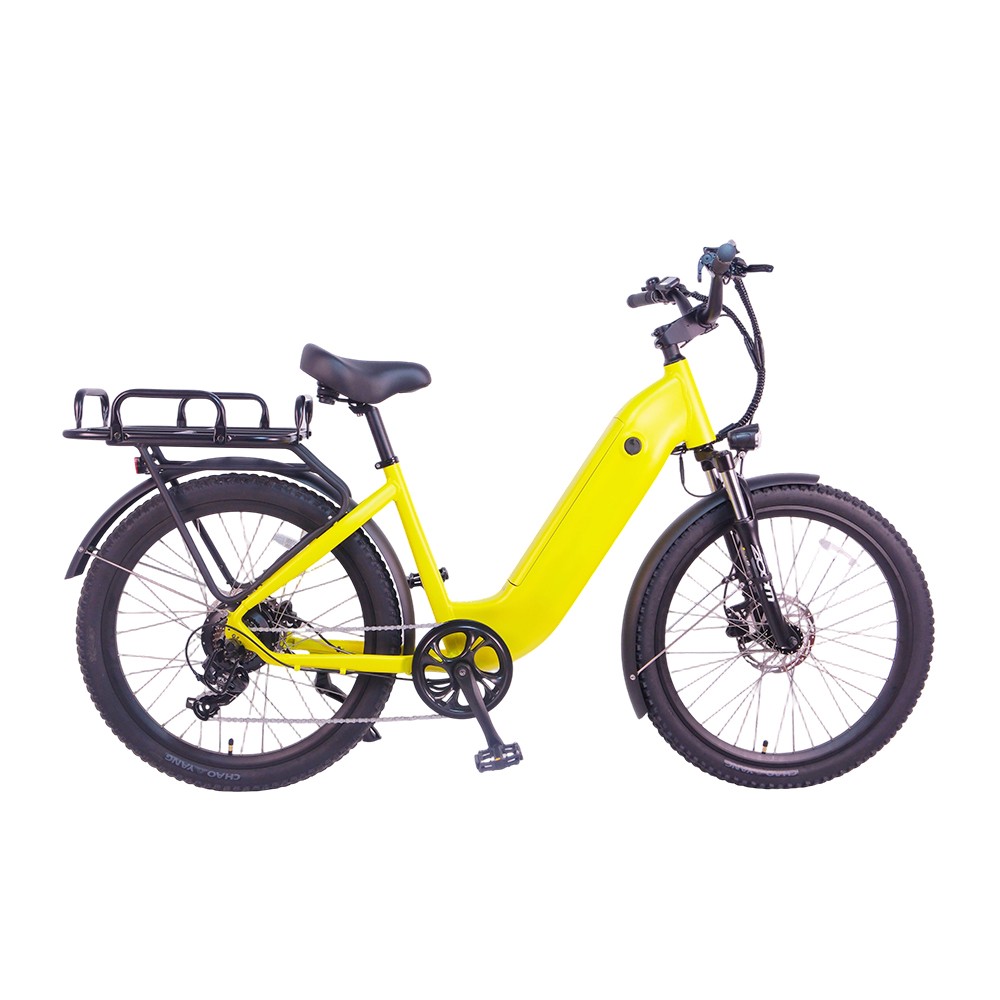
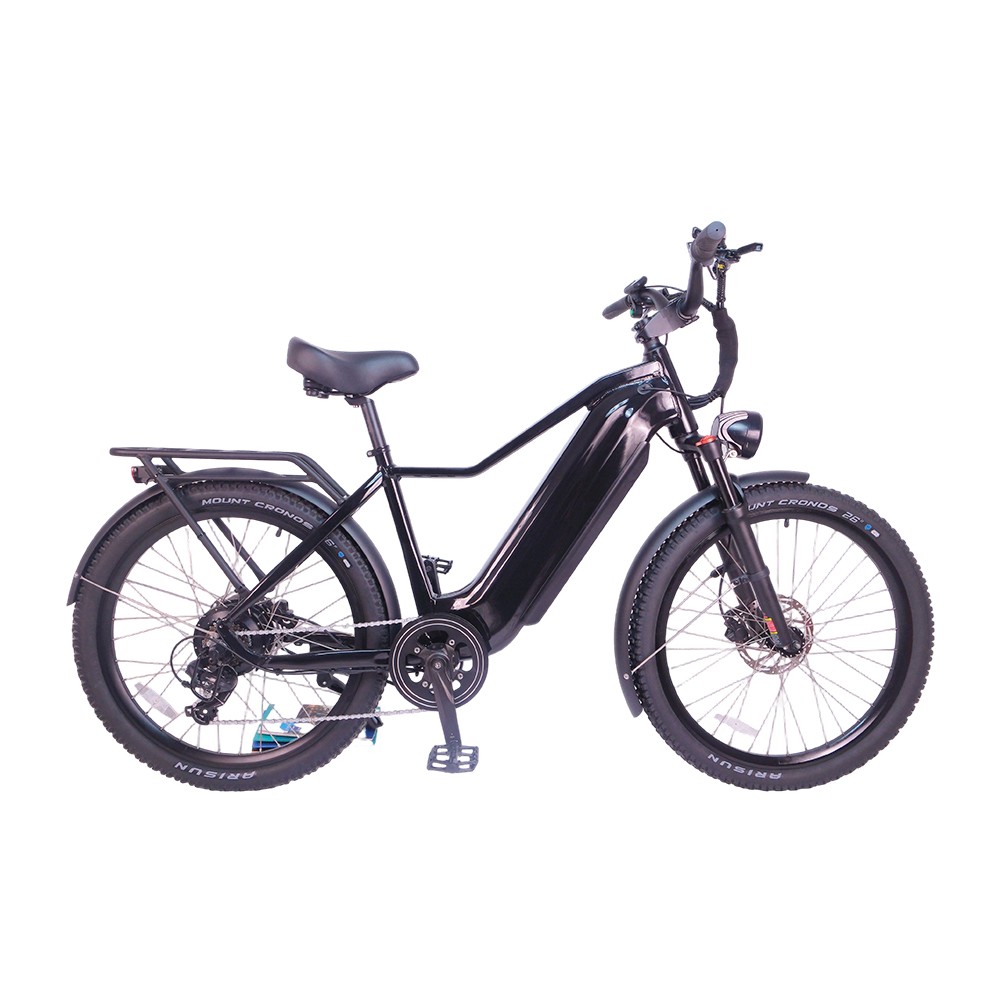
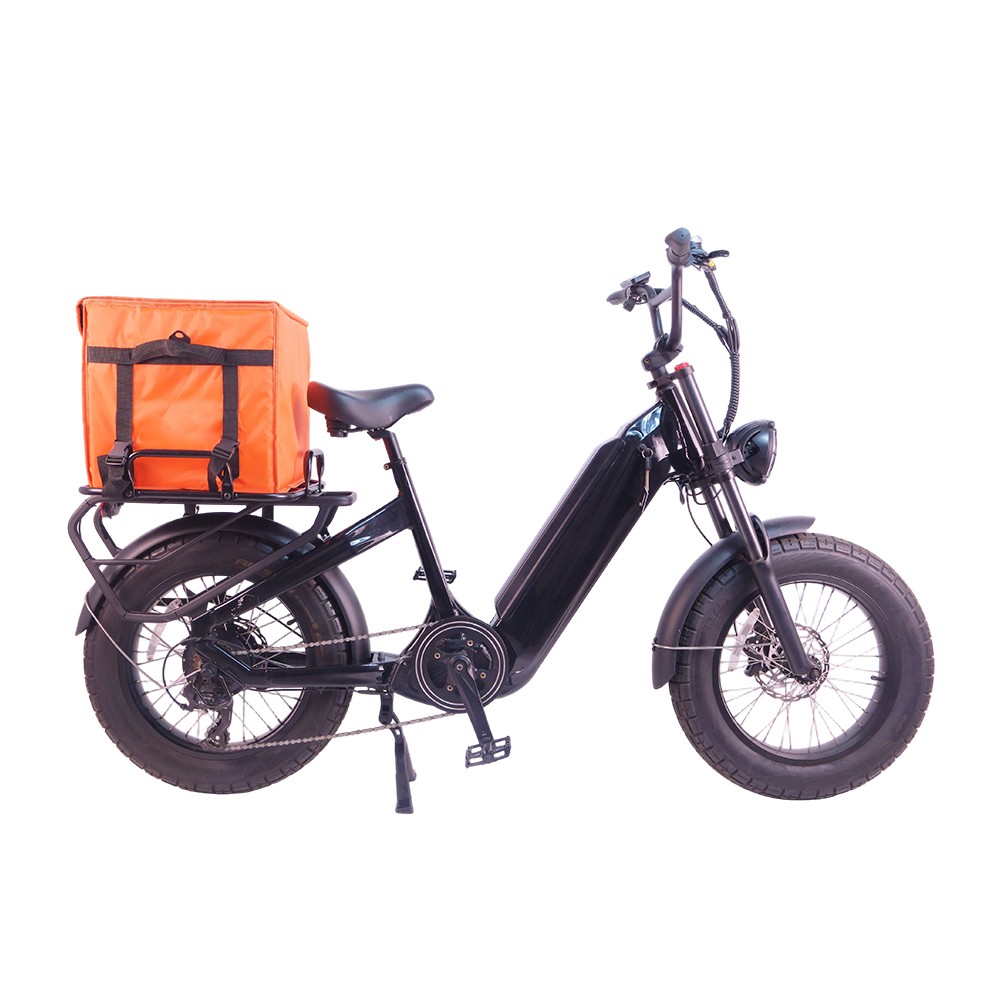
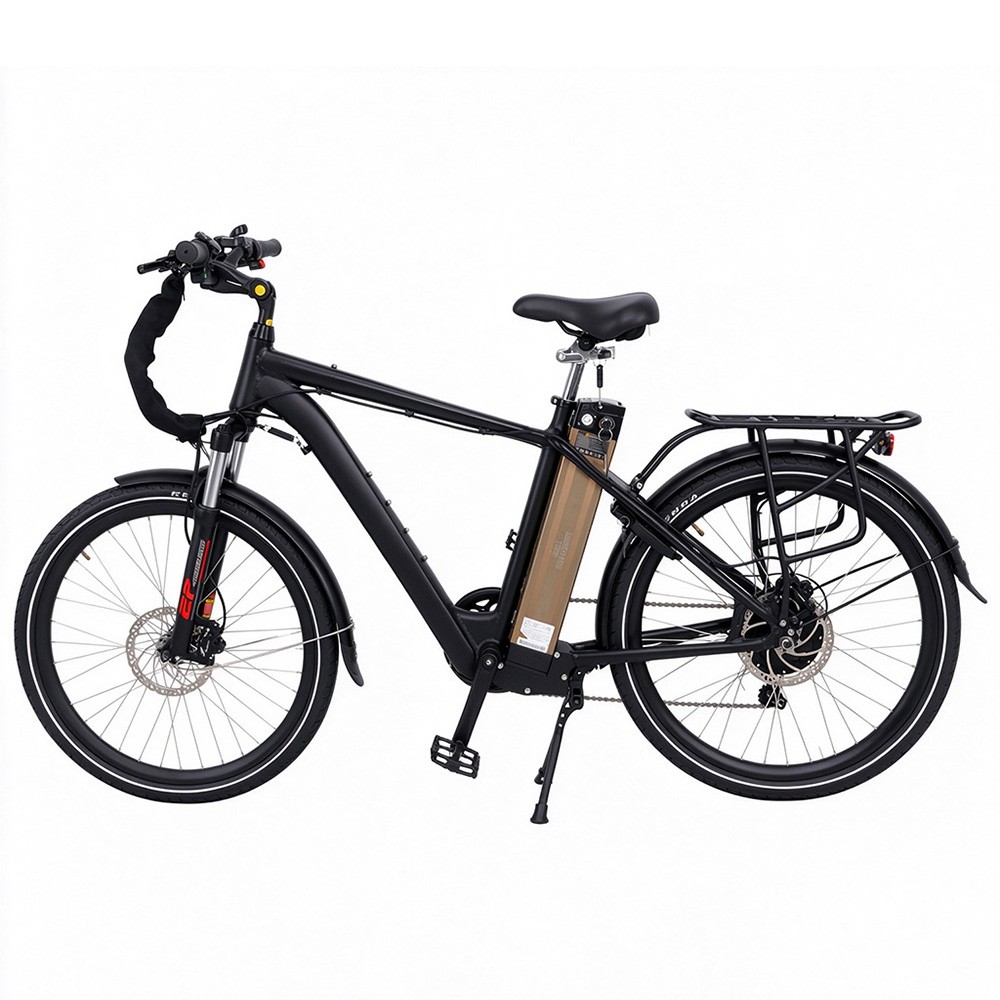
E-cargo and delivery e-bikes are a key solution for sustainable urban logistics. They cut emissions, ease traffic pressure and reduce the environmental footprint of last-mile deliveries.
1. Direct reduction of greenhouse-gas emissions
· Unlike diesel vans and petrol scooters,25 km/h pedelec e-bikes produce zero tailpipe emissions during operation.
· Even when accounting for grid electricity generation, their lifecycle carbon footprint is far lower than motorised delivery vehicles.
· Replace high-emission light commercial vans for small-parcel and food-delivery tasks, lowering city-level CO₂ output from last-mile logistics.
2. Lower local air and noise pollution
· No exhaust fumes: reduce urban pollutants such as NOₓ and particulate matter, improving inner-city air quality.
· E-bikes operate very quietly compared with engines. Less traffic noise enhances quality of life in dense residential zones.
· Well suited for city centres, pedestrian areas and low-emission zones where combustion vehicles face restrictions.
3. Optimise urban land and traffic resources
· E-bikes have a small physical footprint. They require much less road space and parking space than vans or motor scooters.
· Alleviate urban congestion: more deliveries completed by e-bikes mean fewer large vehicles circulating in city streets.
· Reduce competition for loading bays; fewer delivery vans double-parking cuts secondary congestion and associated idling emissions.
4. Energy-efficiency advantage
· E-bikes have extremely low energy consumption per delivery kilometre. Energy use per parcel is a fraction of that of vans.
· When paired with renewable electricity (solar, wind), operational carbon emissions can approach near-zero.
· Swappable-battery fleets allow smart off-peak charging, further optimising energy use.
5. Support circular-economy goals
· Light-weight cargo e-bikes generally consume fewer raw materials in manufacturing compared with vans.
· Modular designs enable component repair, battery refurbishment and part replacement, extending total service life.
· Many rental-fleet operators reuse vehicles across multiple users, maximising asset utilisation and delaying new-vehicle production demand.
6. Enable compliance with urban sustainable-logistics policies
· Help logistics firms meet city regulations: zero-emission-zone access, corporate carbon-reduction targets and ESG reporting requirements.
· Support city objectives such as low-carbon mobility, liveable streets and reduction of freight-vehicle volumes.
· Businesses can demonstrate measurable sustainability KPIs for customers, investors and public-sector tender requirements.
7. Indirect sustainability benefits
· Lower accident risk compared with fast-moving motor freight vehicles, reducing the environmental and resource cost of traffic-accident repairs.
· Decentralised micro-hubs work efficiently with e-bike fleets. Small urban micro-hubs cut the need for large out-of-town depots and long van journeys into city centres.
Key limitations
· Sustainability gains depend on electricity sources; fossil-fuel-generated power weakens environmental benefits.
· Battery production creates embedded carbon; proper battery reuse and recycling systems are critical.
Heavy over-loading increases wear-and-tear, shortening vehicle life and partially offsetting sustainability advantages.