



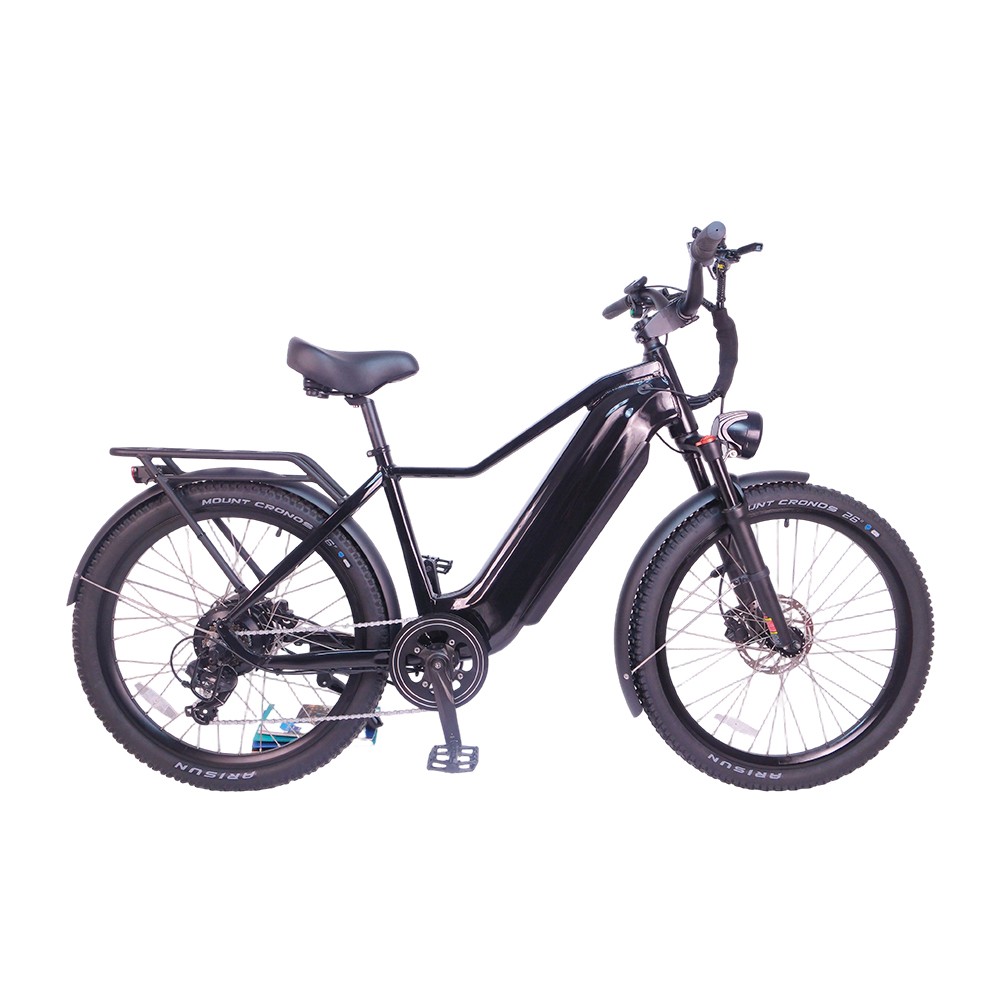
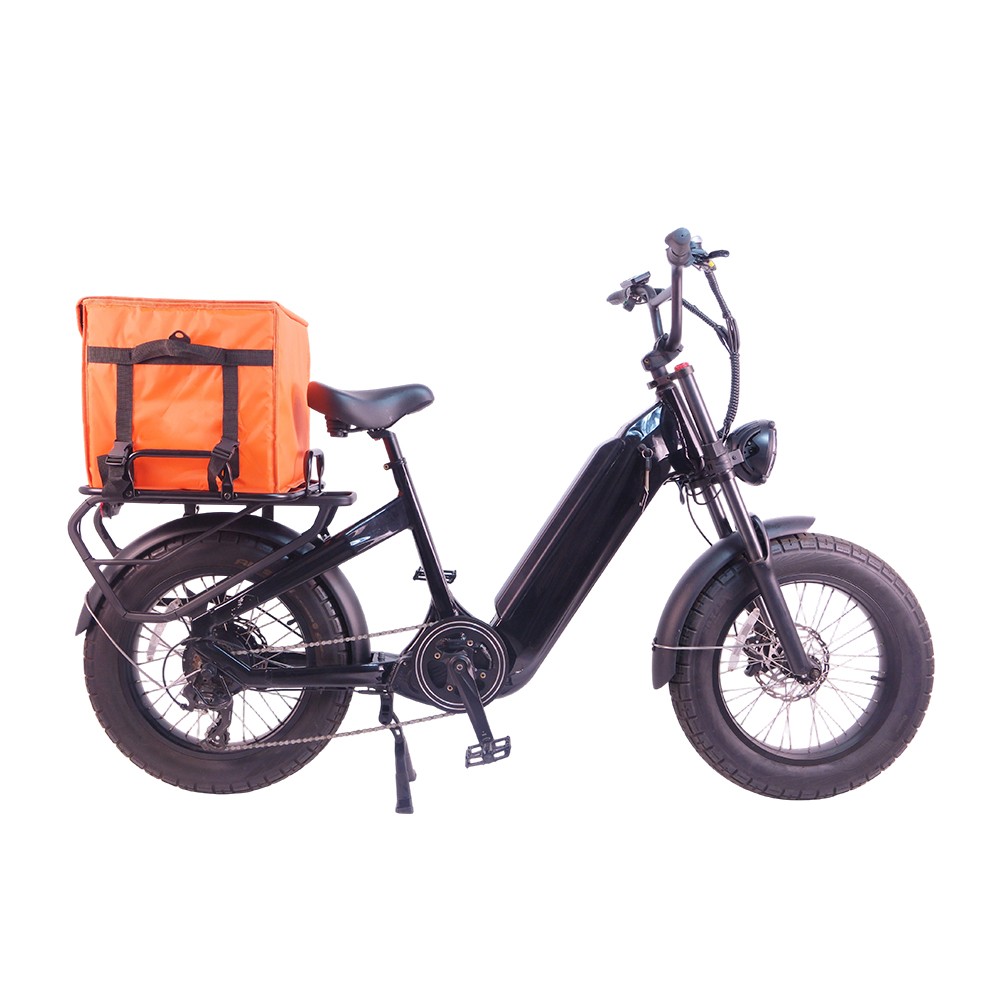
1. Lower Operating Costs
· E-bikes consume electricity only, with far cheaper energy expenses compared to fuel-powered motorcycles and cars.
· Fewer mechanical parts lead to minimal maintenance fees; no expensive engine upkeep or oil changes.
· No vehicle registration tax, high insurance premiums or parking charges for most regions.
2. Higher Delivery Efficiency
· E-bikes avoid traffic jams easily and can pass through narrow streets, lanes and pedestrian zones inaccessible to motor vehicles.
· Electric assistance reduces physical fatigue, allowing riders to travel longer distances and complete more orders per shift.
· Quick start and flexible routing shorten total delivery time, lowering late-delivery risks.
3. Good Environmental Performance
· Produce zero tailpipe emissions during operation, cutting air pollution and carbon footprints.
· Help delivery platforms meet environmental policies and build eco-friendly brand images.
4. Flexible & Convenient Usage
· Simple operation with low learning thresholds for new couriers.
· Compact size makes it easy to park near restaurants and customer addresses.
· Most e-bikes support removable batteries, enabling continuous work by swapping drained batteries.
5. Improved Courier Working Experience
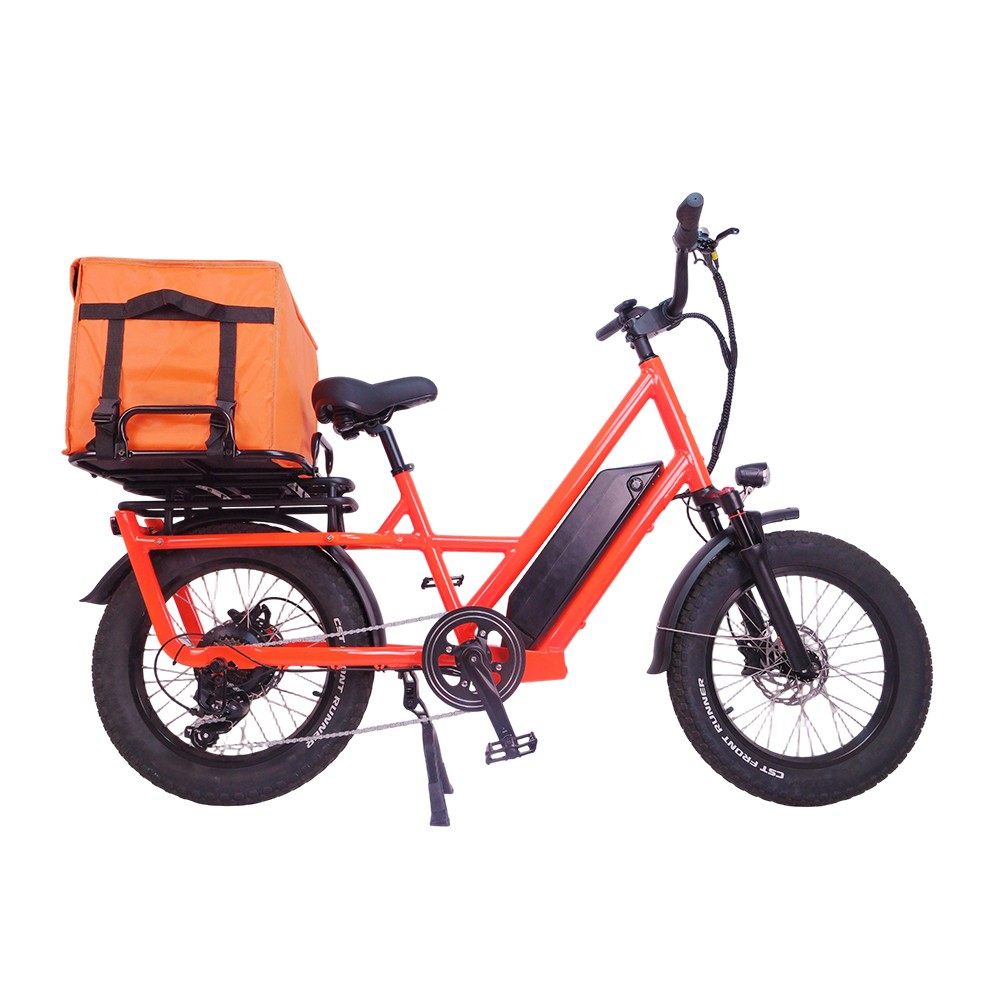
· Power-assisted riding eases physical strain, especially when carrying heavy food bags or climbing slopes.
· Less vibration and noise than gasoline motorcycles, creating a more comfortable working environment.
6. Policy Advantages in Many Cities
· Numerous cities impose restrictions on fuel motorbikes, while properly licensed e-bikes are allowed on urban roads.
· Many local governments encourage low-carbon electric two-wheelers for last-mile logistics.
7. Fast Return on Investment
· The initial purchase or rental cost of an e-bike is much lower than delivery scooters. Couriers or fleet operators can recover costs rapidly through increased daily order volume and reduced running costs.