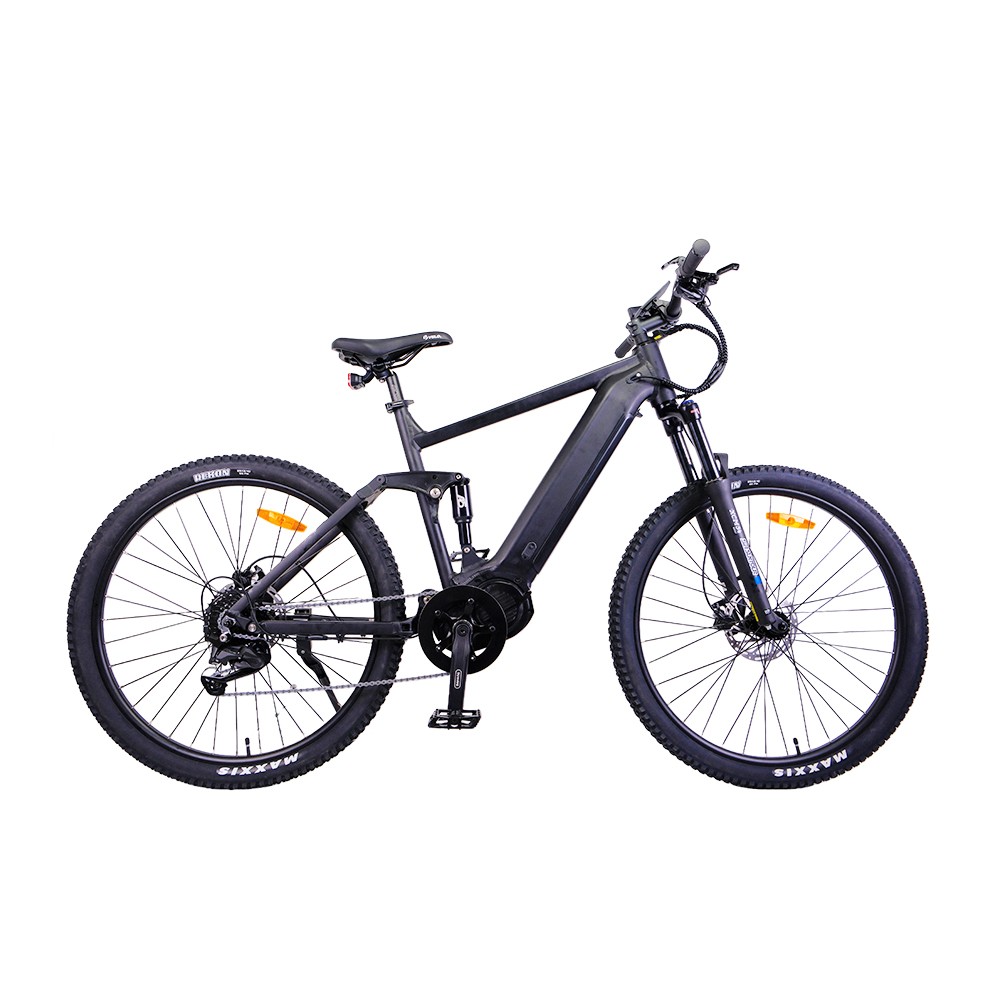


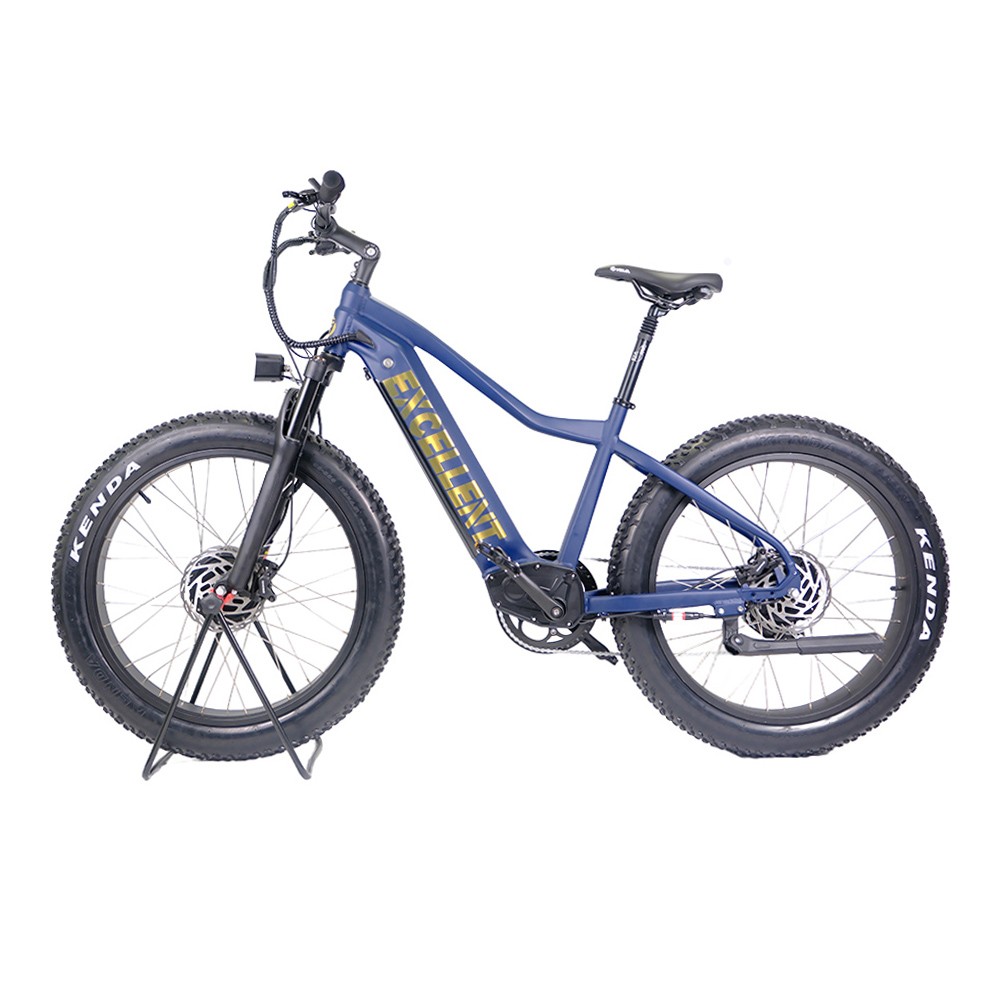


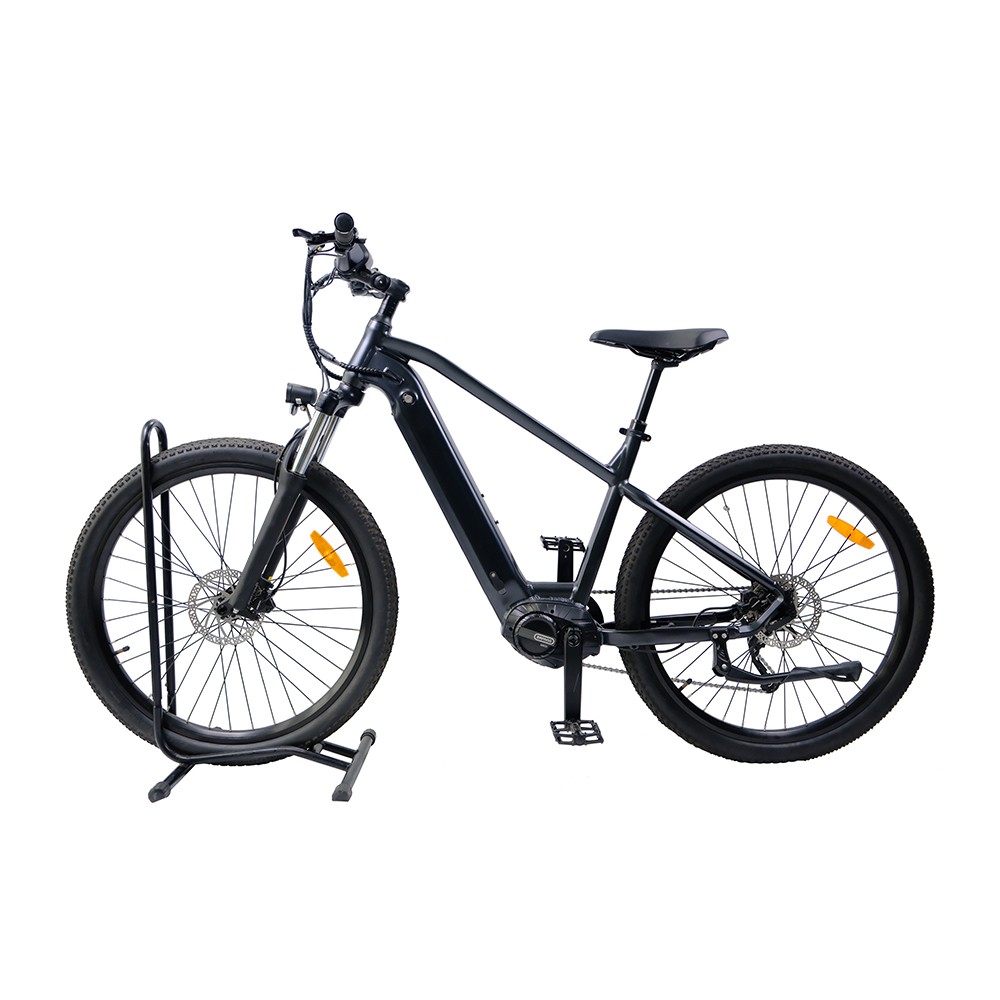
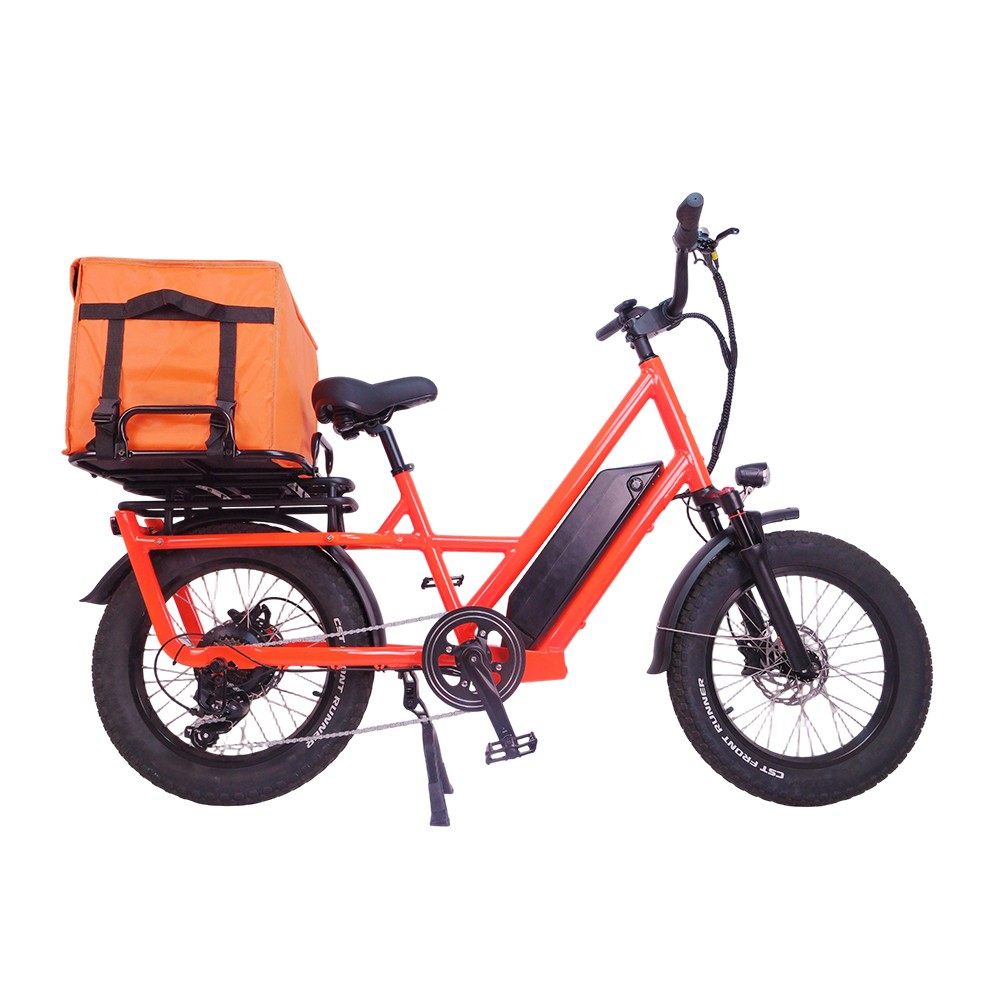
Definitions
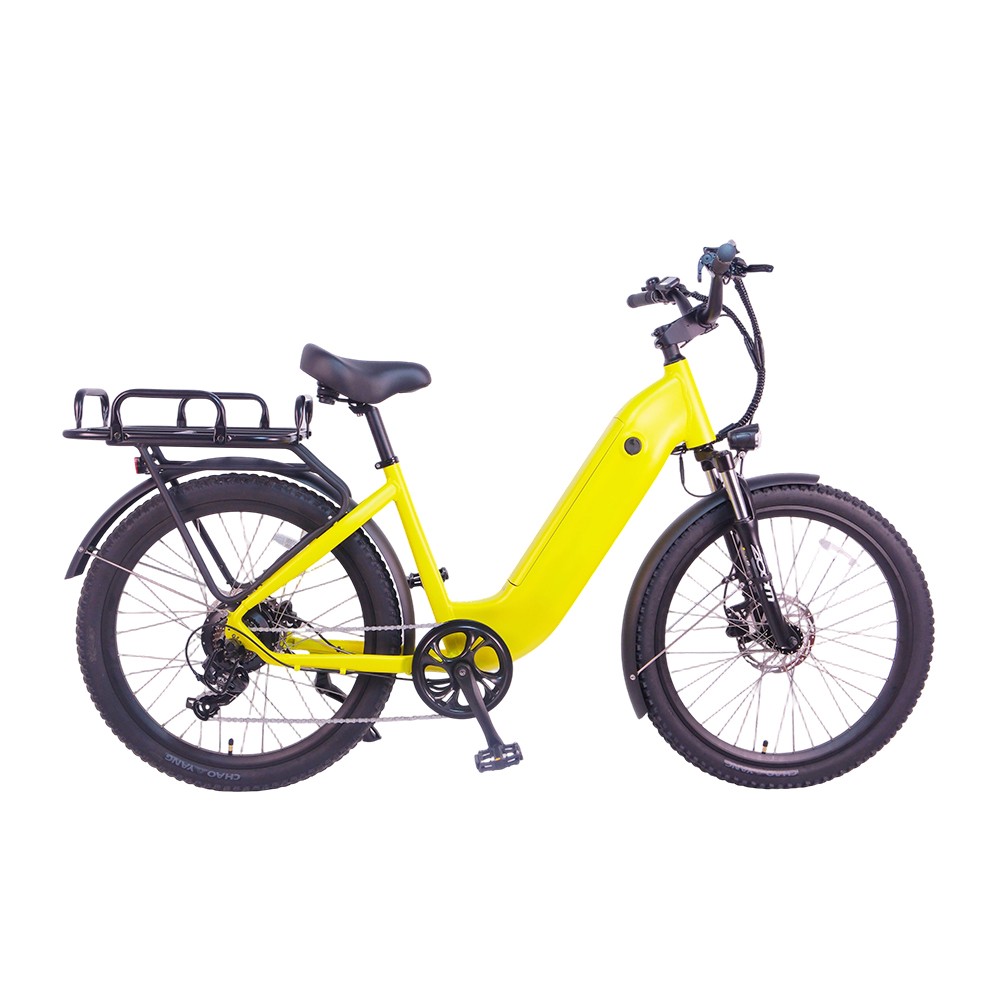
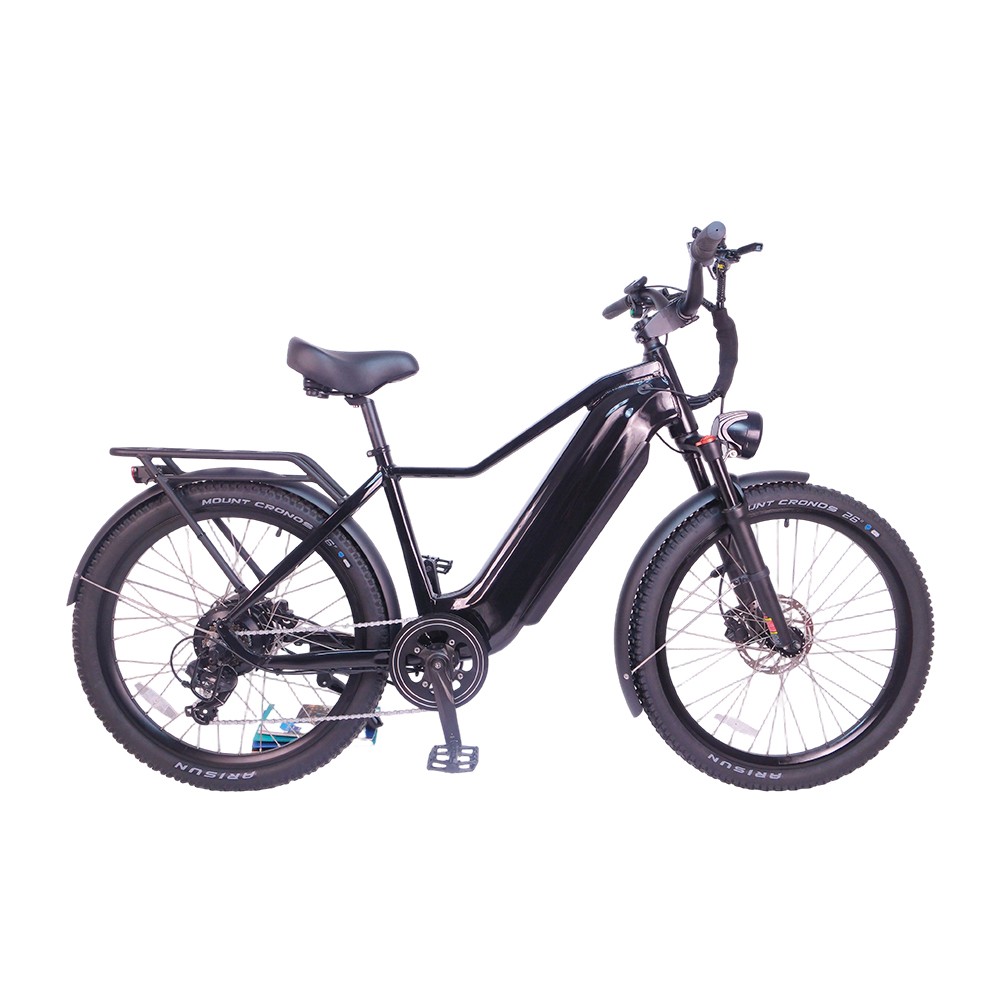
OEM (Original Equipment Manufacturer) You select the manufacturer’s existing standard delivery e-bike model. You only add your brand logo, custom paint or decals.
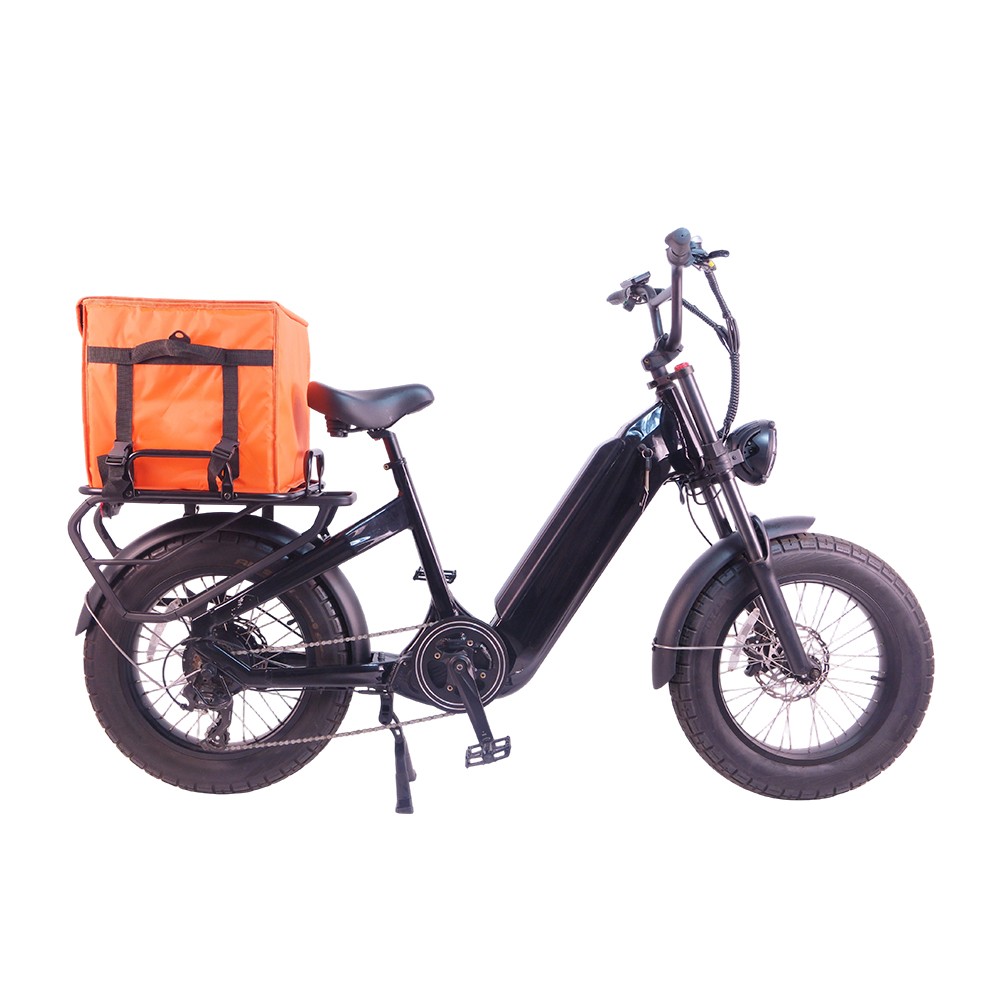
ODM (Original Design Manufacturer) You work with the factory to modify or fully redesign the bike: frame geometry, rack capacity, battery size, motor specs, smart telematics integration, cargo mounts tailored for last-mile delivery.
Core Differences
1.Upfront investment
· OEM: Low MOQ, minimal design costs; fast lead times.
· ODM: Higher minimum order quantity, engineering tooling fees; longer production timeline.
2.Customization
· OEM: Limited changes (branding, accessories only).
· ODM: Full control over performance, cargo structure, smart hardware, component selection. Ideal for commercial delivery fleets.
3.Uniqueness
· OEM: Identical base bike sold to many brands; easy for competitors to source the same model.
· ODM: Exclusive design; differentiate your rental/delivery fleet.
4.Risk & reliability
· OEM: Proven mass-produced design, fewer testing risks.
· ODM: Requires prototype validation; risk of design flaws without proper testing.
Best Fit for Your Business
✅ ChooseOEM New entrants, smaller fleets, limited capital, quick market launch, standard food delivery e-bikes.
✅ ChooseODM Scaling rental fleets, commercial last-mile operators, need heavy-duty cargo frames, built-in smart telematics, unique specifications to reduce maintenance and theft.
Quick Summary Slide Bullet Version
· OEM: Factory’s ready bike + your logo → low cost, fast launch, limited customization.
· ODM: Custom-built bike to your requirements → higher investment, exclusive design, optimized for delivery use cases.