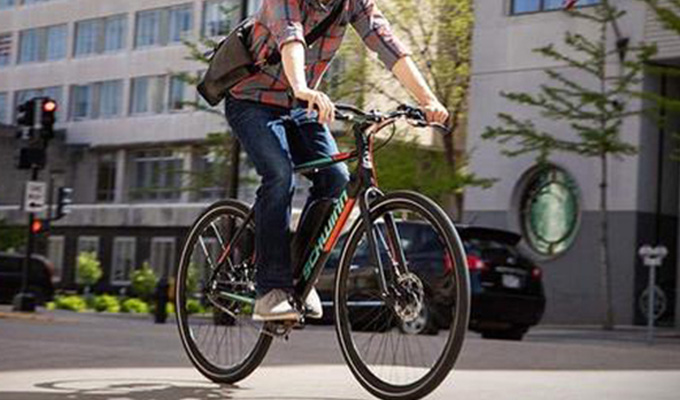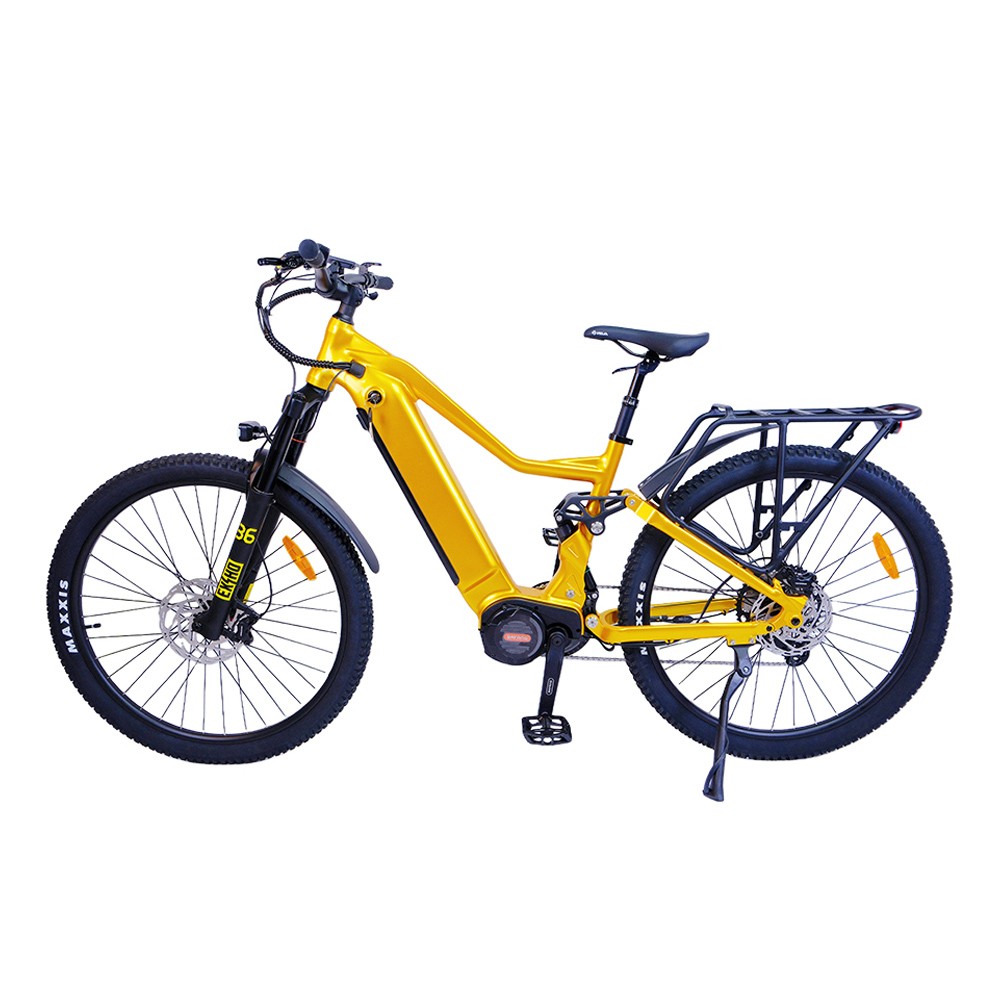
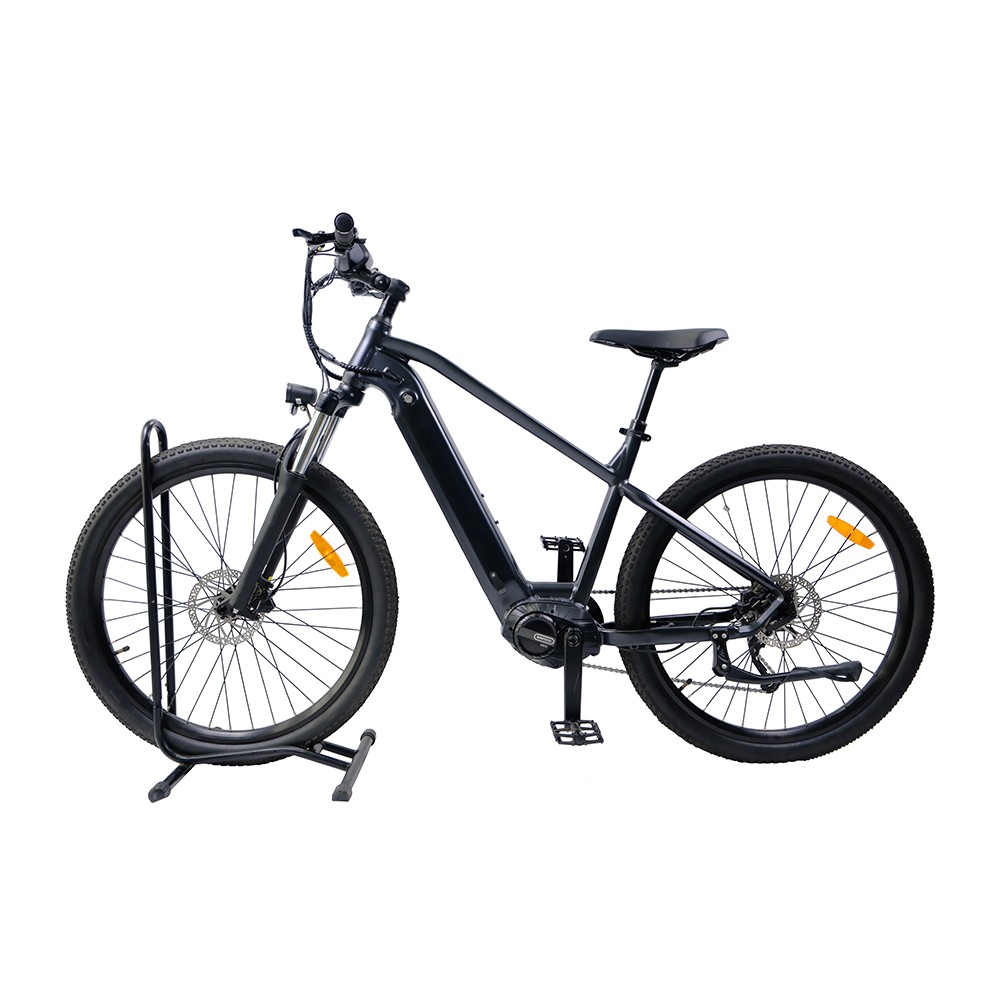
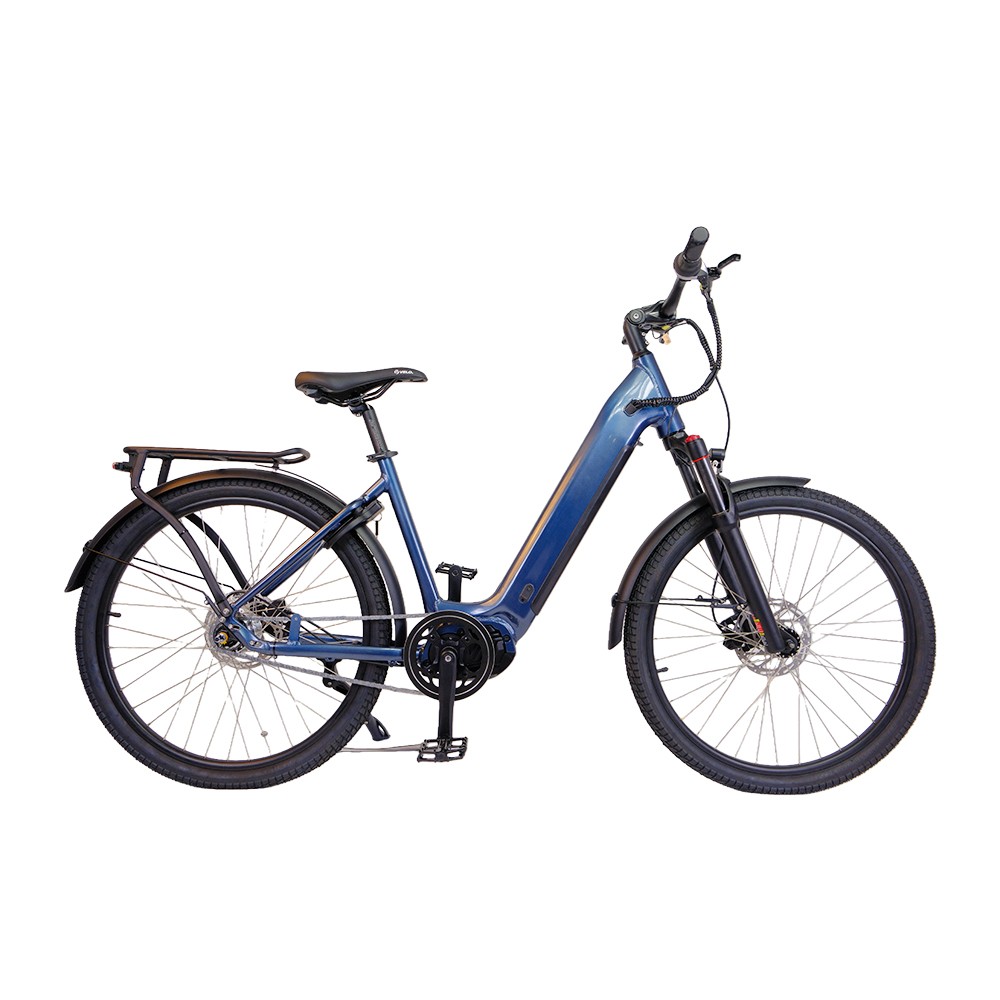
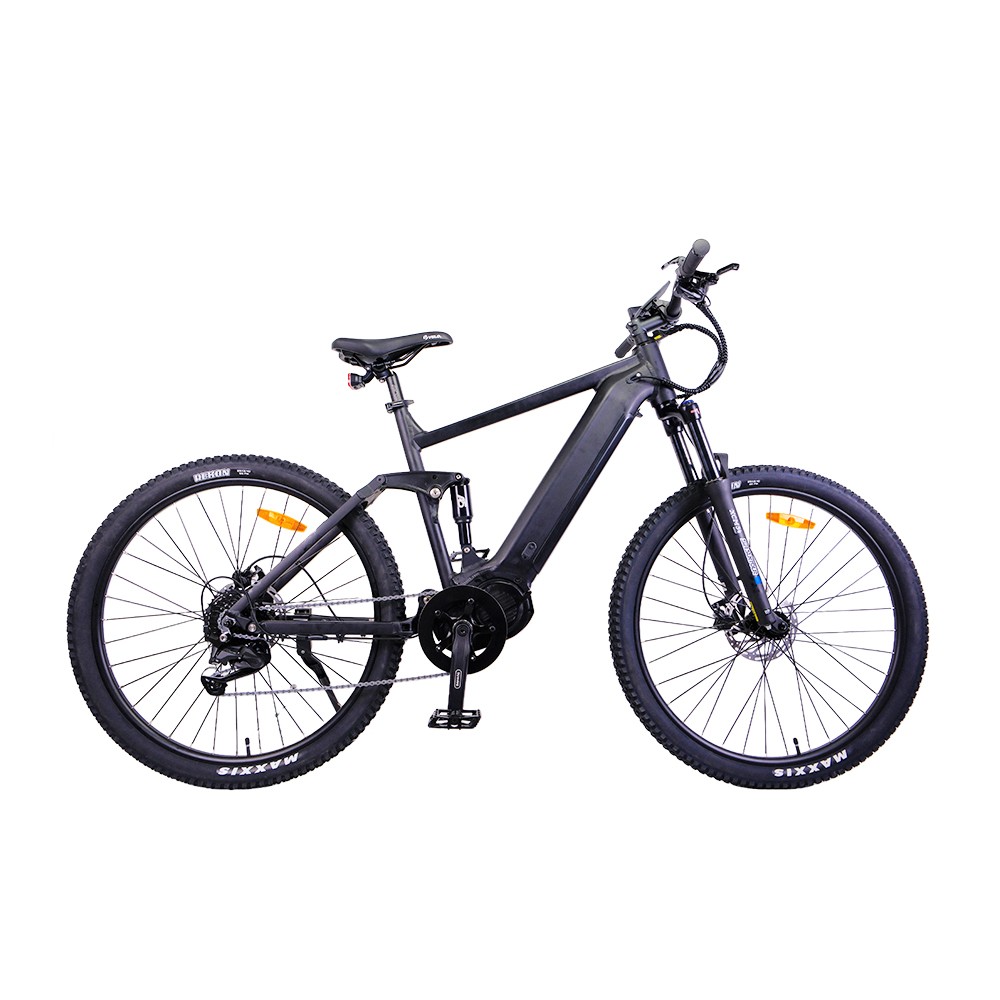


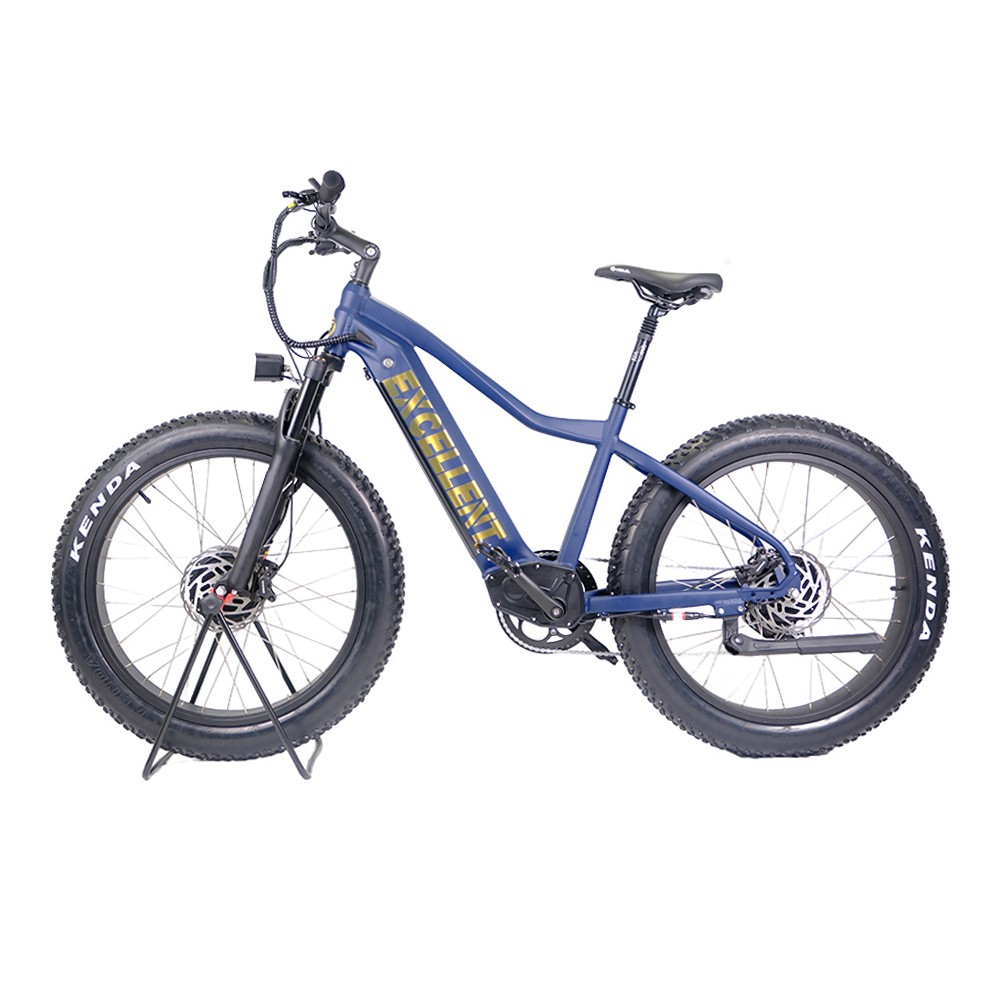


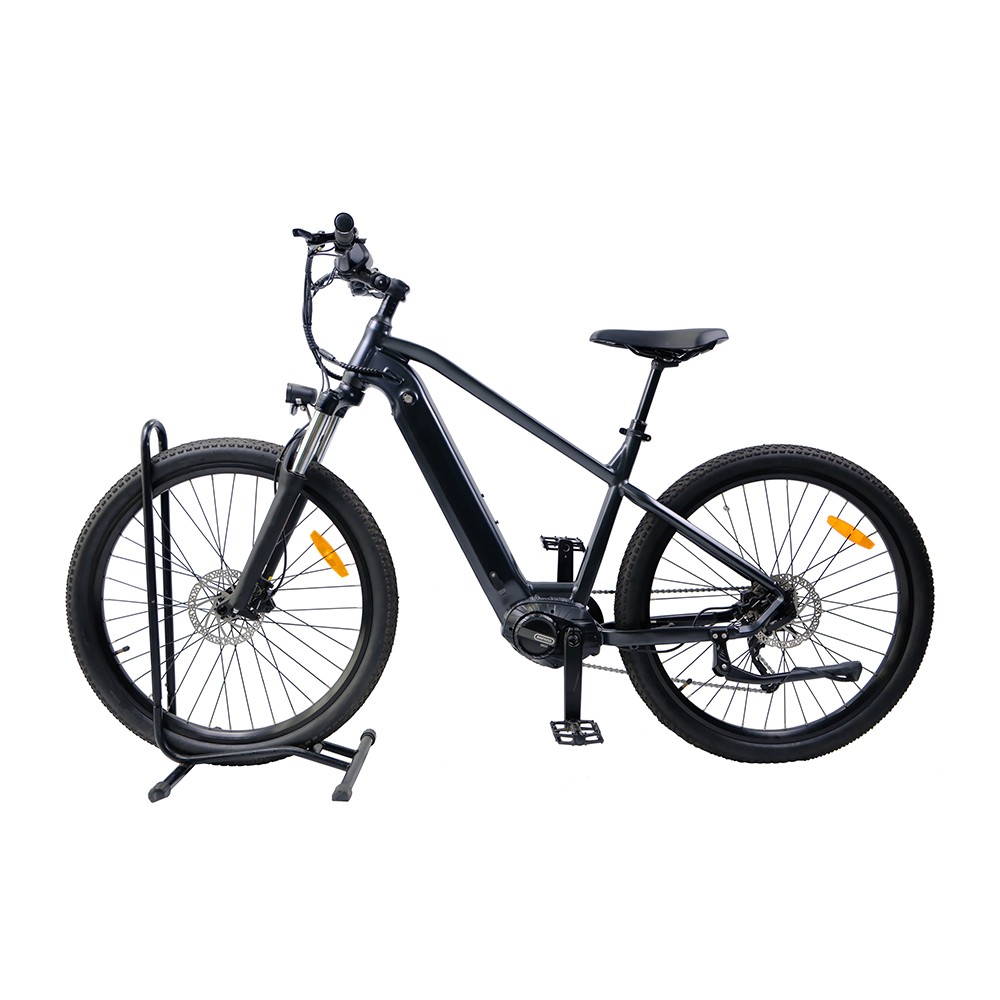
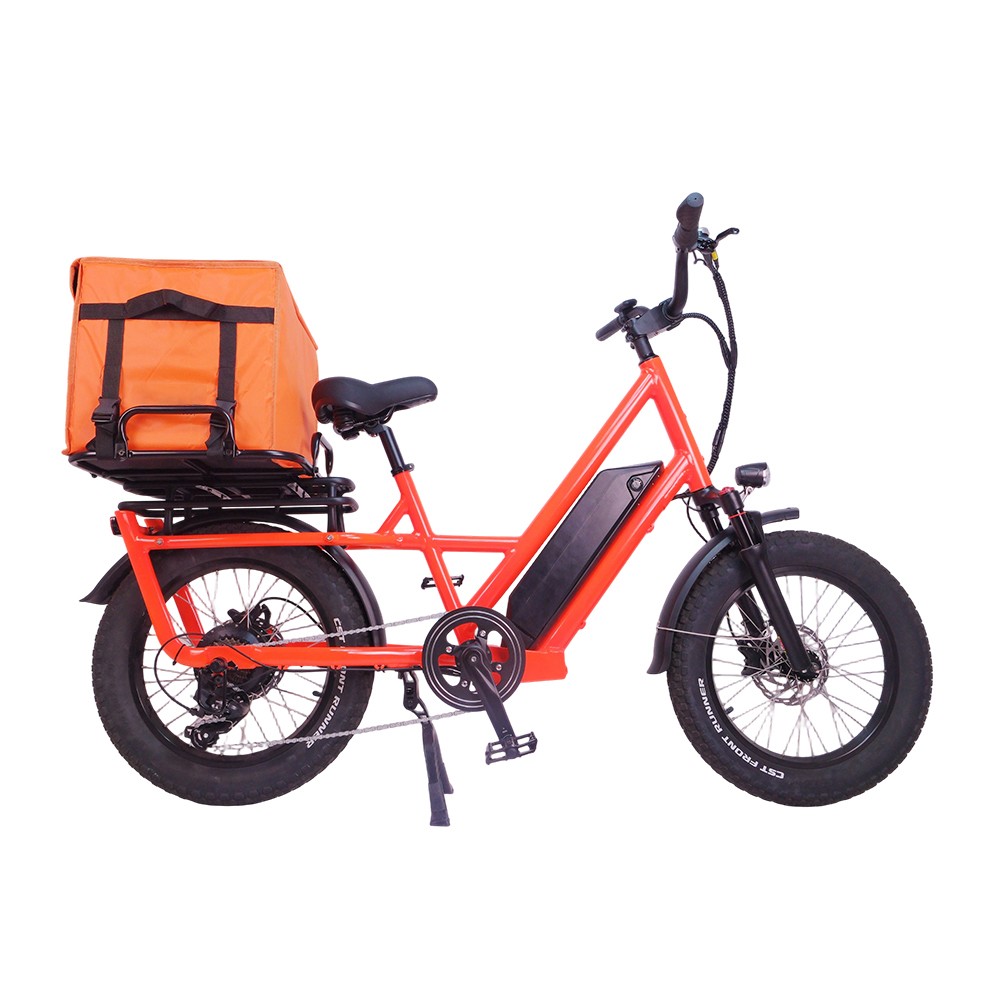
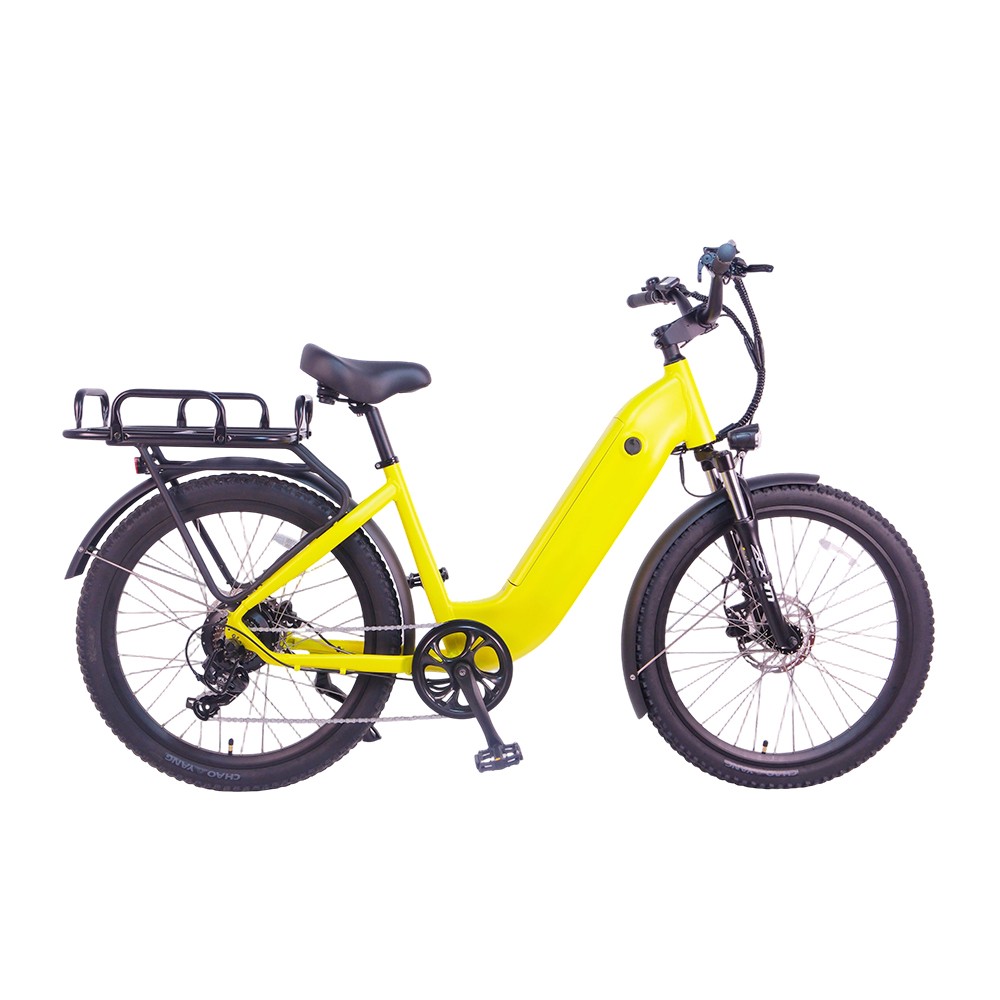
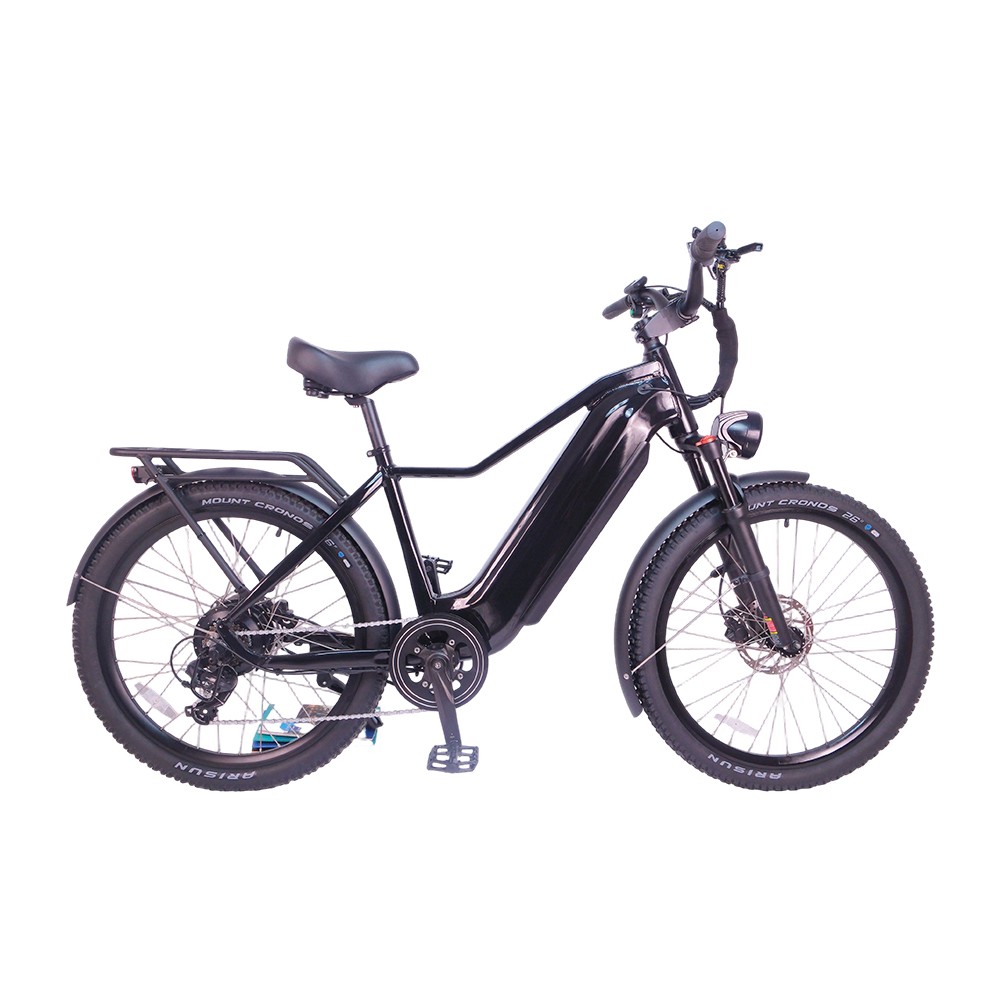
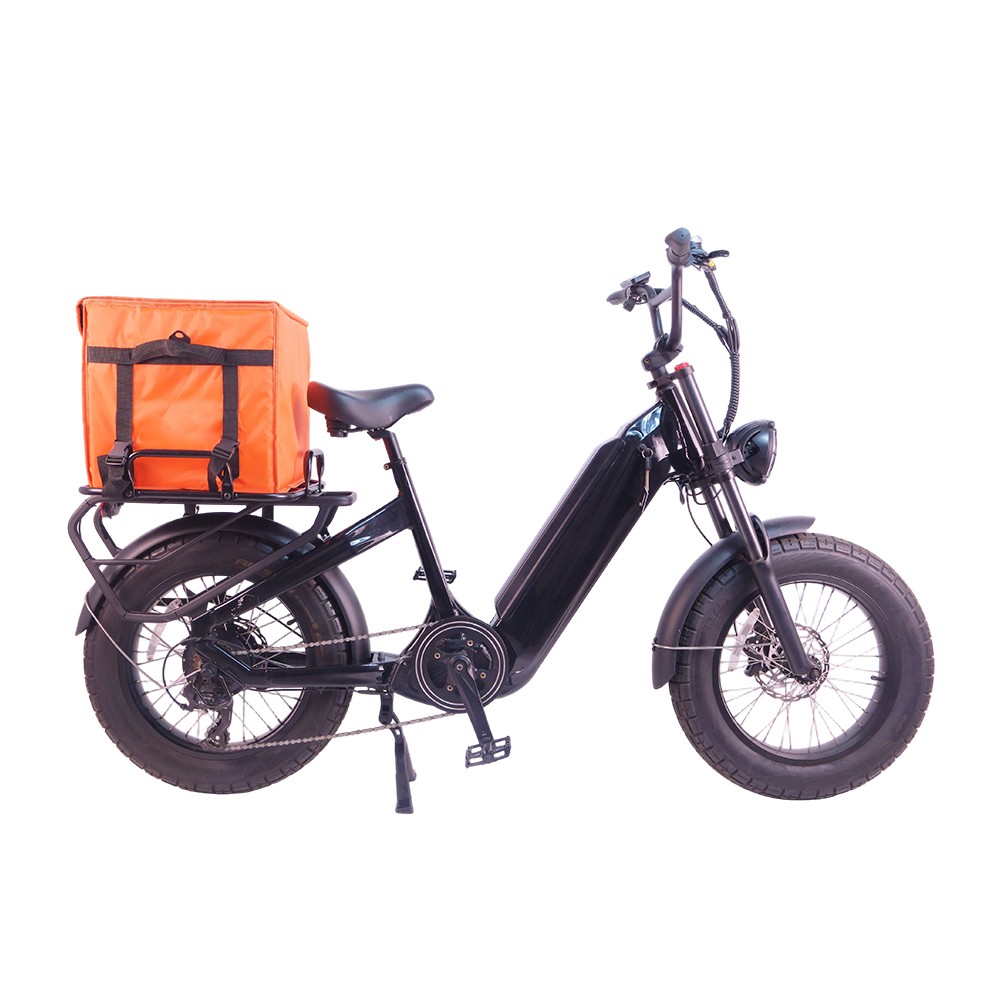
Delivery e-bikes (pedelec cargo e-bikes) help logistics and food-delivery businesses cut total operating costs across fuel, vehicle purchase, labour, parking, maintenance and fines.
1. Eliminate fuel costs
Unlike petrol scooters, motorcycles or small delivery vans, e-bikes run on grid electricity.
· Electricity cost per kilometre is far lower than gasoline.
· Operators with fleet-charging setups can further lower energy expenses via off-peak night-time charging.
· No recurring petrol station visits, saving both money and driver downtime.
2. Lower capital expenditure
· Purchase price of a cargo delivery e-bike is significantly cheaper than vans or motor scooters.
· Many operators useleasing/rental models instead of buying, which avoids large one-off capital outlays and spreads costs into predictable monthly operational expenses.
· No heavy-vehicle registration fees for standard 25 km/h pedelecs in most European markets.
3. Reduced maintenance & repair expenses
· E-bikes have fewer moving parts than combustion-engine vehicles: no engine oil, spark plugs, exhaust systems or complex transmission assemblies.
· Routine servicing is simpler and less frequent.
· Tyre and brake wear is the main maintenance item, keeping long-term upkeep costs under control.
4. Improve labour productivity to cut labour-related unit costs
· E-bikes assist rider pedalling, enabling higher average speed and less physical fatigue.
· Riders completemore deliveries per working shift. Labour cost per order drops as output per employee rises.
· E-bikes easily navigate urban congestion; less time stuck in traffic raises daily delivery volumes.
5. Avoid urban traffic-related costs
1. Parking: E-bikes use cheap or free bicycle parking spaces, no expensive commercial vehicle parking fees.
2. Access rules: Can enter city centres, low-emission zones and pedestrian areas where vans and motor-vehicles face bans or high access charges.
3. Fines: Lower risk of congestion-zone penalties and restricted-vehicle fines compared with vans.
6. Lower insurance costs
Standard 25 km/h delivery e-bikes require only basic liability insurance in most of Europe. Insurance premiums are much cheaper than policies for motor-scooter fleets or light commercial vans.
7. Reduce indirect overheads
· Small footprint: charging stations for e-bike fleets take far less depot space than van parking.
· Fleet rotation: modular swappable-battery systems cut waiting-time for recharging and maximise vehicle utilisation rate. Higher utilisation spreads fixed fleet costs over more delivery tasks.
Limitations to note
Cost-saving benefits depend on operating conditions:
· In cold-climate regions battery performance drops in winter; extra battery capacity or winter-proof maintenance partially offsets savings.
· Heavy-duty cargo models and full-service leasing increase monthly rental expense.