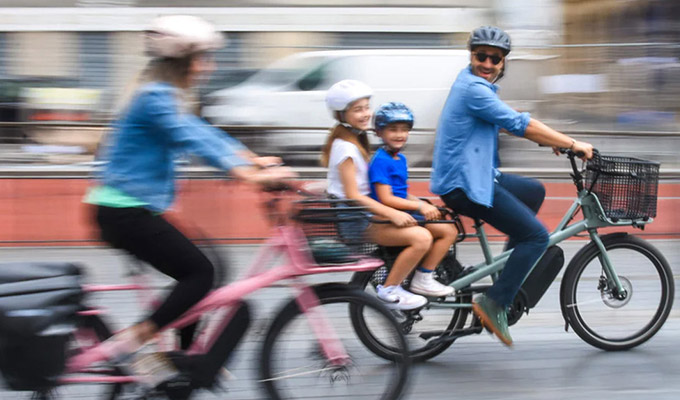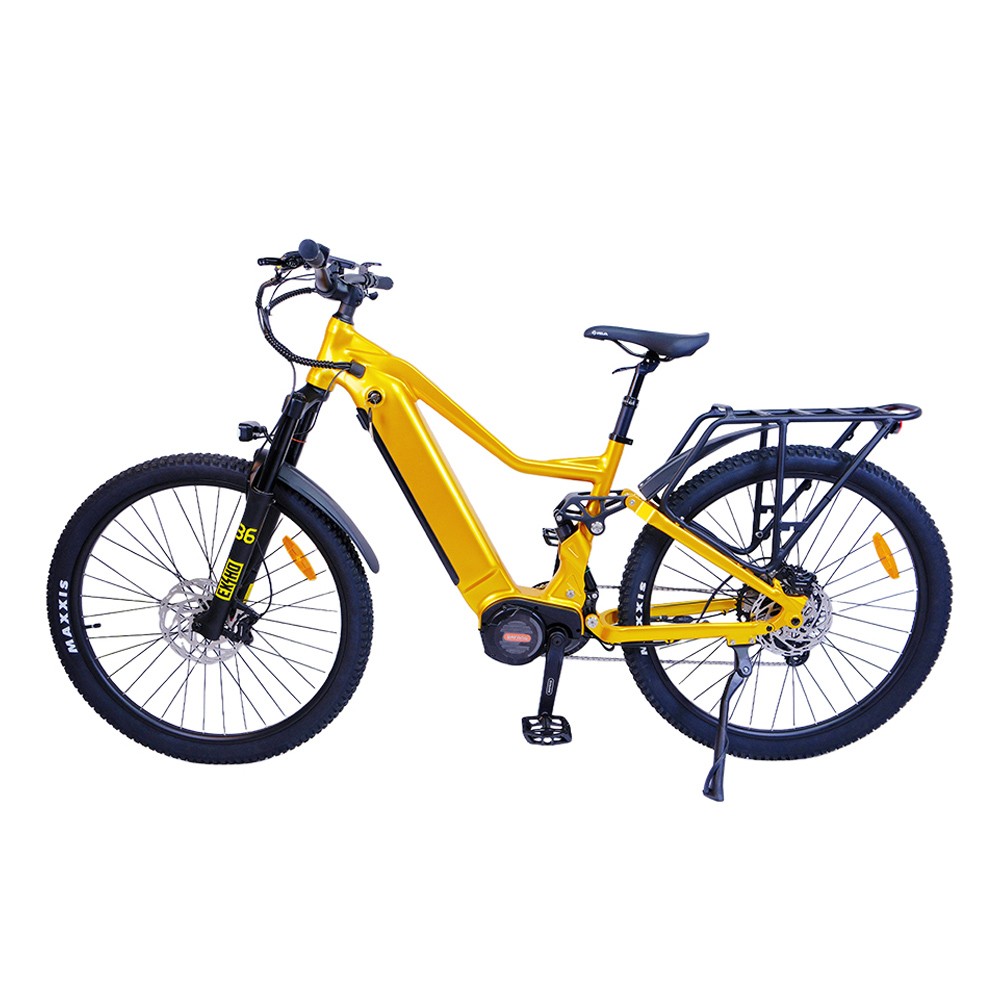
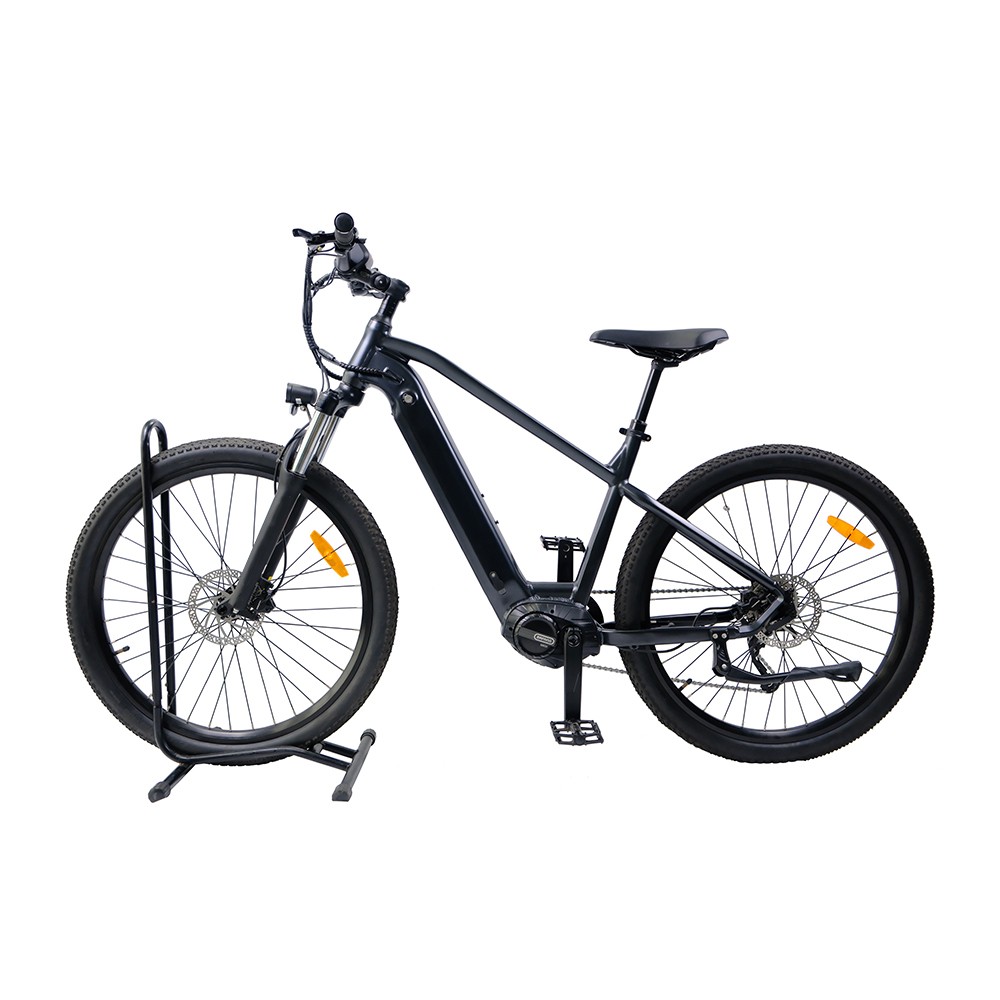
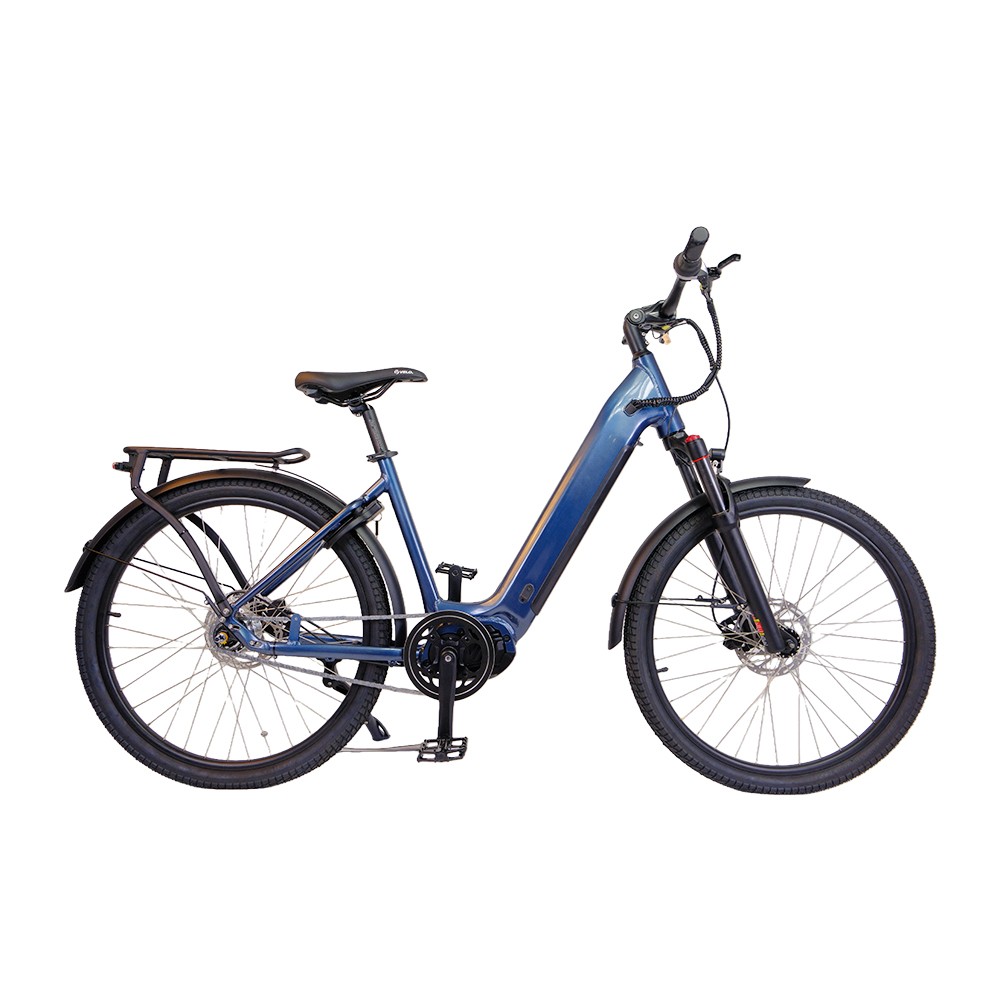
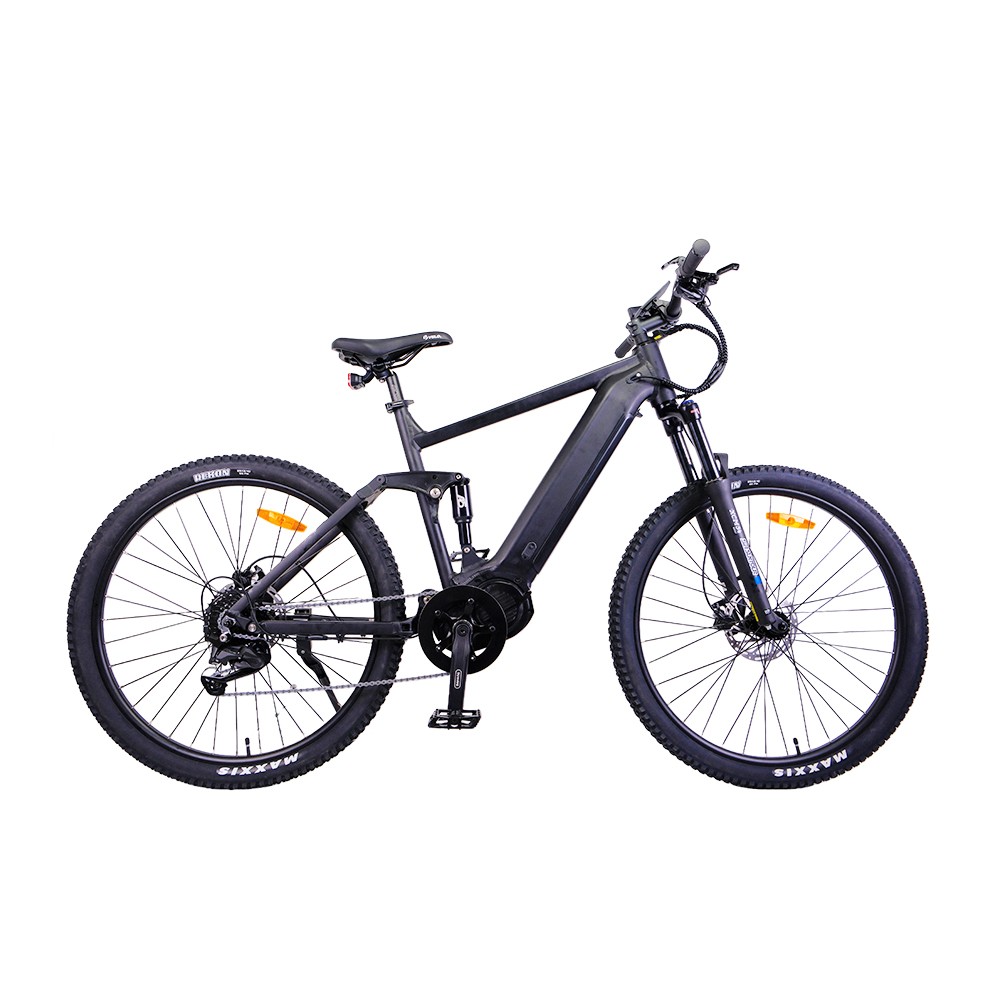


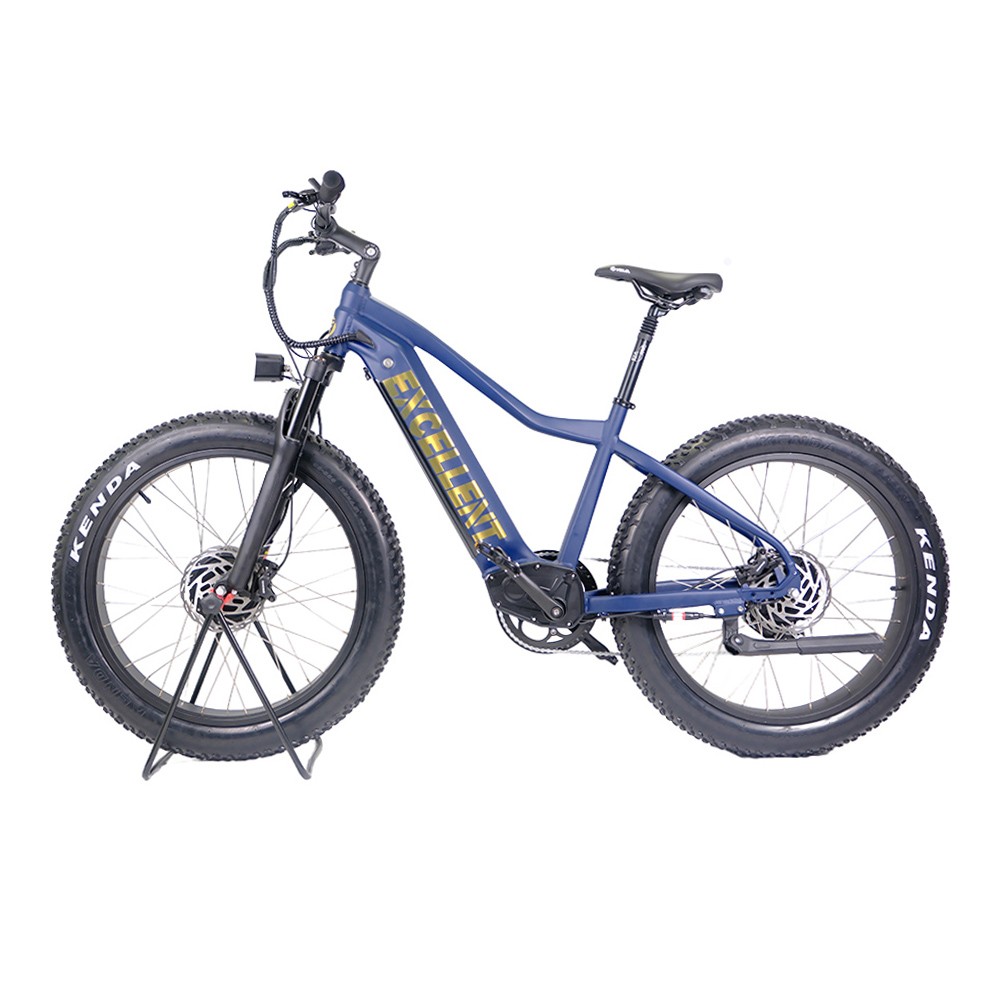


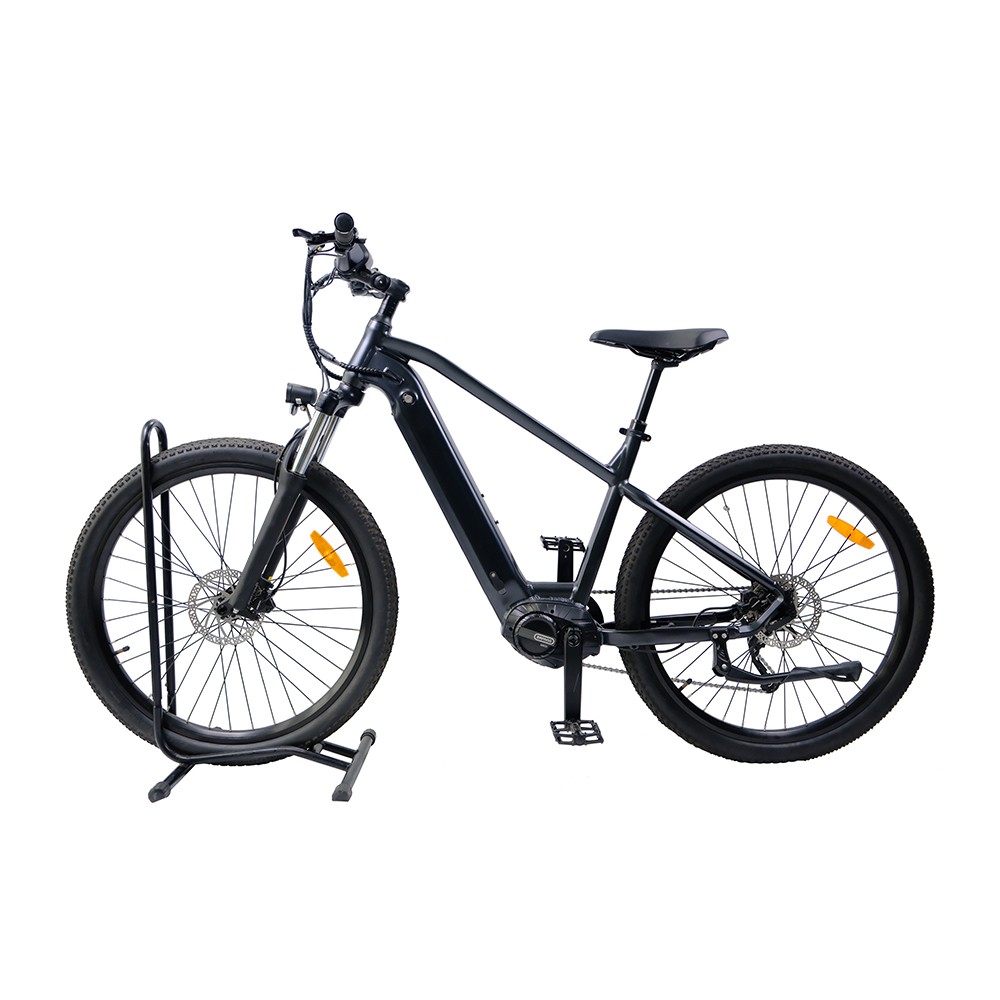
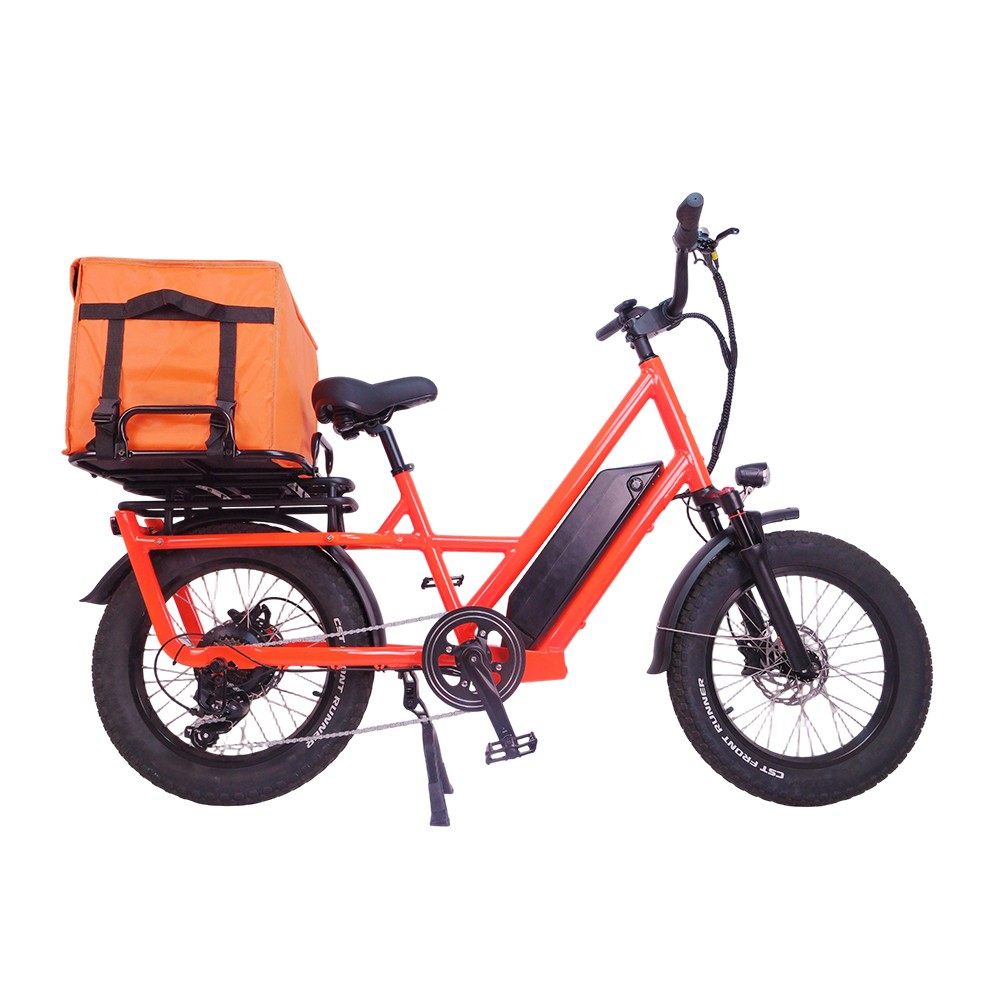
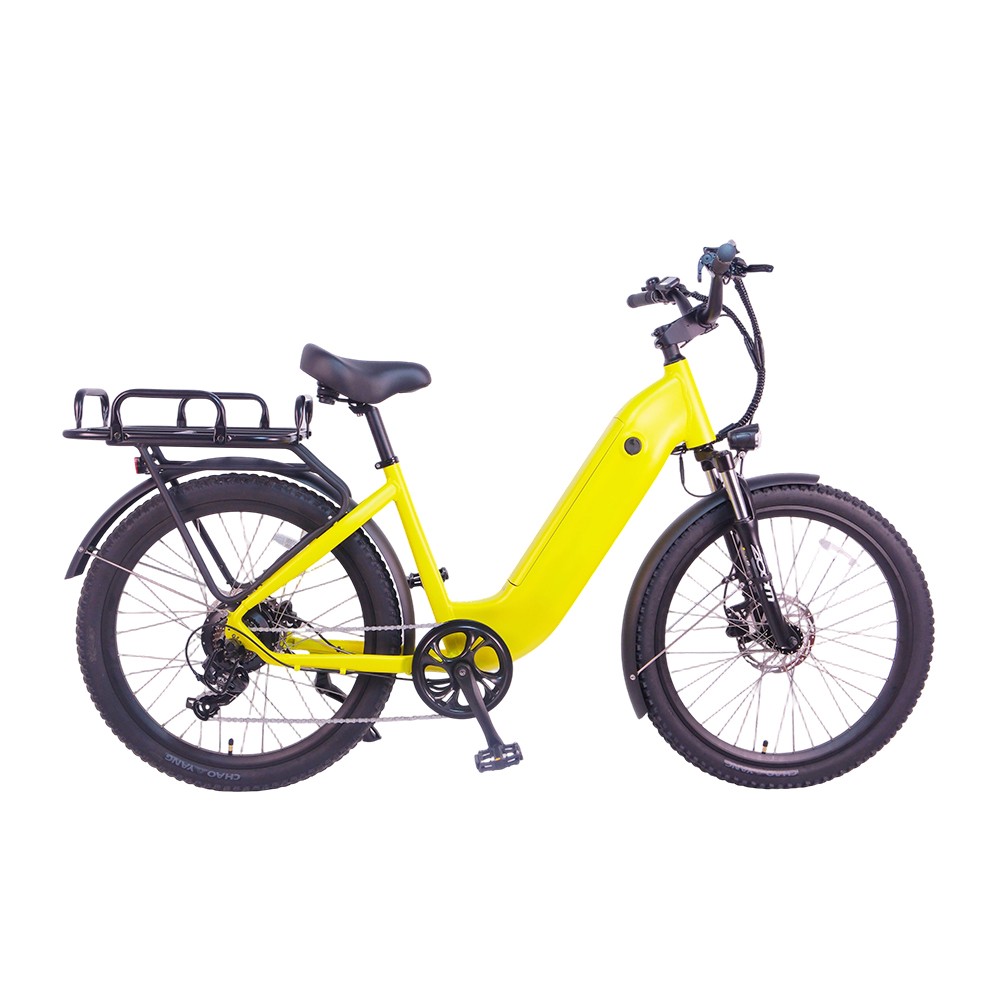
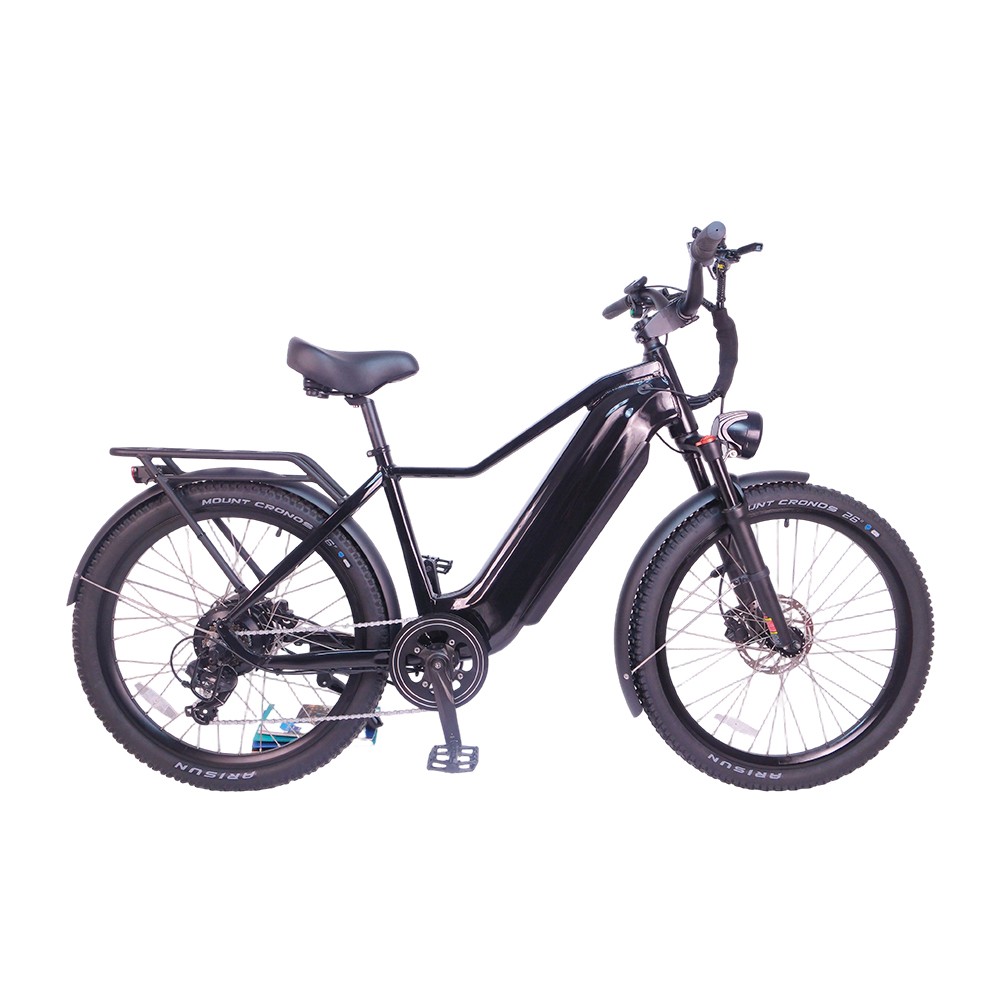
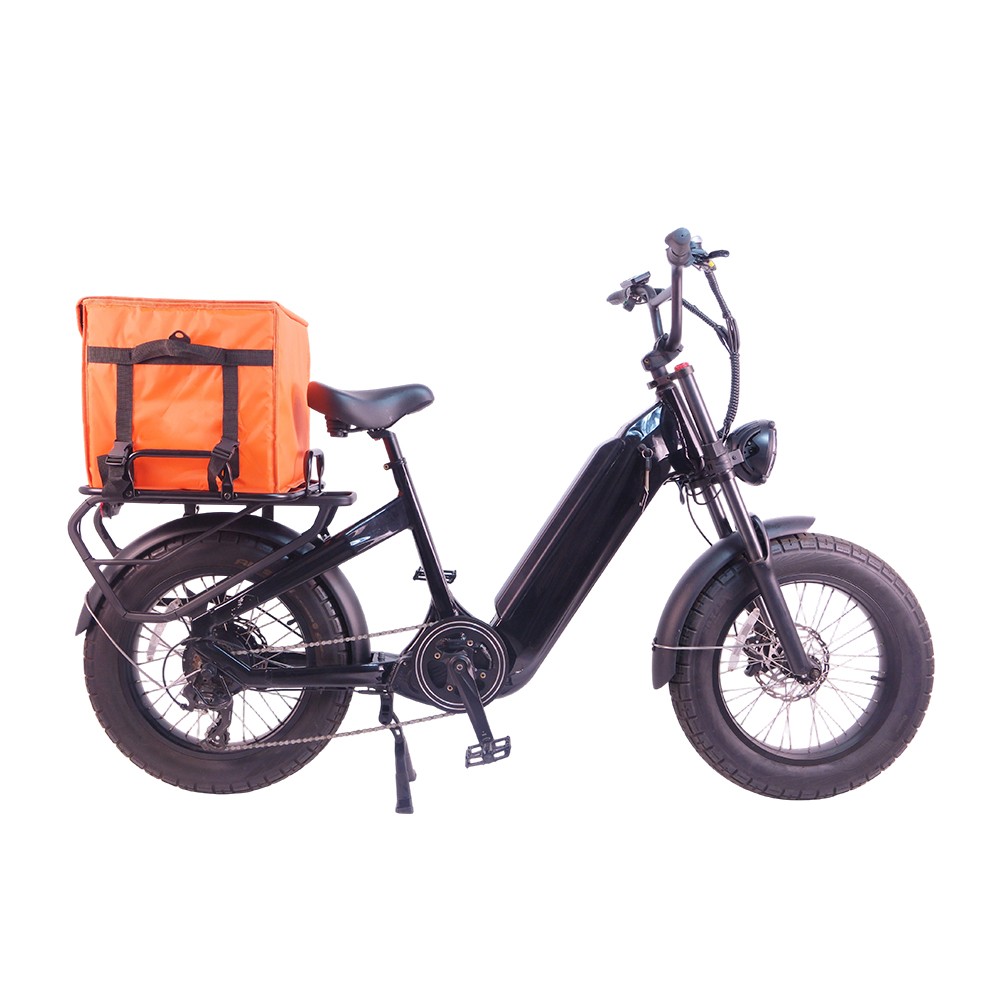
Food delivery platforms and commercial logistics fleets are rapidly replacing traditional gas scooters and vans with commercial e-bikes. This shift is driven entirely bydrastic cost reductions, immunity to urban traffic congestion, and strict city emission regulations.
1. Radical Cost Reductions
Operating an e-bike fleet costs a fraction of a traditional gas-powered scooter or van fleet.
Zero Fuel Costs: Charging an e-bike battery costs pennies compared to daily petrol or diesel fill-ups.
Minimal Insurance Overhead: In most countries, e-bikes do not require expensive commercial motor insurance, which is often the highest recurring cost for gig-economy couriers.
Cheaper Maintenance: E-bikes have fewer moving parts than internal combustion engines. Fleets completely eliminate oil changes, spark plug replacements, and complex transmission repairs.
No Licensing Fees: Operators save thousands on vehicle registration, road taxes, and driver licensing compliance.
2. Speed and Efficiency in Dense Cities
In heavily congested metropolitan areas, e-bikes complete short-distance deliveries faster than cars or motorbikes.
Traffic Bypass: E-bikes use dedicated cycling lanes, shortcuts, and pedestrian-friendly paths to cut directly through gridlocked city centers.
Instant Parking: Couriers park directly on the pavement outside a restaurant or customer's doorstep. This eliminates the 5 to 10 minutes a driver typically wastes searching for a legal parking spot or loading bay.
Higher Drop-Off Frequency: Because they bypass traffic and parking delays, e-bike couriers consistently achieve a higher number of deliveries per hour on trips under 3 miles (5 km).
3. Regulatory Pressure and City Access
Global cities are actively making it more difficult and expensive to operate gas-powered delivery vehicles.
Low-Emission Zones: Cities worldwide are expanding Ultra-Low Emission Zones (ULEZ) and Zero-Emission Zones. Vans and scooters entering these areas face heavy daily charges, while e-bikes enter completely free.
Pedestrianisation: More urban centers are banning cars and motorbikes from major shopping and dining streets. E-bikes remain permitted, allowing door-to-door courier service.
Corporate ESG Goals: Major delivery platforms (like Deliveroo, Uber Eats, and Just Eat) utilize e-bike fleets to hit strict corporate environmental, social, and governance (ESG) targets.
4. Simplified Driver Recruitment
Finding and retaining delivery drivers is a major bottleneck for logistics companies. E-bikes solve this human resources issue.
Massive Hiring Pool: Anyone who can ride a bicycle can become an e-bike courier. Fleets can hire workers who do not have a driver’s licence or a clean driving record.
Zero Onboarding Delay: New riders can start delivering immediately on day one, without waiting weeks for background vehicle checks or government licensing approvals.
Reduced Rider Fatigue: Commercial-grade e-bikes feature heavy-duty pedal assist or throttles. This allows couriers to work long 8-hour shifts without the physical exhaustion of a standard bicycle.