



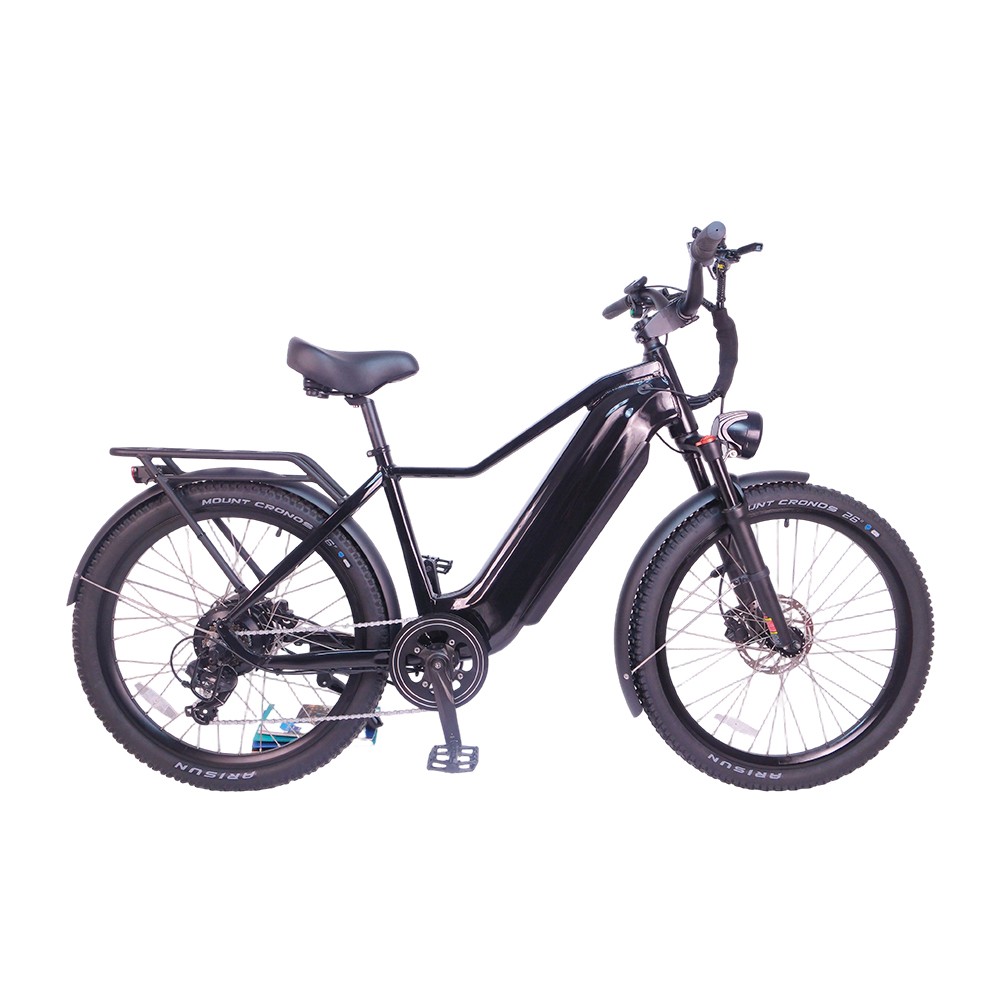
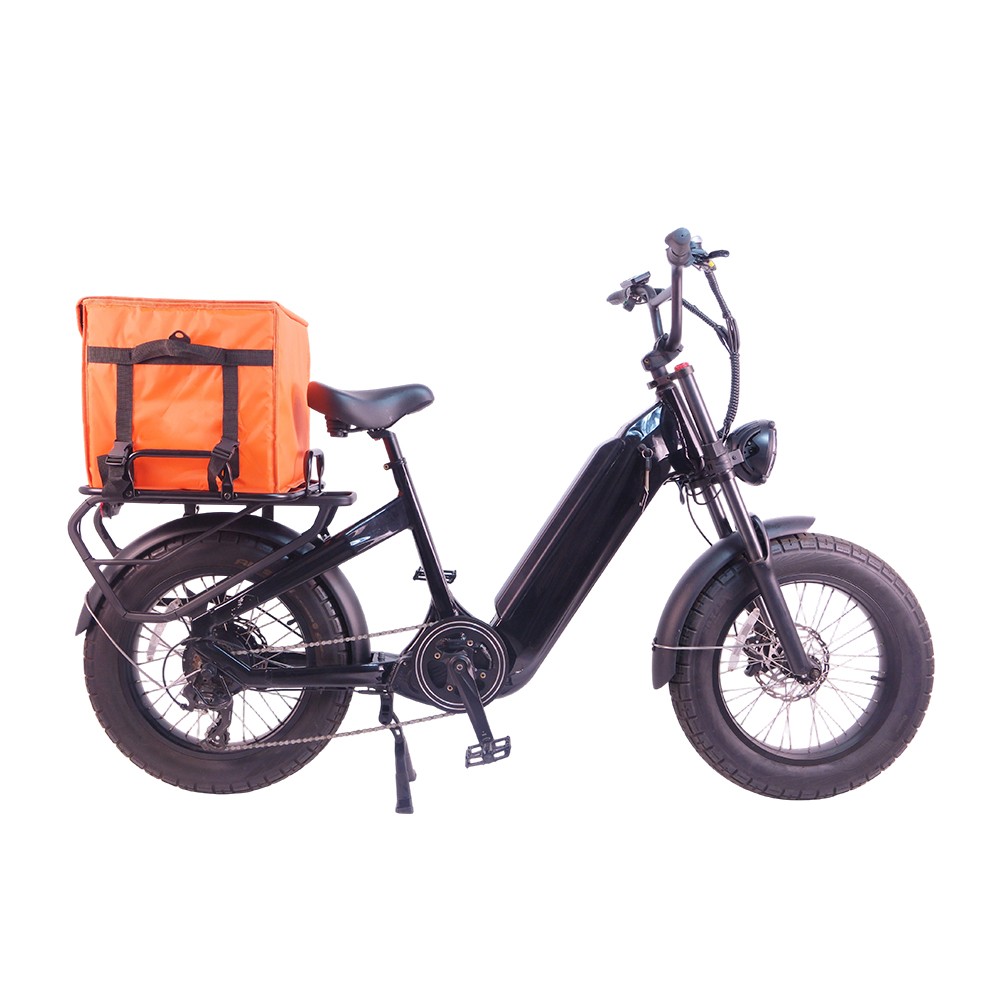
To build a realistic financial model for an e-bike delivery fleet, you must separate Capital Expenditures (CapEx) from recurring Operating Expenses (OpEx).
The following breakdown models a standard commercial deployment of 100 fleet-grade IoT e-bikes over a 3-year operational lifecycle.
1. Capital Expenditures (CapEx) – Initial Setup
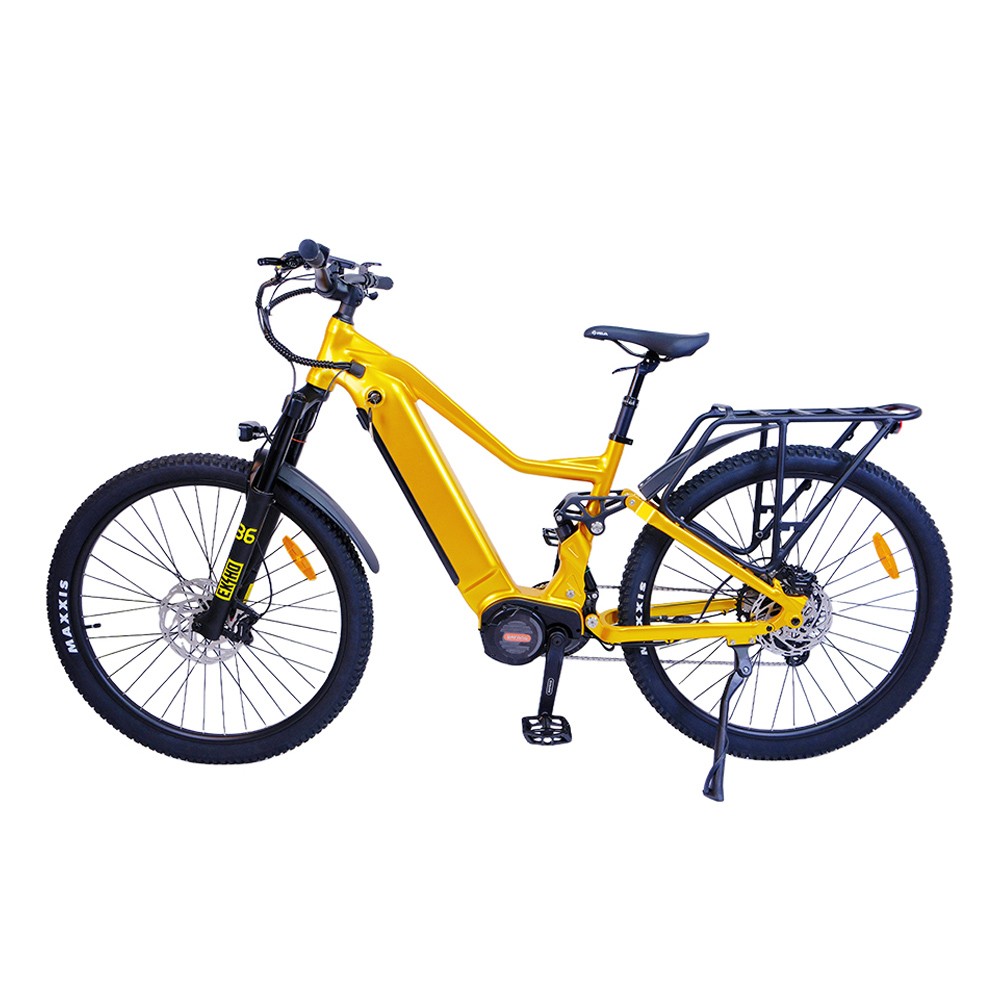
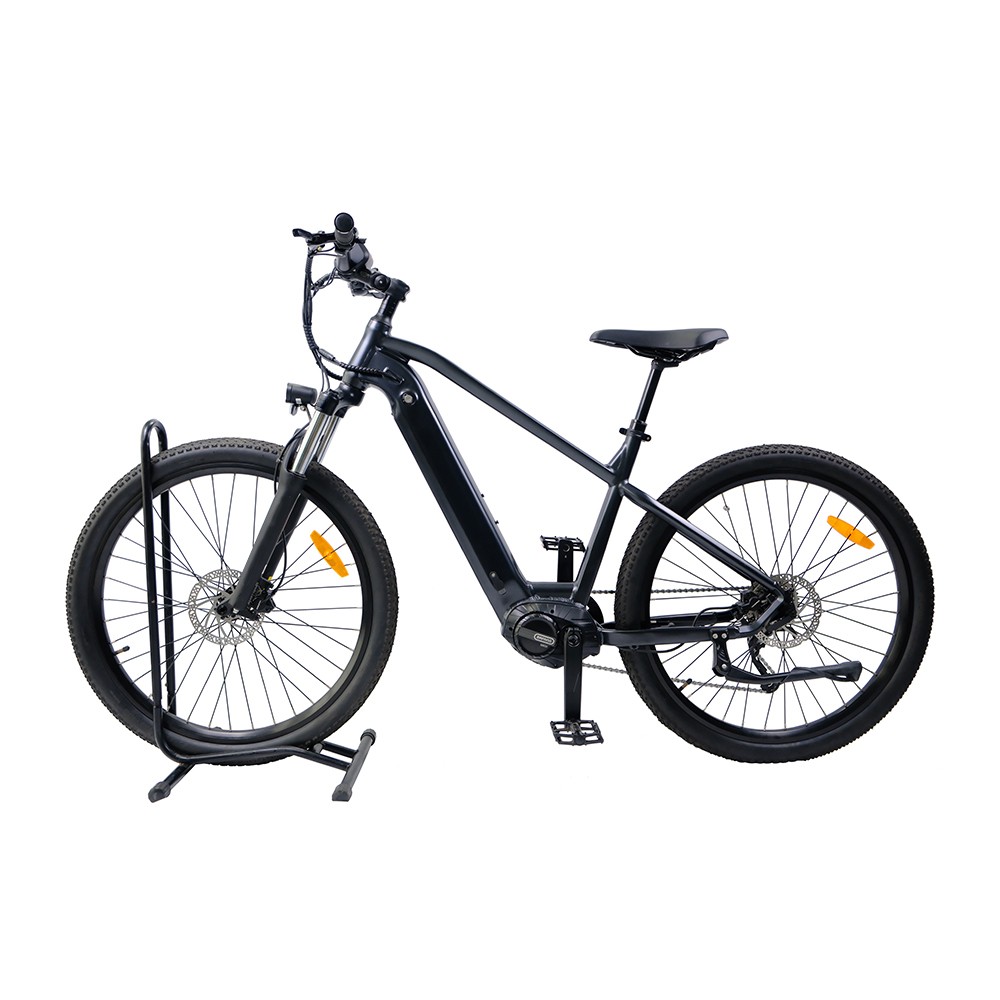
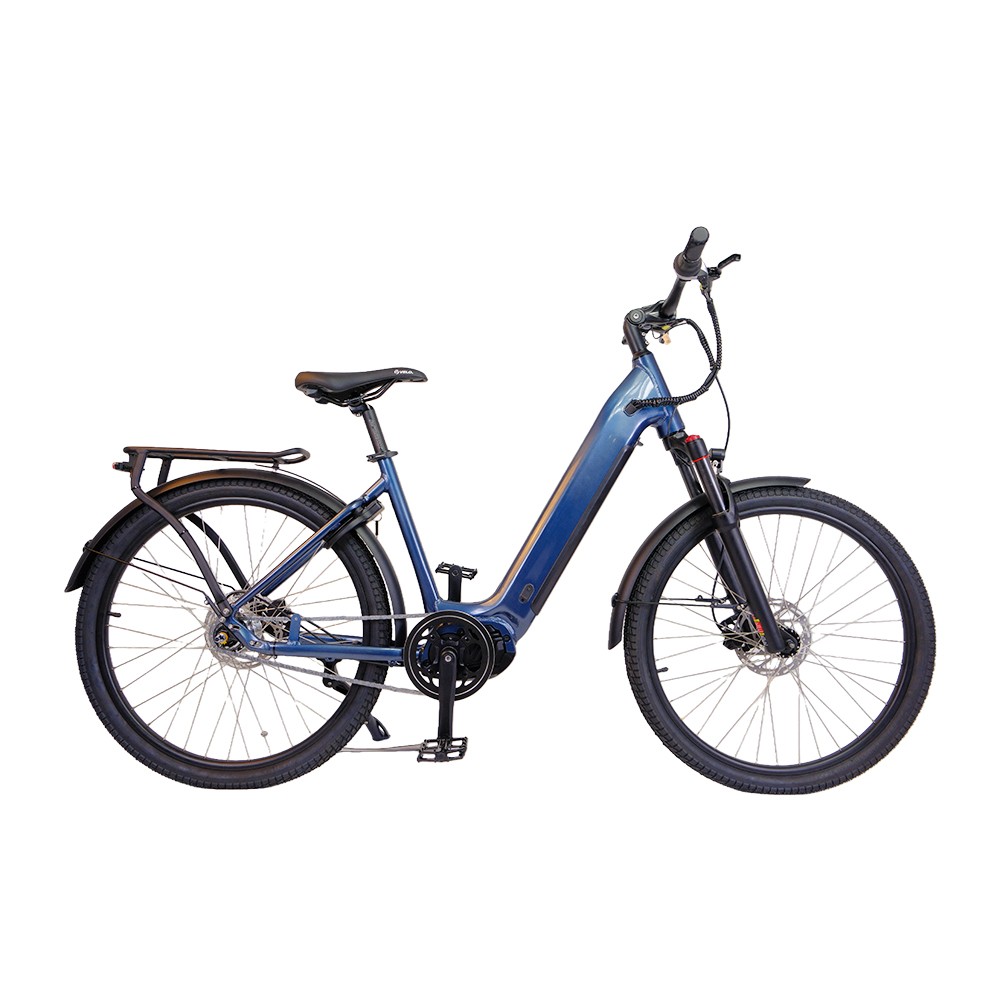
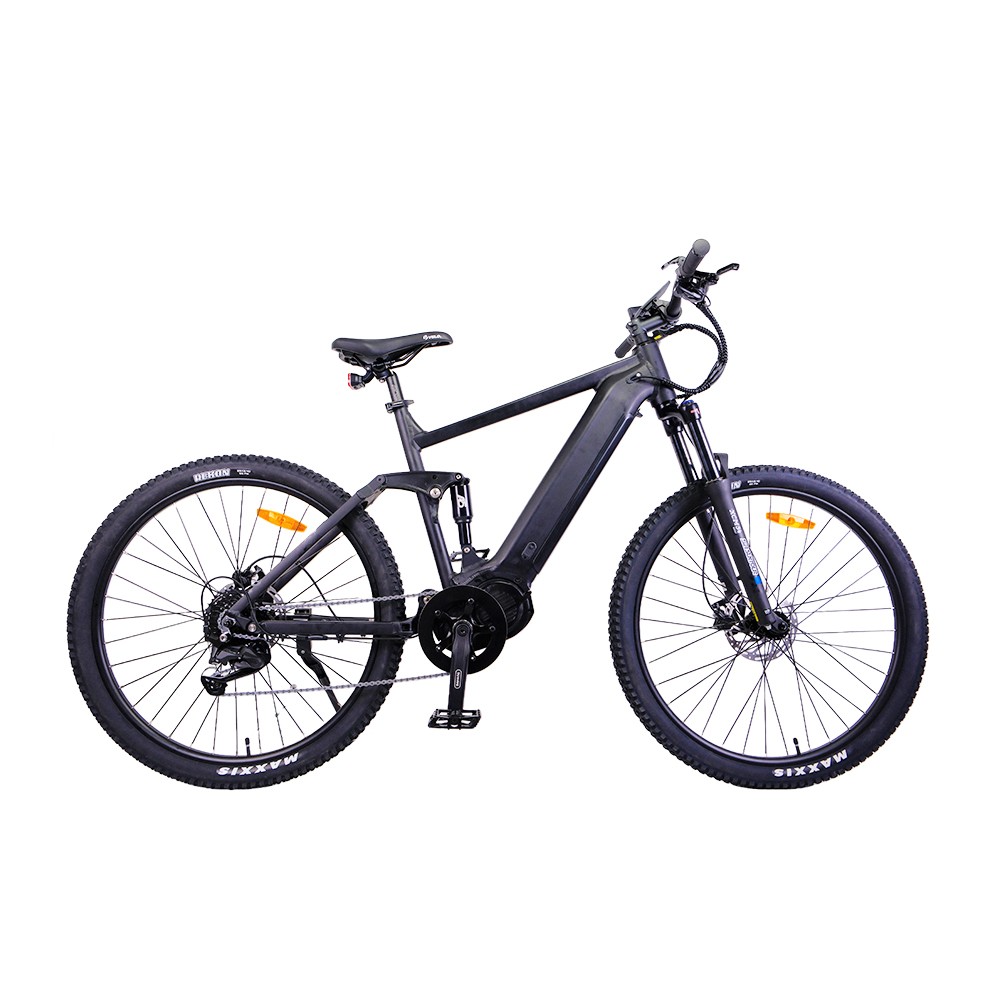
Commercial e-bikes require heavy-duty components and integrated tracking hardware. Purchasing consumer-grade bikes will spike your maintenance costs and ruin your margins.
|
Expense Item |
Cost Per Unit |
Total Fleet Cost (100 Units) |
Notes |
|
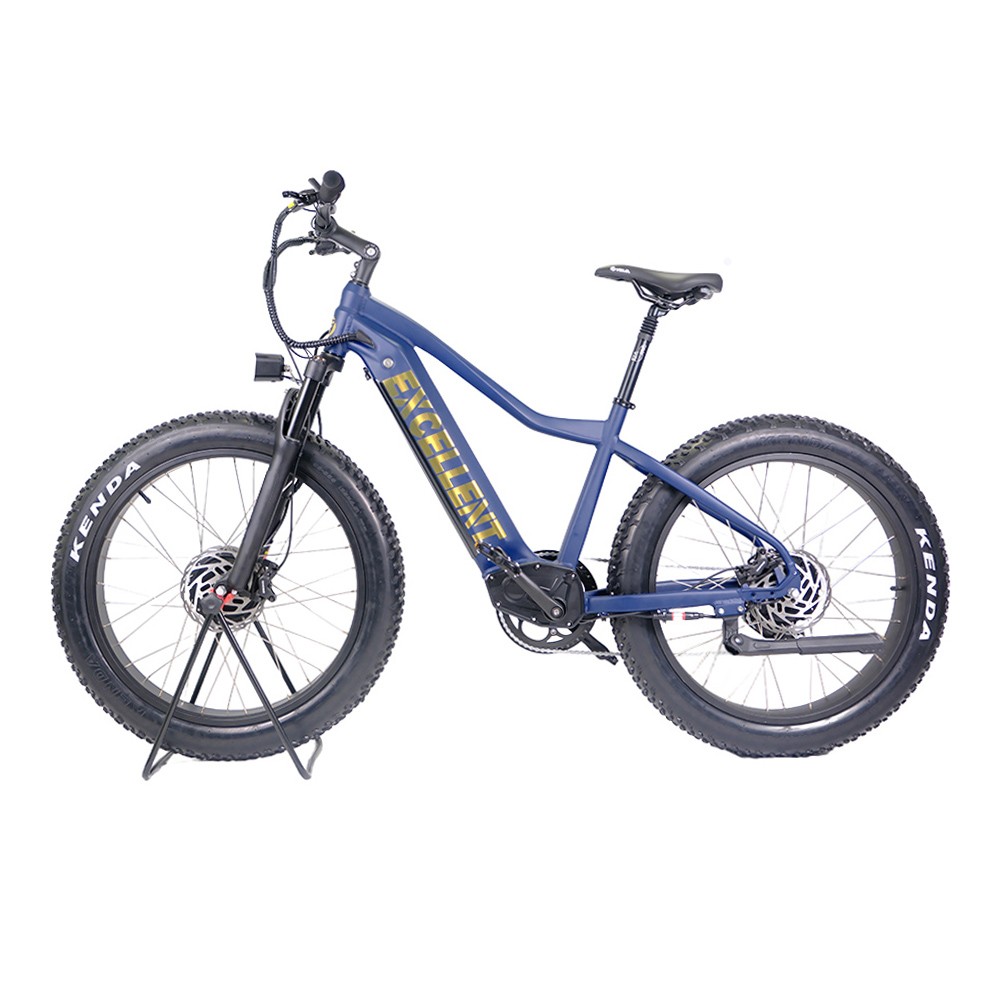
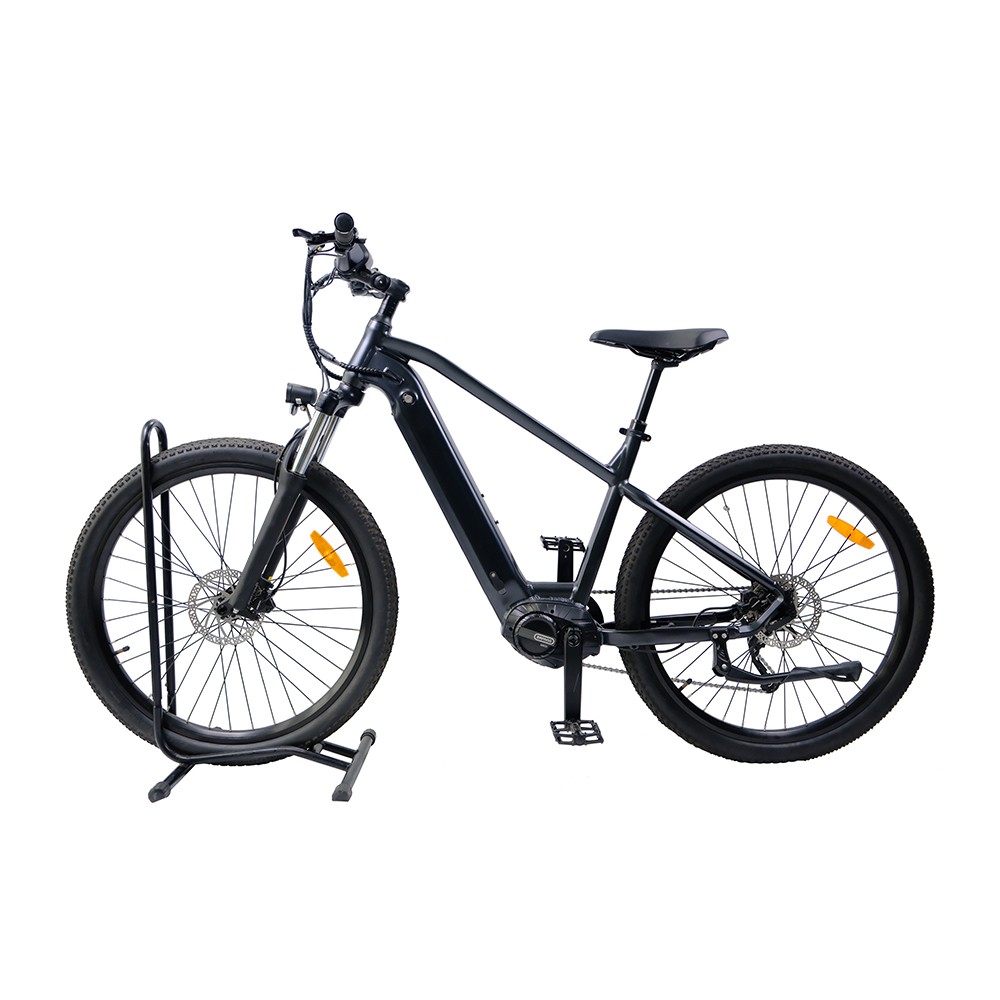
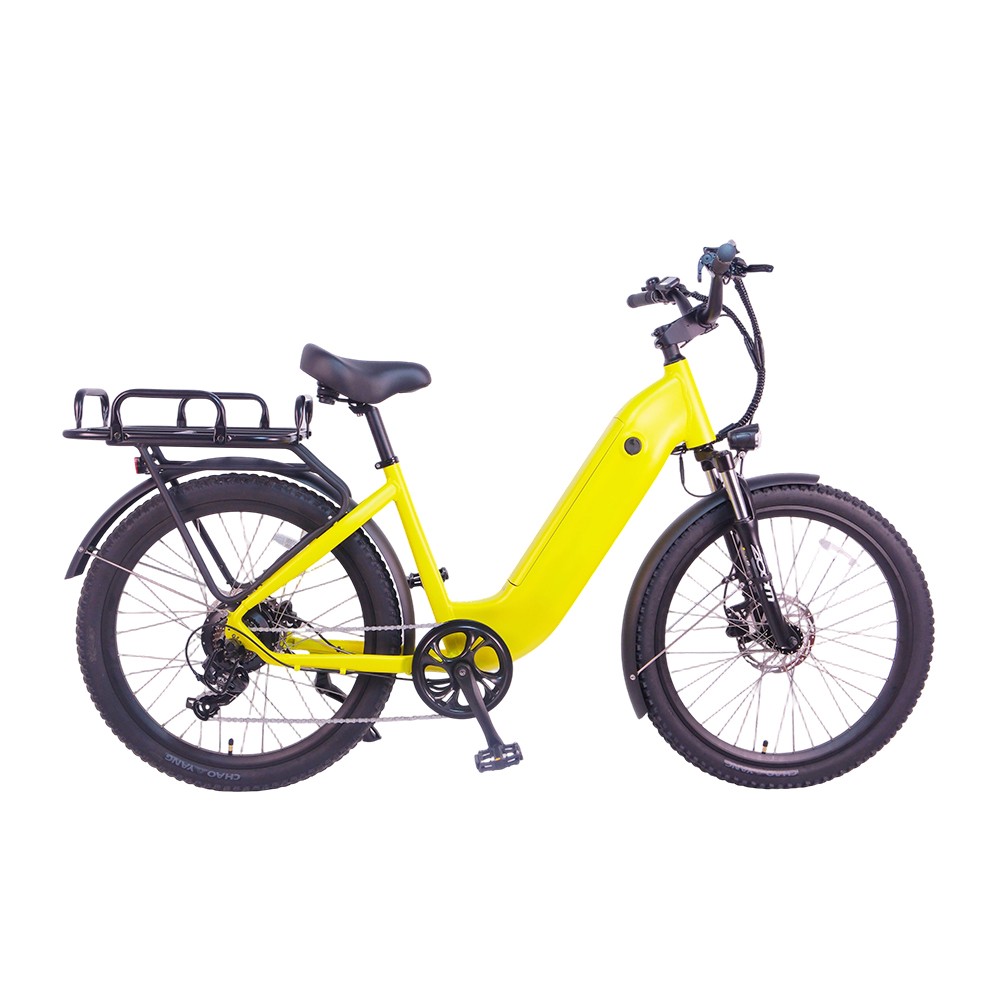
Commercial IoT E-Bike |
$1,800 |
$180,000 |
Mid-drive motor, hydraulic brakes, built-in IoT module. |
|
Spare Battery Pack |
$450 |
$45,000 |
1 spare per bike (100 total) to ensure zero charging downtime. |
|
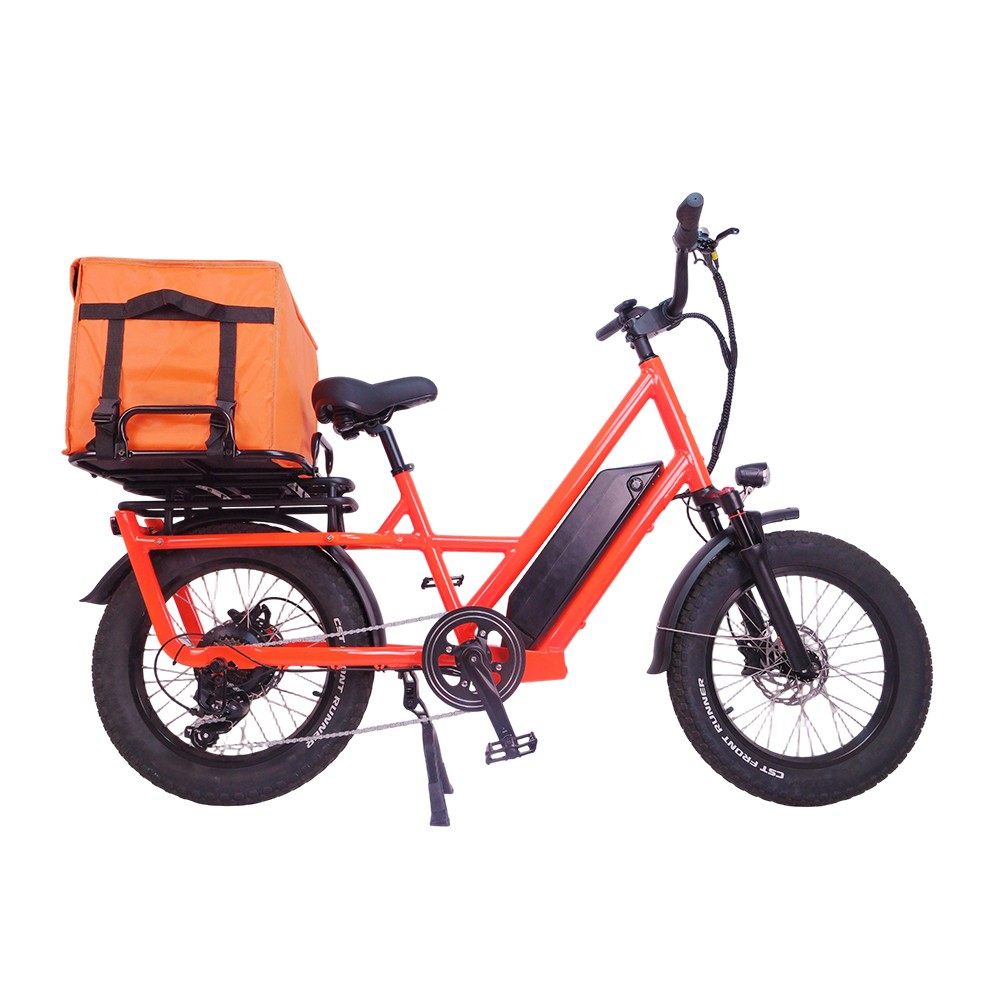
Delivery Cargo Gear |
$120 |
$12,000 |
Heavy-duty frame-mounted thermal boxes and racks. |
|
Smart Fleet Locks |
$80 |
$8,000 |
Heavy-duty physical security keyed to a master system. |
|
Central Charging Station |
— |
$5,000 |
Specialized infrastructure for high-volume battery charging. |
|
Total CapEx Setup |
$2,450 |
$250,000 |
Initial investment required. |
2. Operating Expenses (OpEx) – Monthly & Annual Running Costs
Operating costs are calculated on a per-bike, per-month basis, assuming heavy commercial utilization (roughly 8 to 10 hours of riding per day, 6 days a week).
|
Expense Category |
Per Bike / Month |
Annual Fleet Cost (100 Units) |
Expense Details |
|
IoT & Fleet Software |
$15 |
$18,000 |
Cellular data, GPS tracking, and backend management platform dashboard. |
|
Mechanical Maintenance |
$45 |
$54,000 |
Brake pads, tires, chains, rotors, spokes, and workshop tools. |
|
Fleet Mechanic Wages |
$35 |
$42,000 |
Salary for 1 full-time in-house mechanic per 100 bikes. |
|
Charging Electricity |
$4 |
$4,800 |
Based on commercial utility rates for daily battery recharging. |
|
Commercial Liability |
$15 |
$18,000 |
General business liability and asset protection insurance. |
|
Total OpEx Run Rate |
$114 |
$136,800 |
Total recurring operational cost. |
3. Depreciation and Lifecycle Factors (3-Year Horizon)
l Battery Degradation: Commercial lithium-ion batteries last roughly 800 to 1,000 charge cycles before capacity drops below 80%. In a full-time delivery fleet, expect to replace your entire battery inventory at the 24-month mark ($45,000 secondary CapEx hit).
l Frame & Motor Lifespan: Premium mid-drive motors (Bosch, Yamaha, Bafang) easily survive 3 years if maintained.
l Residual Value: At the end of year 3, a well-maintained commercial e-bike can be refurbished and liquidated to the consumer second-hand market for roughly 20% to 25% of its initial purchase price ($36,000 to $45,000 fleet recovery).
4. Financial Payback Scenario (E-Bike vs. Gas Scooter)
Compared to a fleet of 100 gas scooters, e-bikes drastically accelerate your path to profitability by eliminating fuel and strict commercial motor insurance:
[Gas Scooter Fleet OpEx] ~$320 / month per vehicle (Fuel, Insurance, Engine Service)
[E-Bike Fleet OpEx] ~$114 / month per vehicle (Software, Parts, Electricity)
Net Monthly Savings: $206 per vehicle ($20,600 fleet-wide savings per month)
With a net savings of $20,600 per month, a $250,000 initial e-bike CapEx investment achieves a complete financial payback in approximately 12.1 months.