



To start an e-bike rental business, you must secure a commercial fleet, obtain local permits, select a rental management software, and purchase specialized commercial insurance. This operational roadmap ensures legal compliance while protecting your capital investment from theft and liability.
1. Structure Your Business and Financial Foundations
Launching a fleet requires clear corporate shielding and an accurate understanding of your startup costs.
· Incorporate your entity: Form an LLC or Corporation to protect personal assets from operational liabilities.
· Open business accounts: Separate your finances completely by using dedicated business checking and credit accounts.
· Estimate startup costs: Budget approximately $2,500 to $4,000 per commercial e-bike, including GPS trackers and locks.
· Secure commercial insurance: Acquire general liability and specialized inland marine insurance to cover fleet theft or rider injuries.
2. Procure Your Commercial Fleet
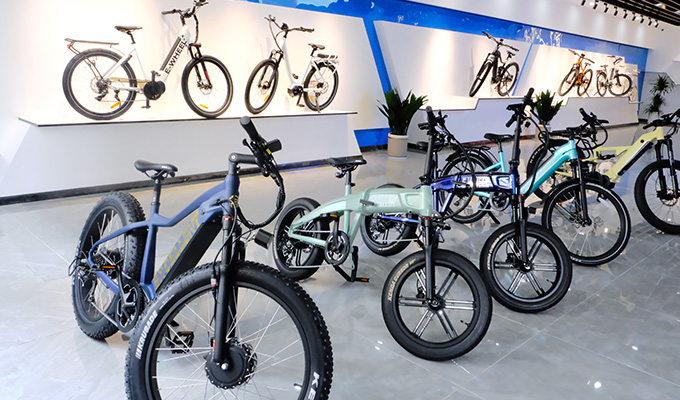
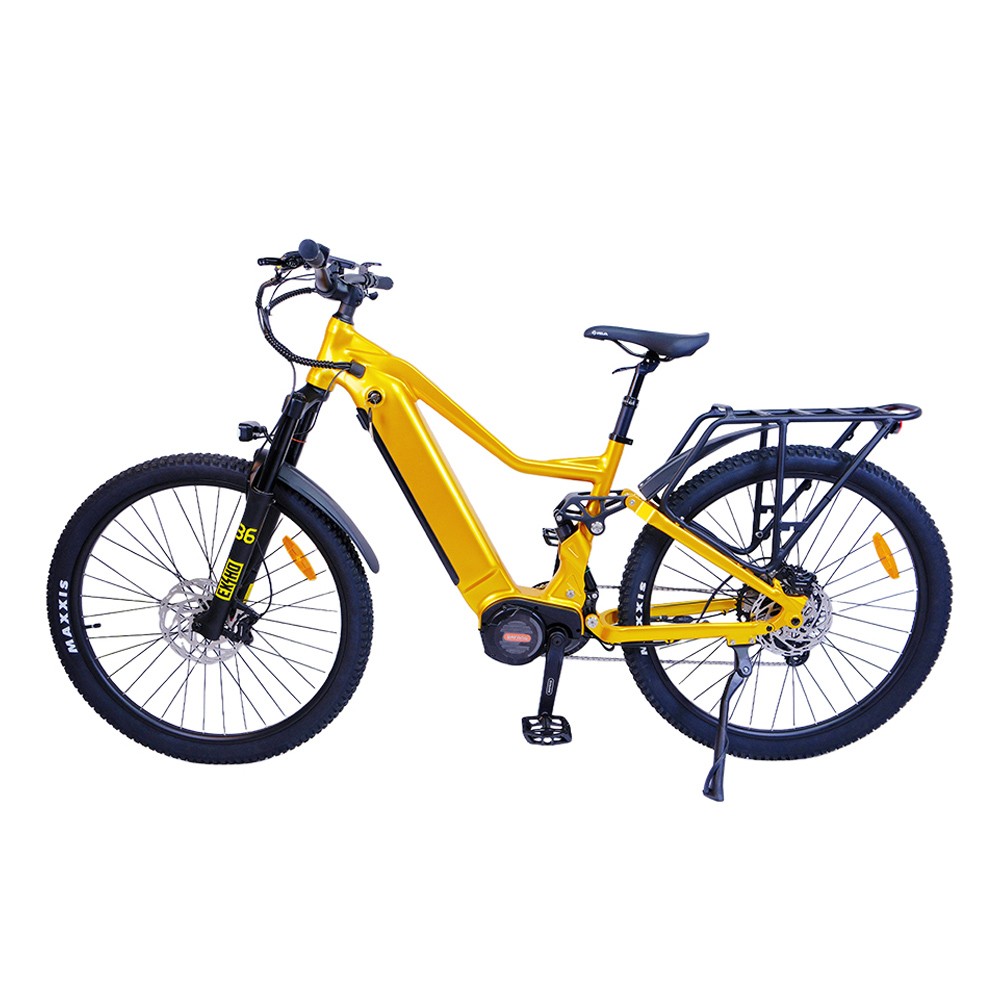
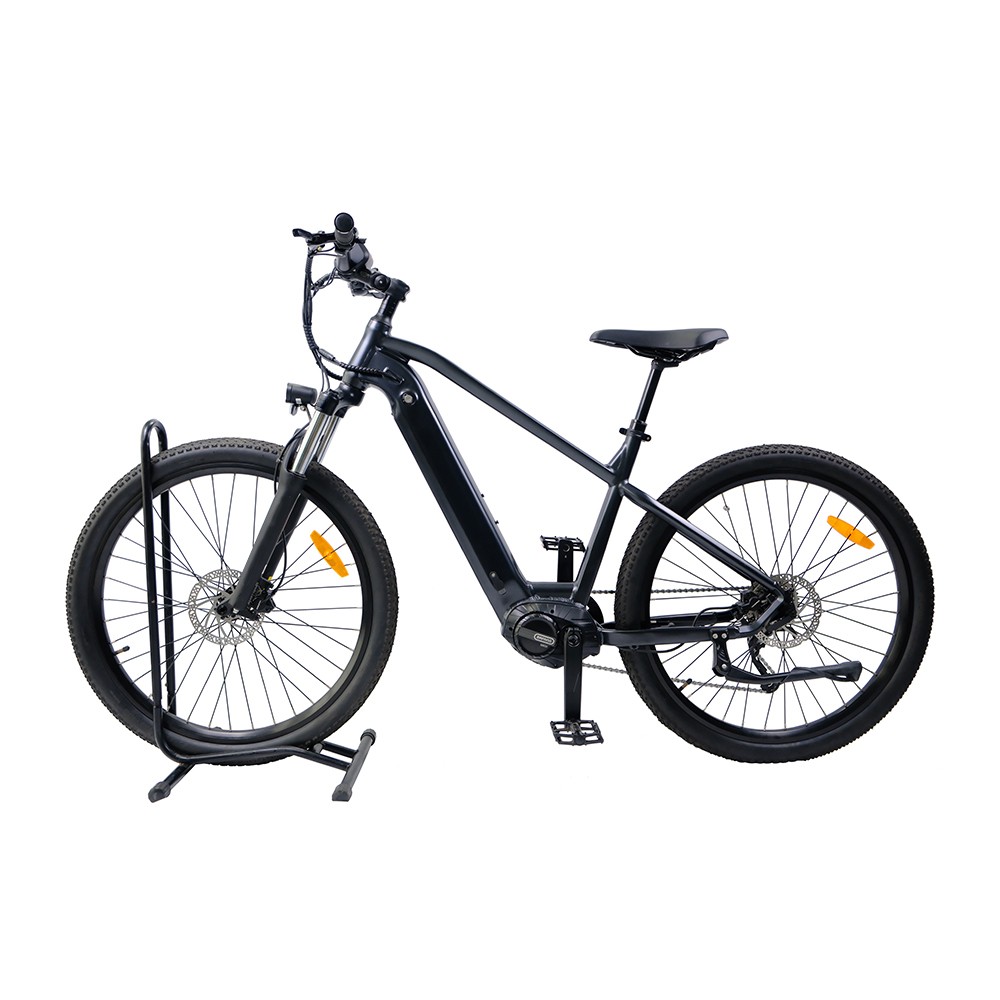
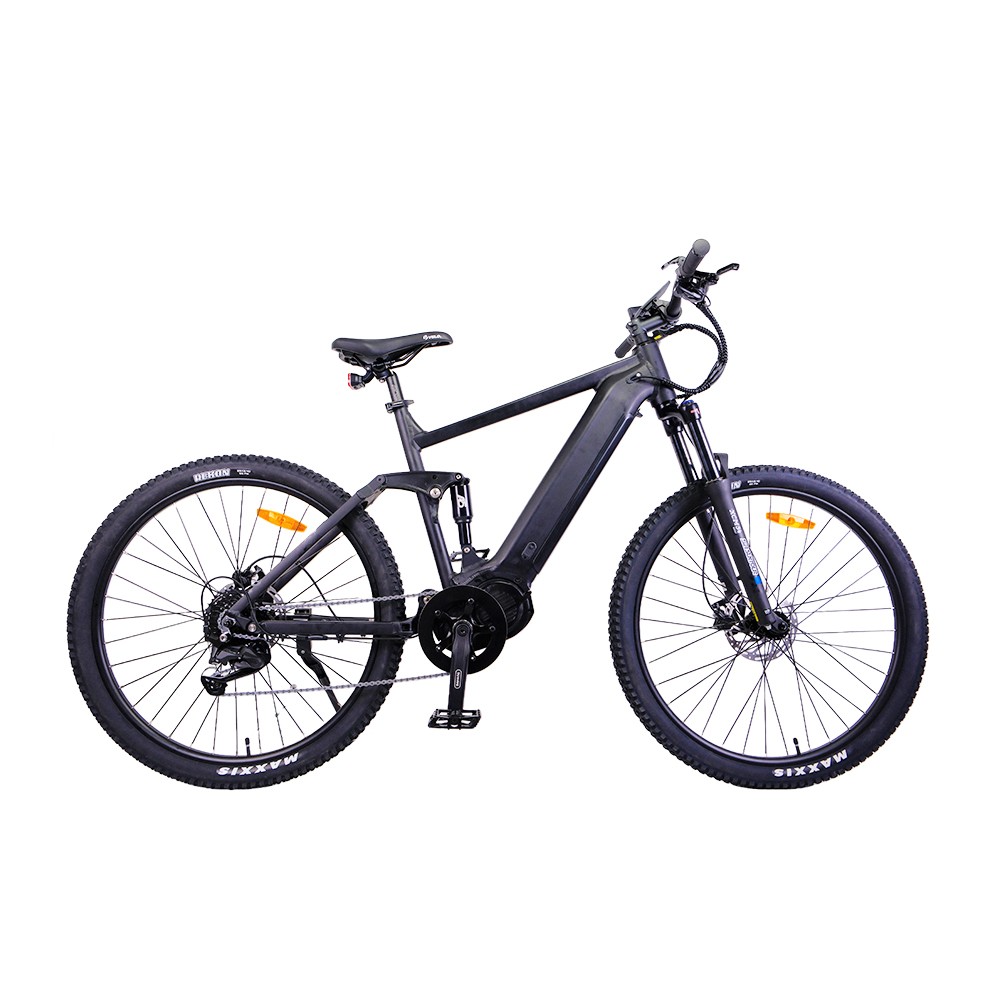
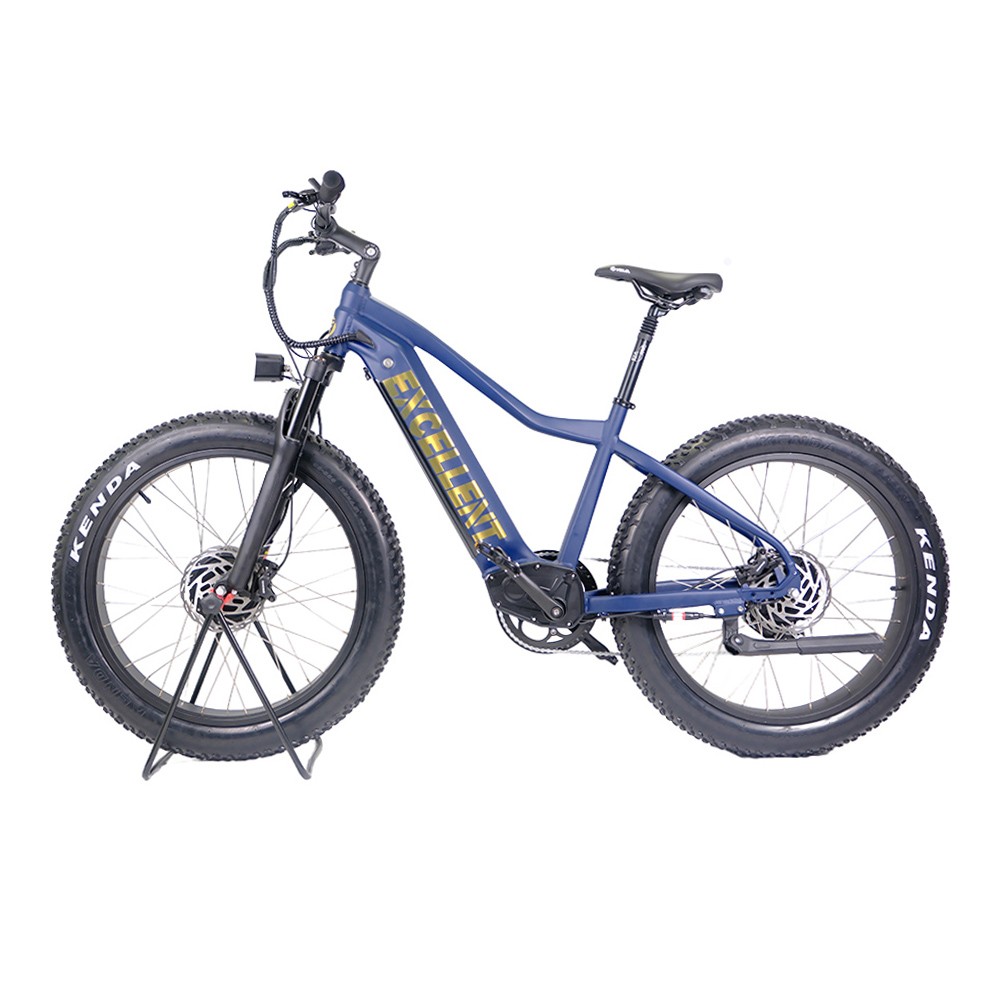
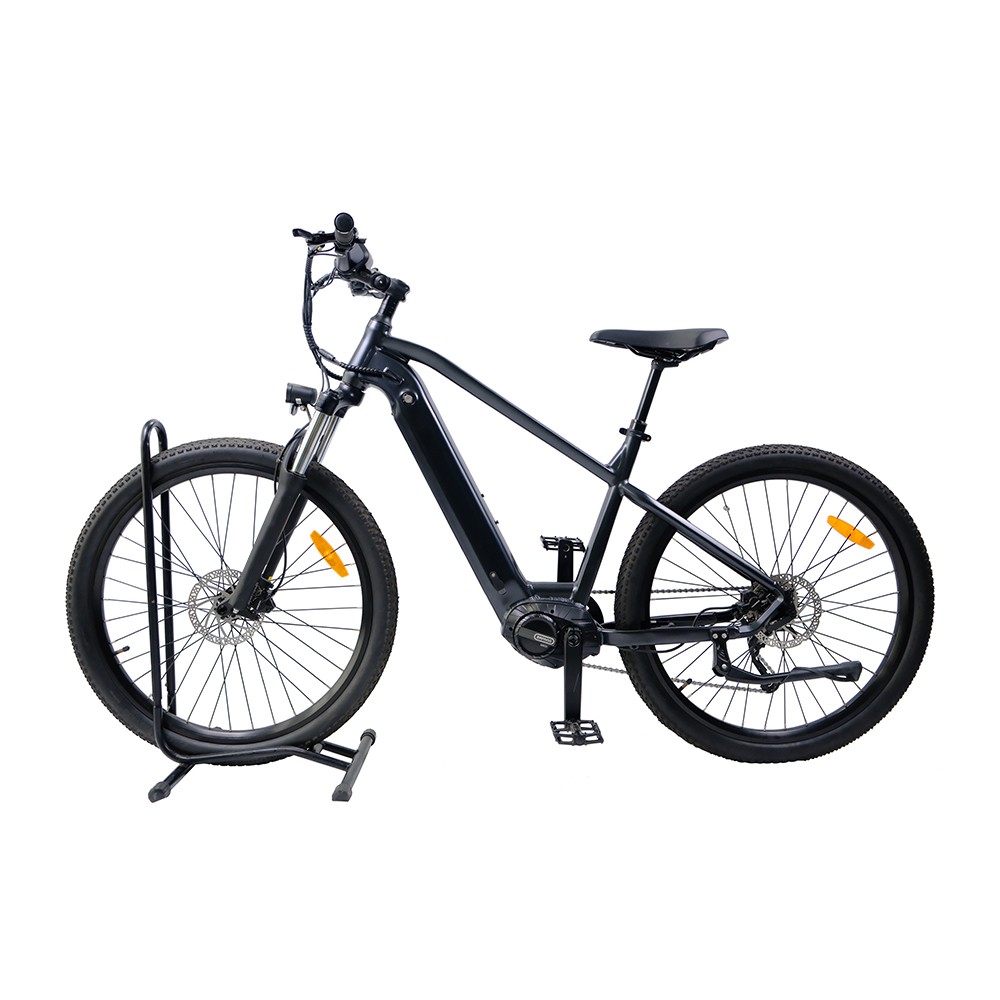
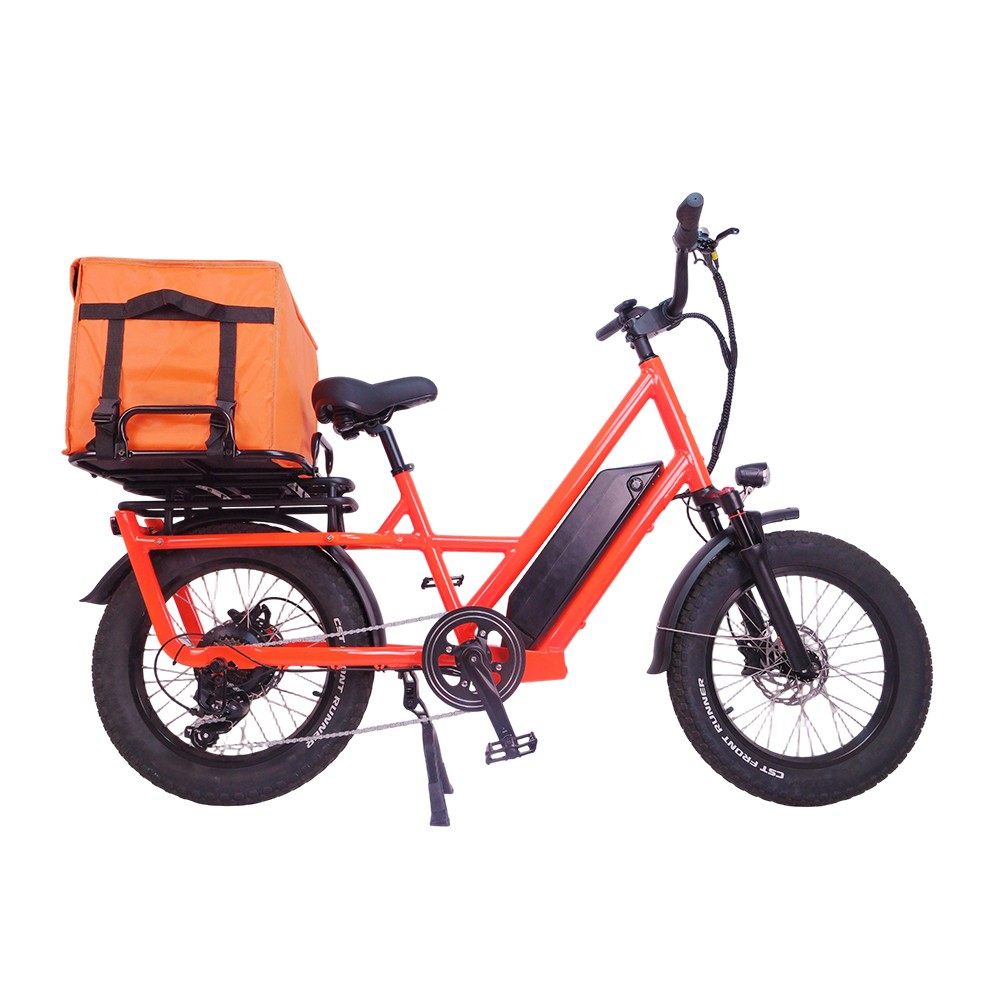
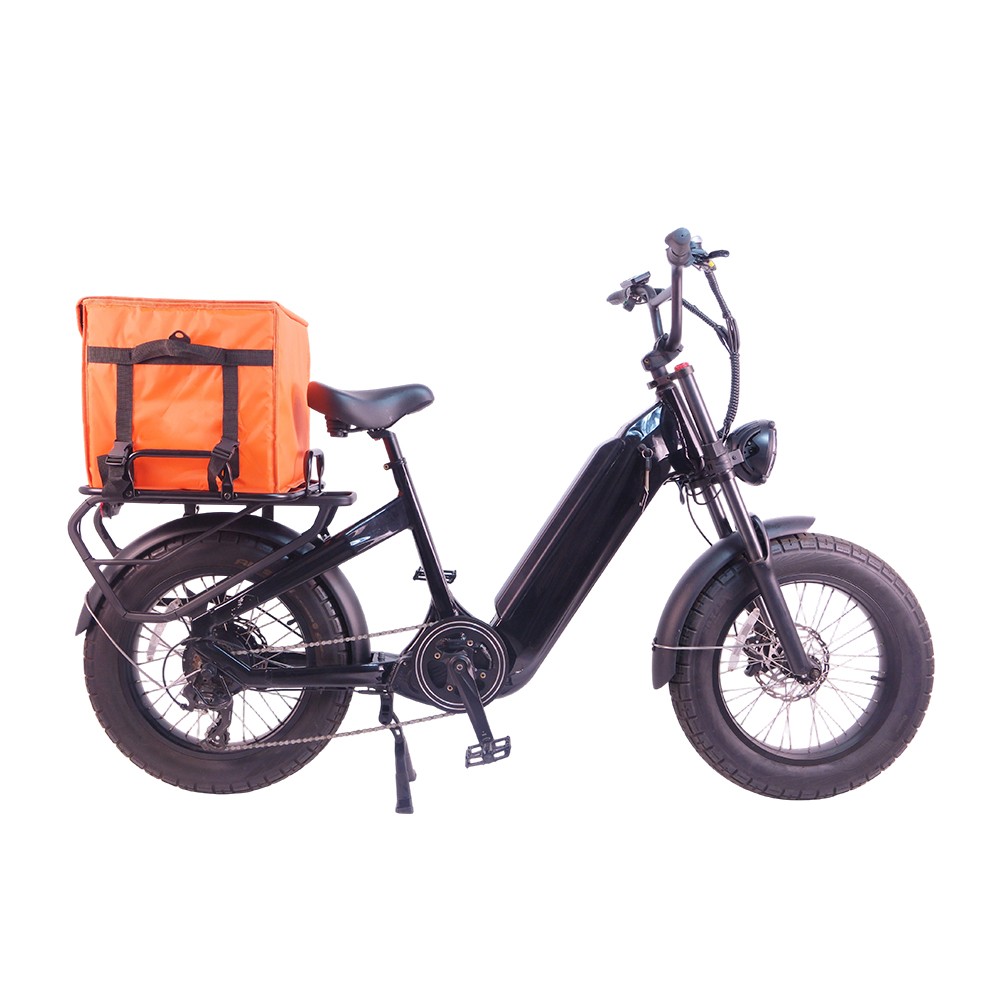
Consumer e-bikes will rapidly break down under rental conditions. You must source purpose-built, commercial-grade hardware.
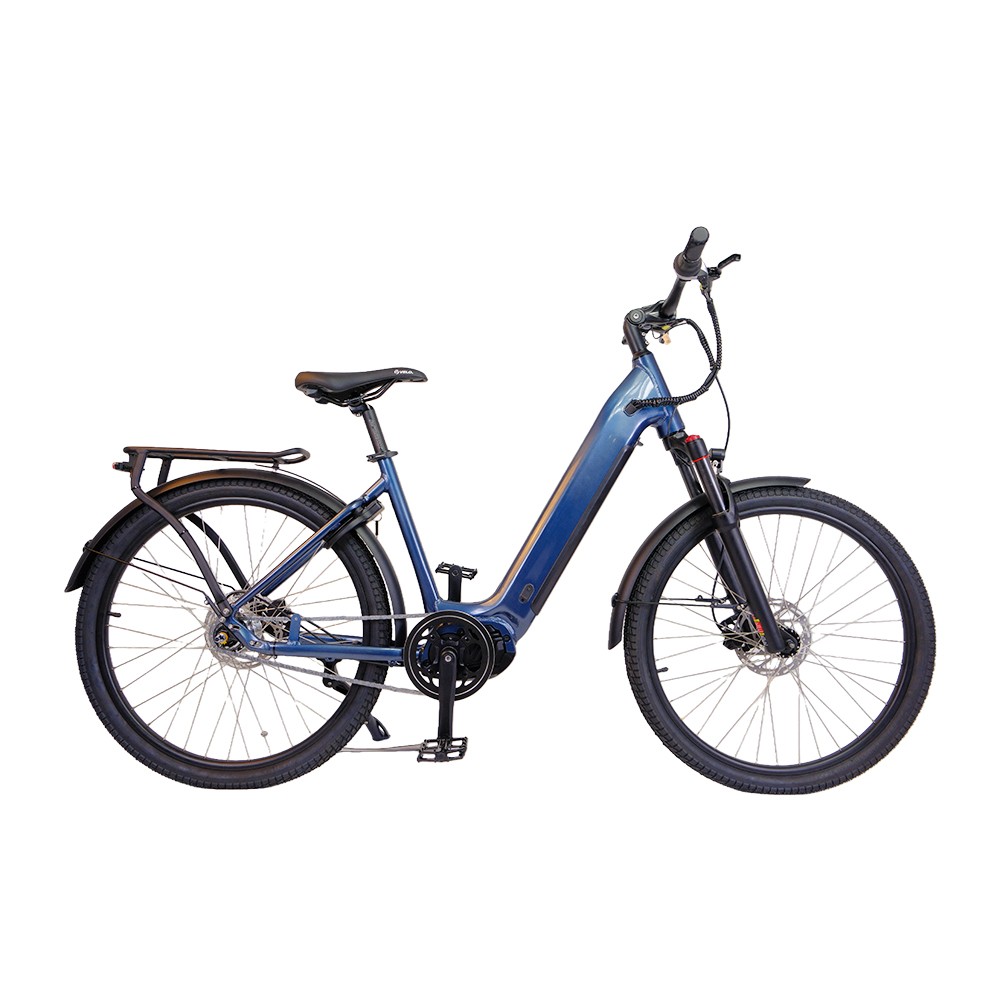
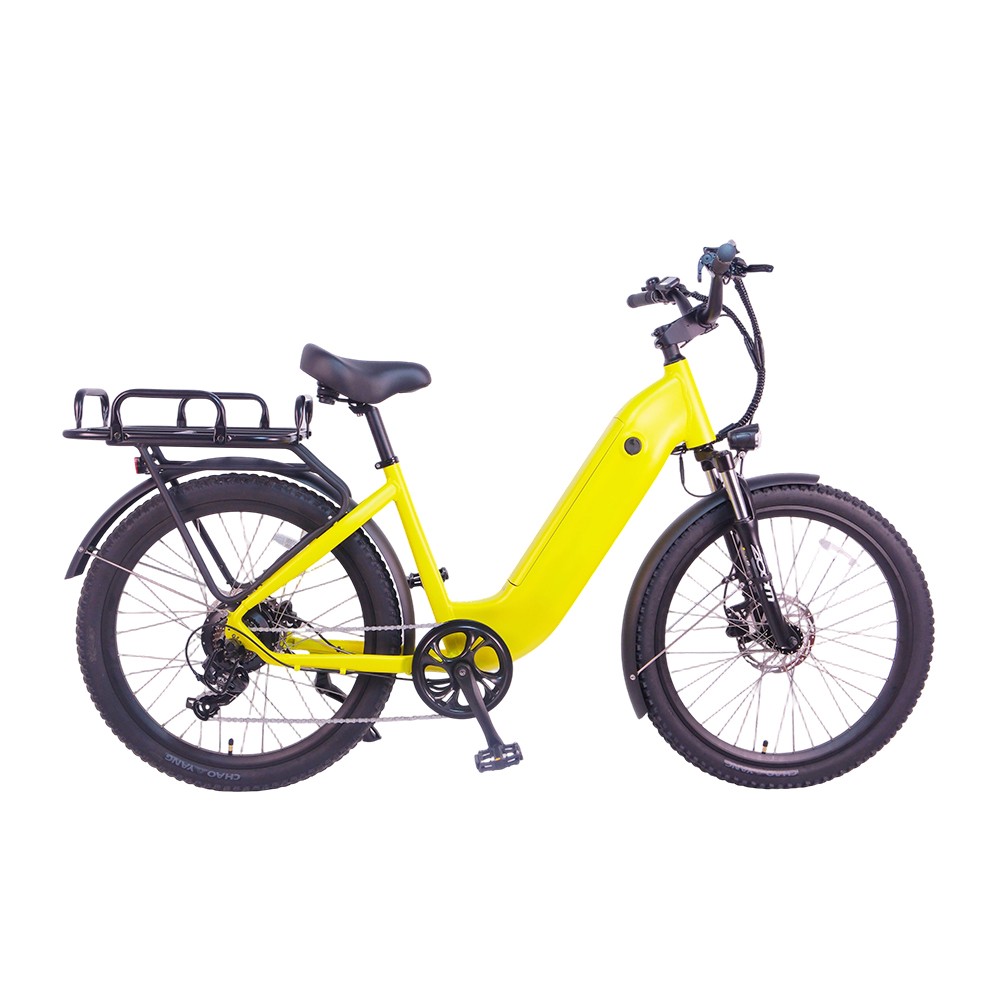
· Select step-through frames: Accommodates the widest demographic of rider heights and physical abilities.
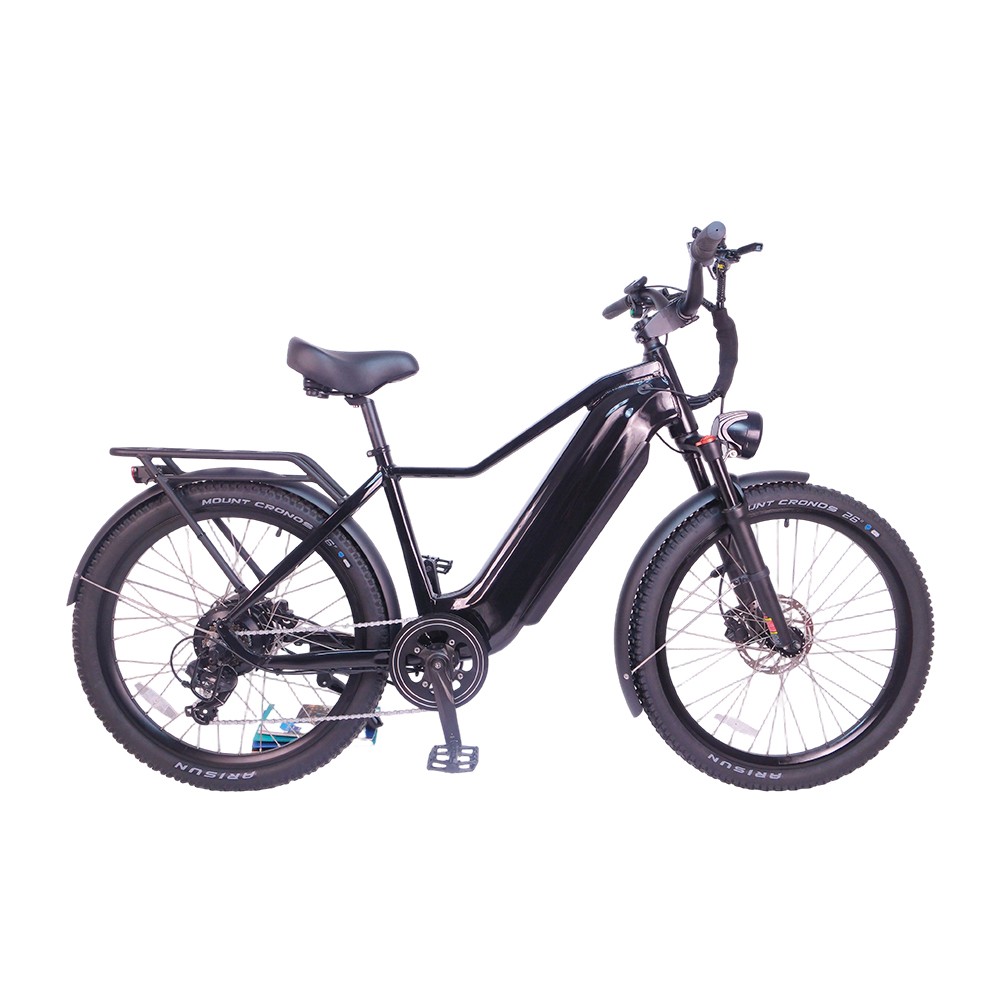
· Prioritize robust components: Choose bikes with hydraulic disc brakes, puncture-resistant tires, and internal cable routing.
· Implement swappable batteries: Keeps your chassis in circulation while depleted batteries charge at your base.
· Install commercial GPS: Embed hidden, hardwired IoT trackers into the frame to monitor location and prevent theft.
3. Establish Operations and Tech Stack
Your daily workflow relies on automated software to track inventory, process payments, and manage digital waivers.
· Deploy rental software: Use platforms like Bikeshare Rider App or BRM (Bike Rental Manager) to automate bookings and security deposits.
· Choose an operational model:
o Hub-based: Riders pick up and return bikes to a physical storefront or smart docking station.
o Dockless/Free-floating: Riders drop bikes anywhere within a geofenced zone via an app lock.
o In-house:Pick up and return bikes to appointed stores,where the staffs will take care of the maintaining
· Digitize legal liability: Require every rider to sign a digital liability waiver via your app before unlocking a bike.
4. Navigate Local Regulations and Permits
Municipalities heavily regulate micromobility to prevent sidewalk crowding and ensure rider safety.
· Apply for a business license: Register with your city hall and state department of revenue for tax collection.
· Secure encroachment permits: Required if you plan to place physical rental docks or kiosks on public sidewalks.
· Define geofenced boundaries: Work with local transit authorities to establish mandatory parking zones and automatic speed-cap zones.
5. Create a Preventive Maintenance Plan
Uptime directly determines your revenue. A strict maintenance protocol prevents catastrophic hardware failures.
· Schedule weekly inspections: Check spoke tension, brake pad wear, and chain lubrication every 7 operating days.
· Track battery health: Monitor charge cycle degradation using your fleet management dashboard.
Mandate torque checks: Regularly tighten structural bolts on handlebars, stems, and axles to manufacturing specifications.