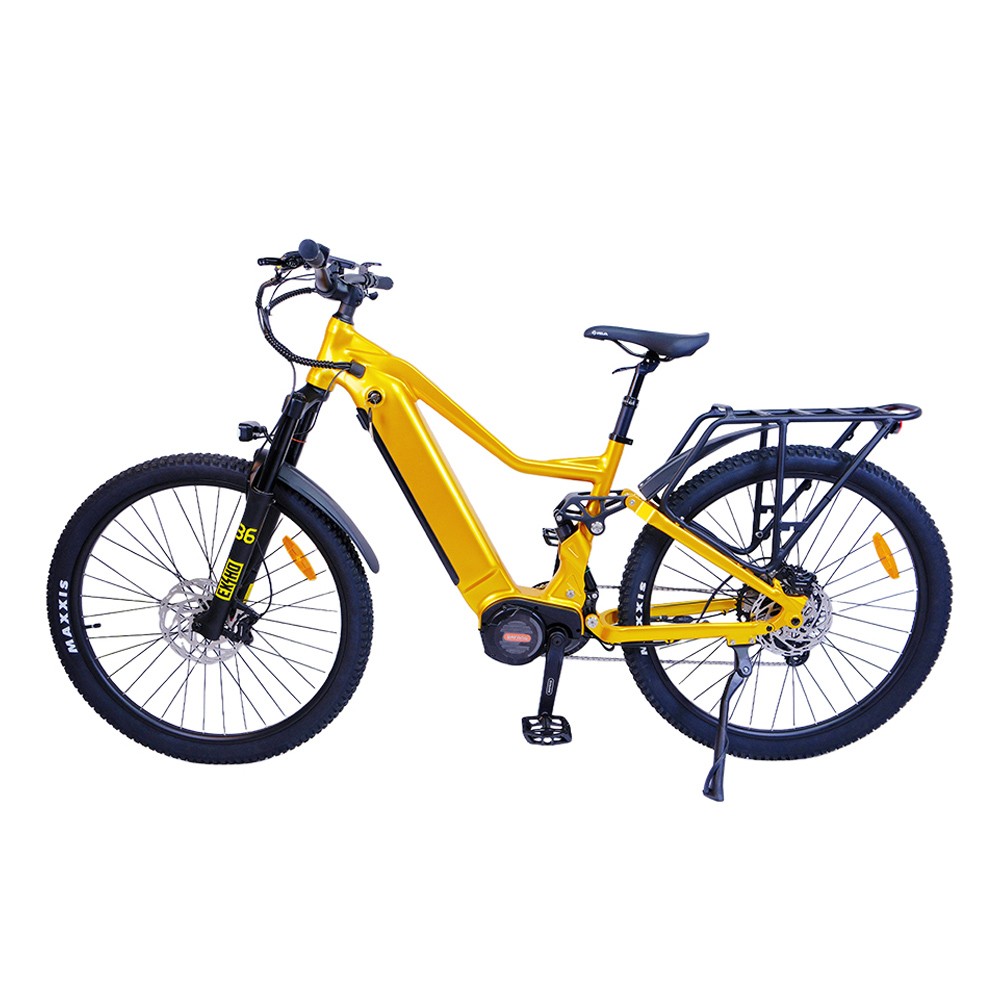
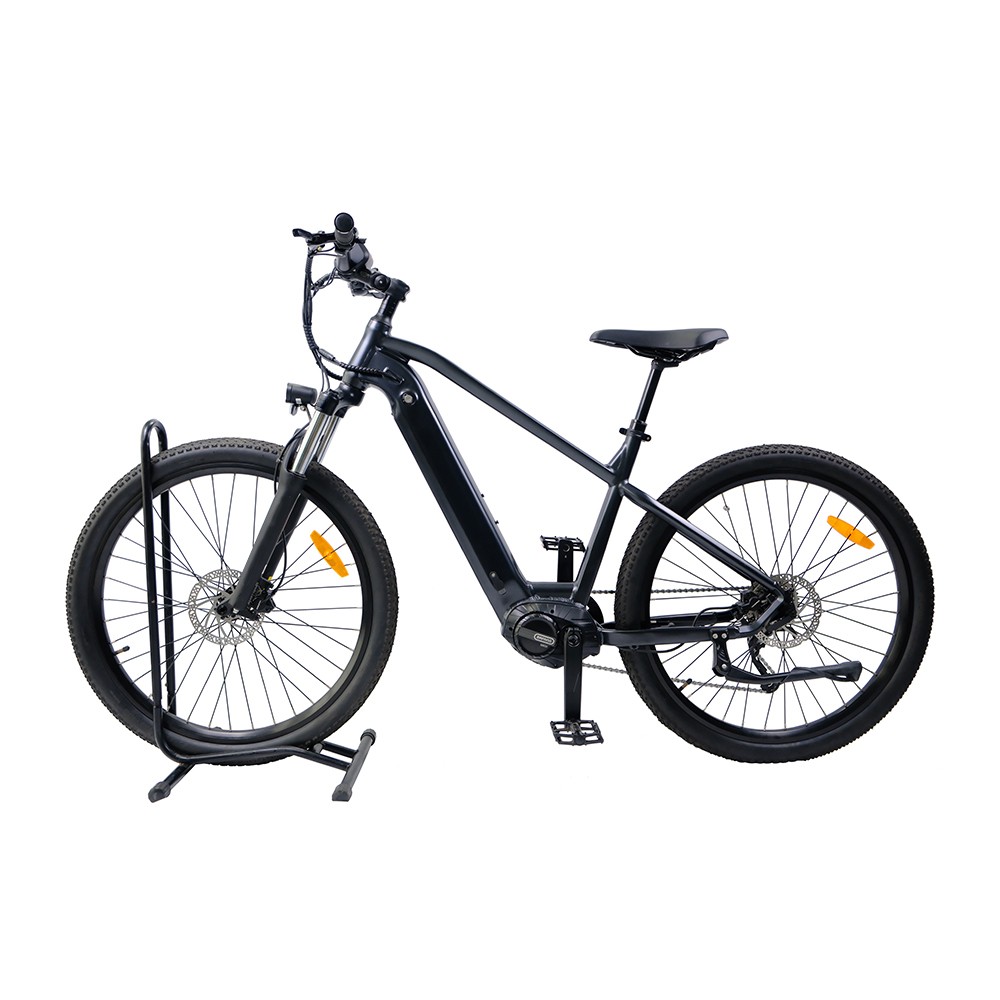
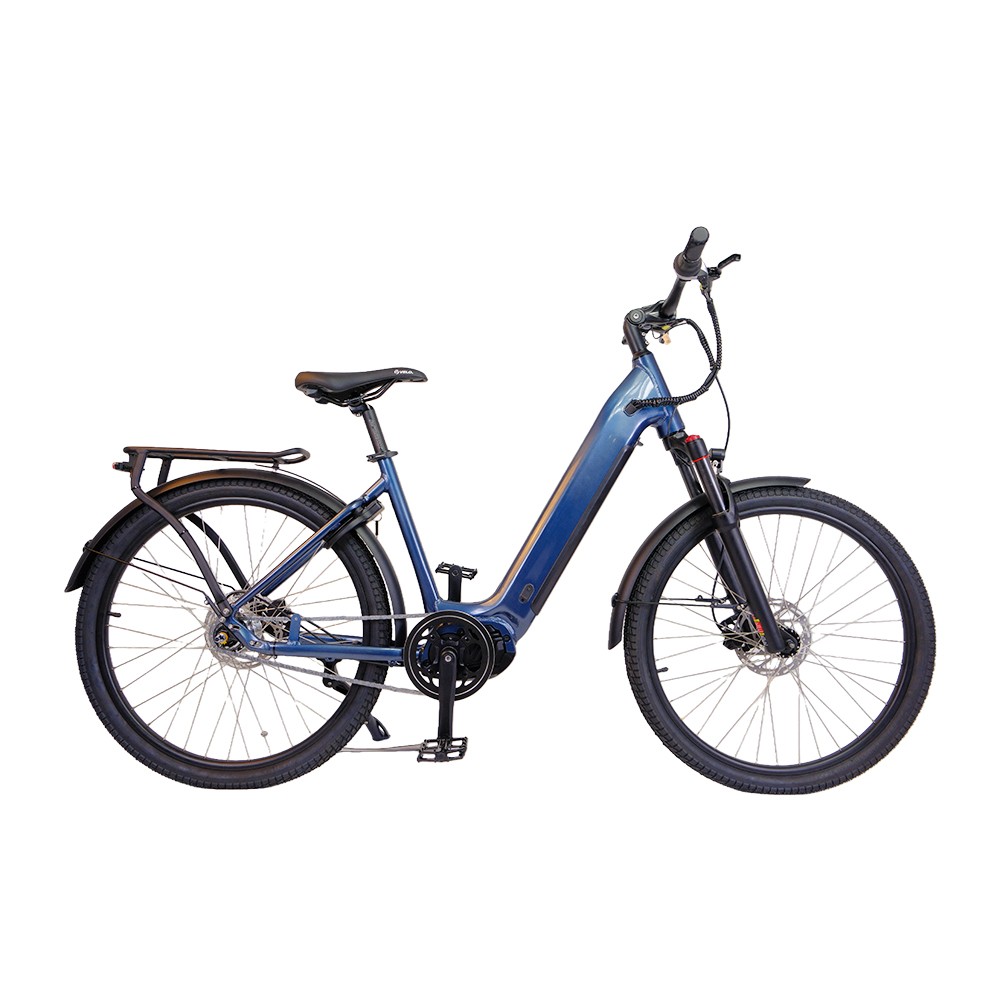
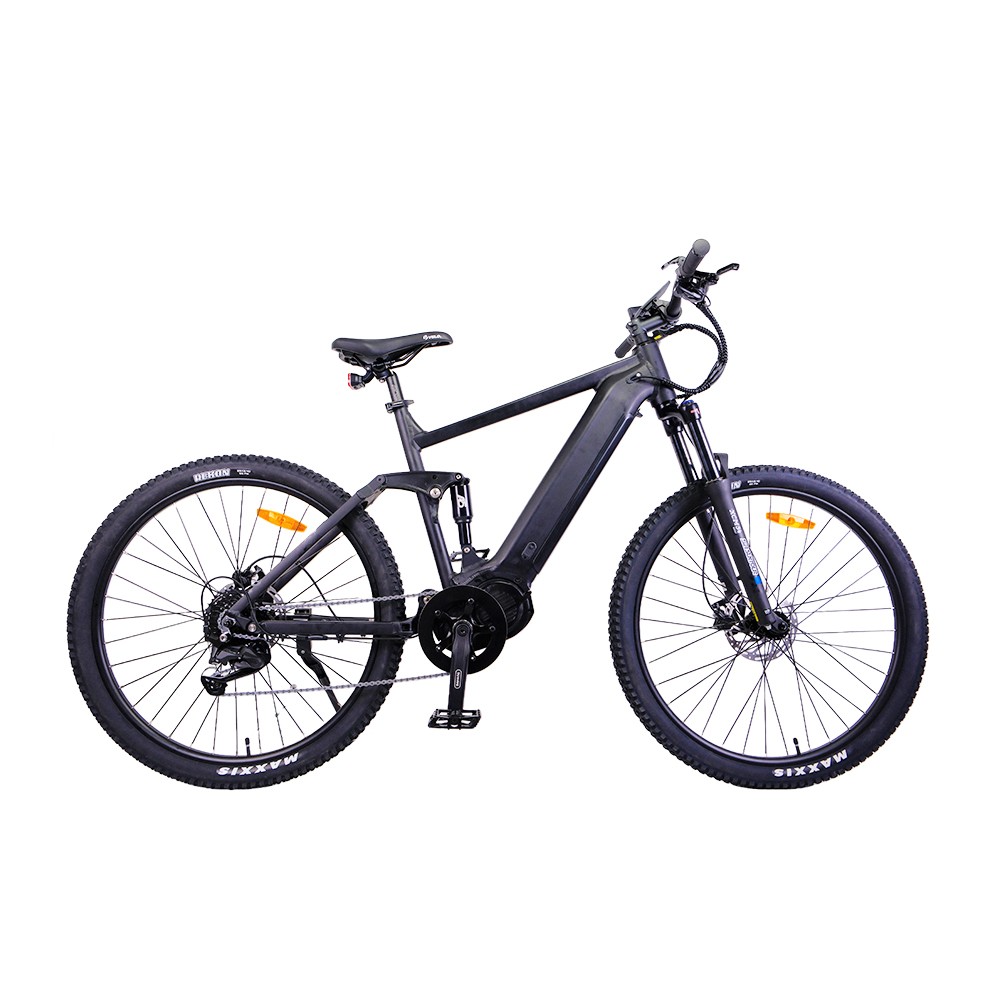


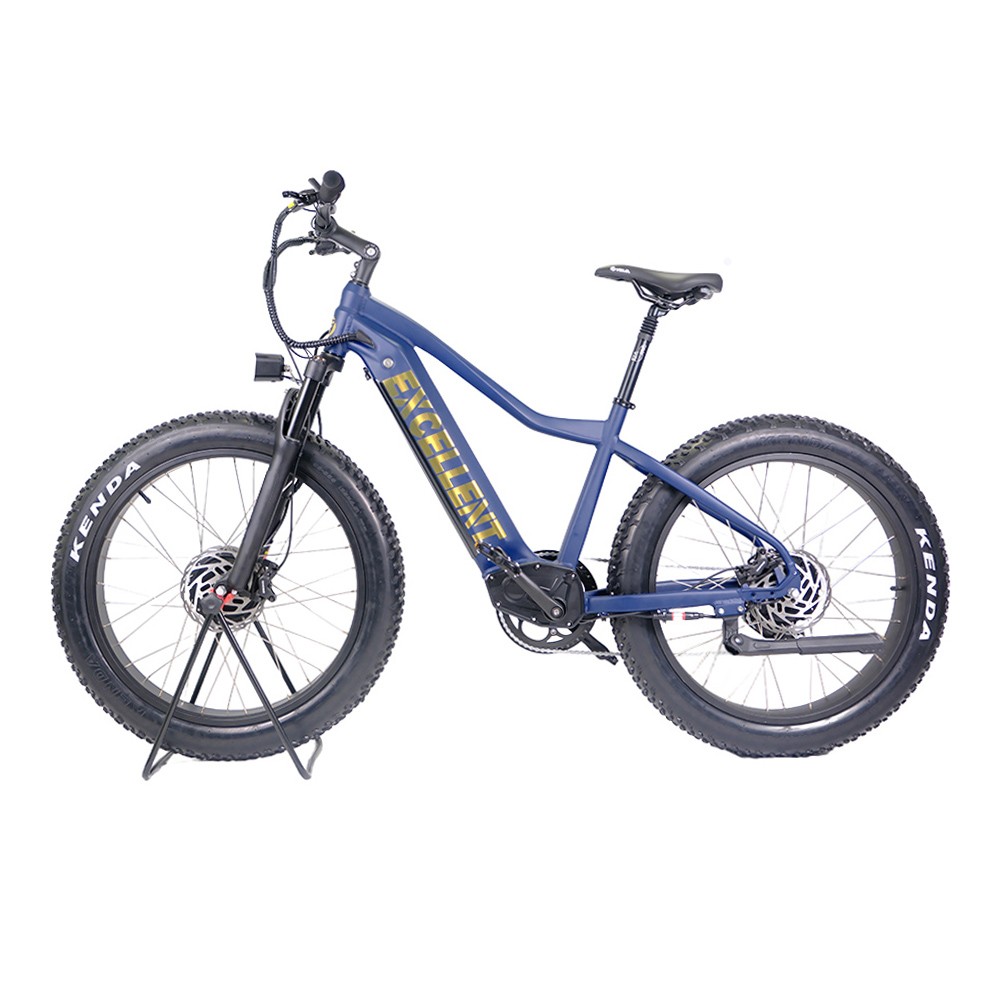


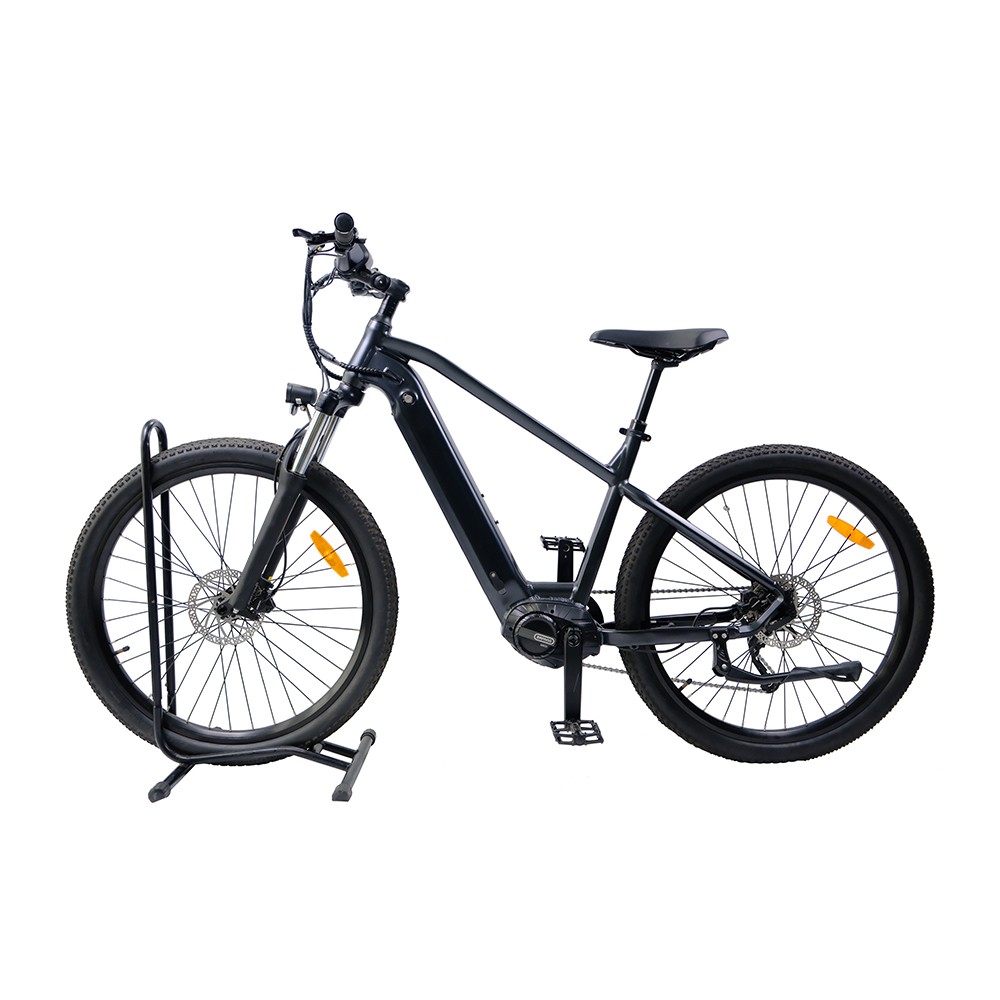
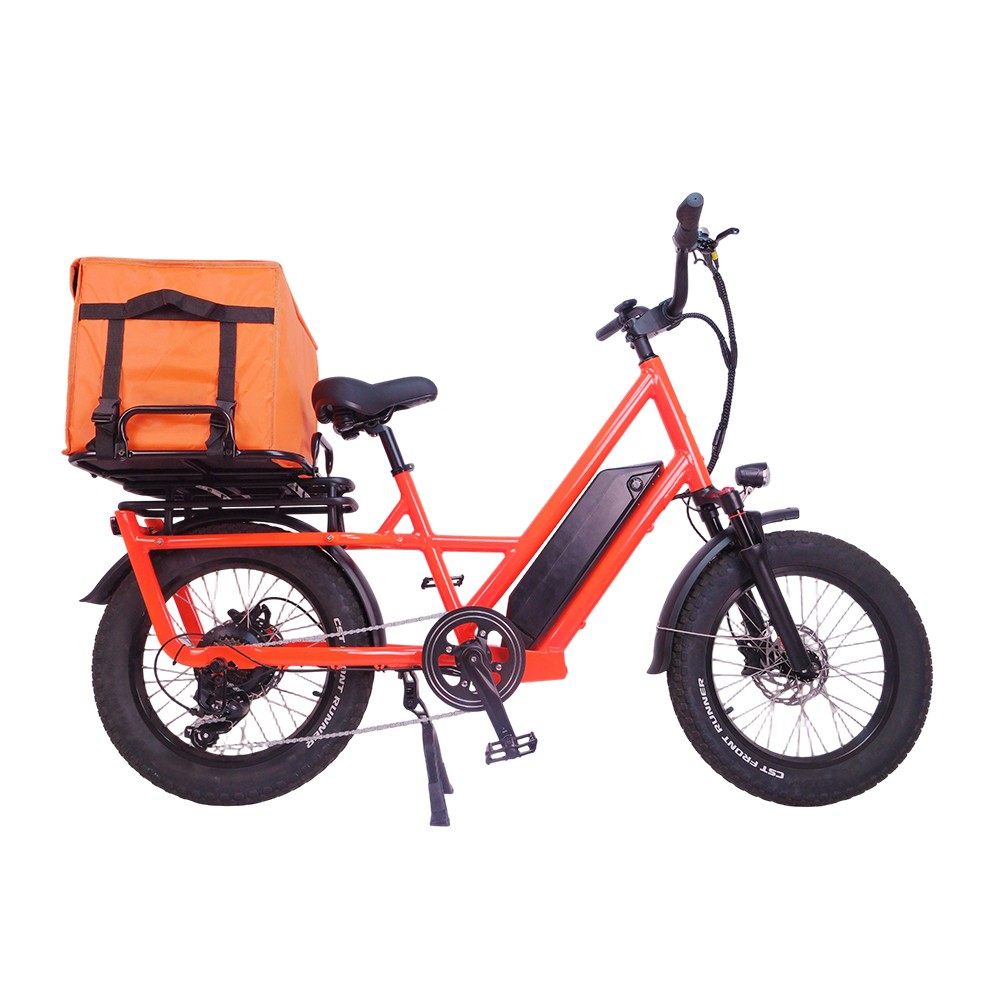
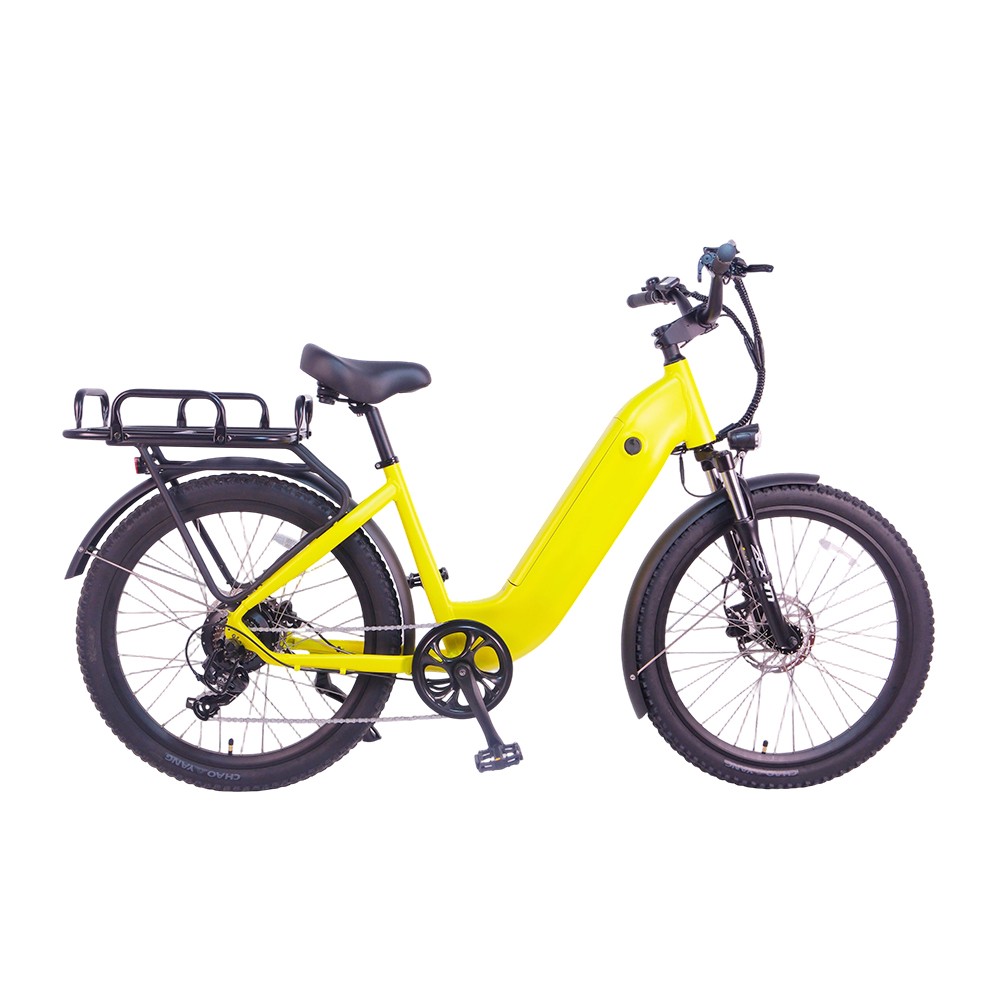
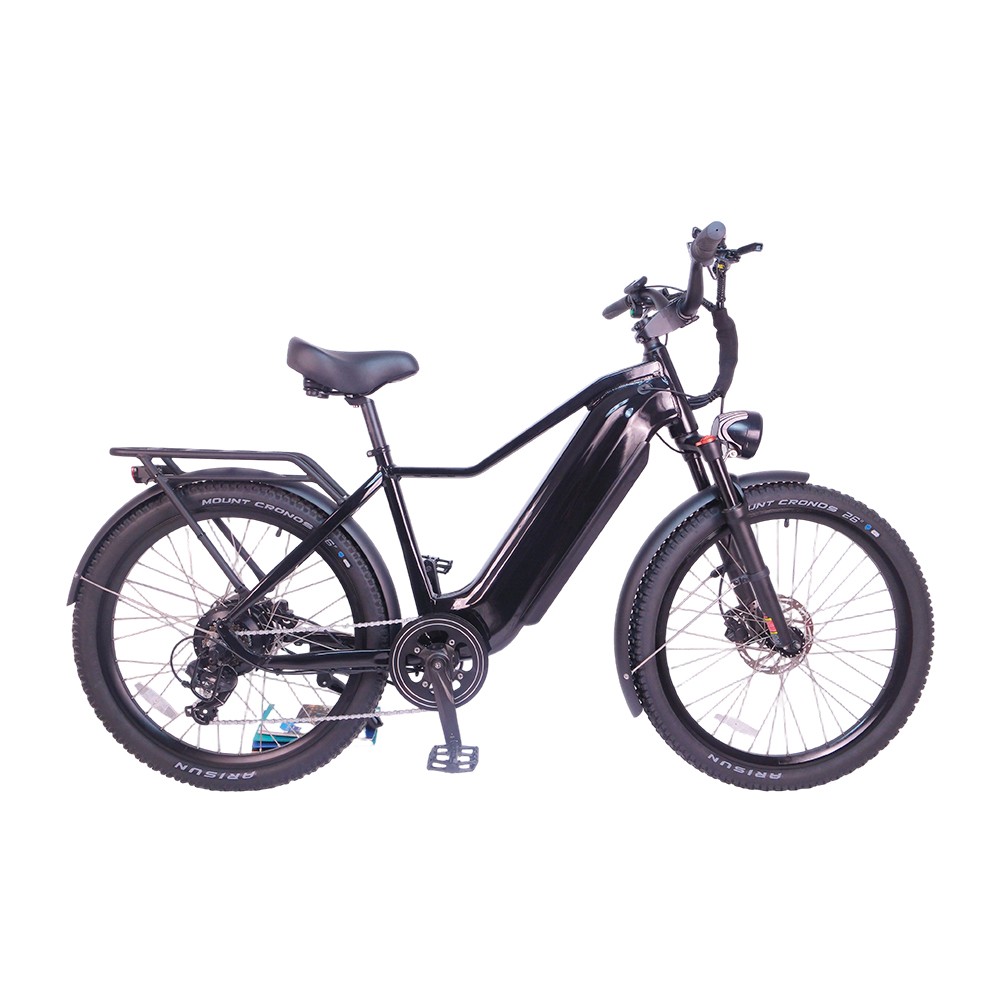
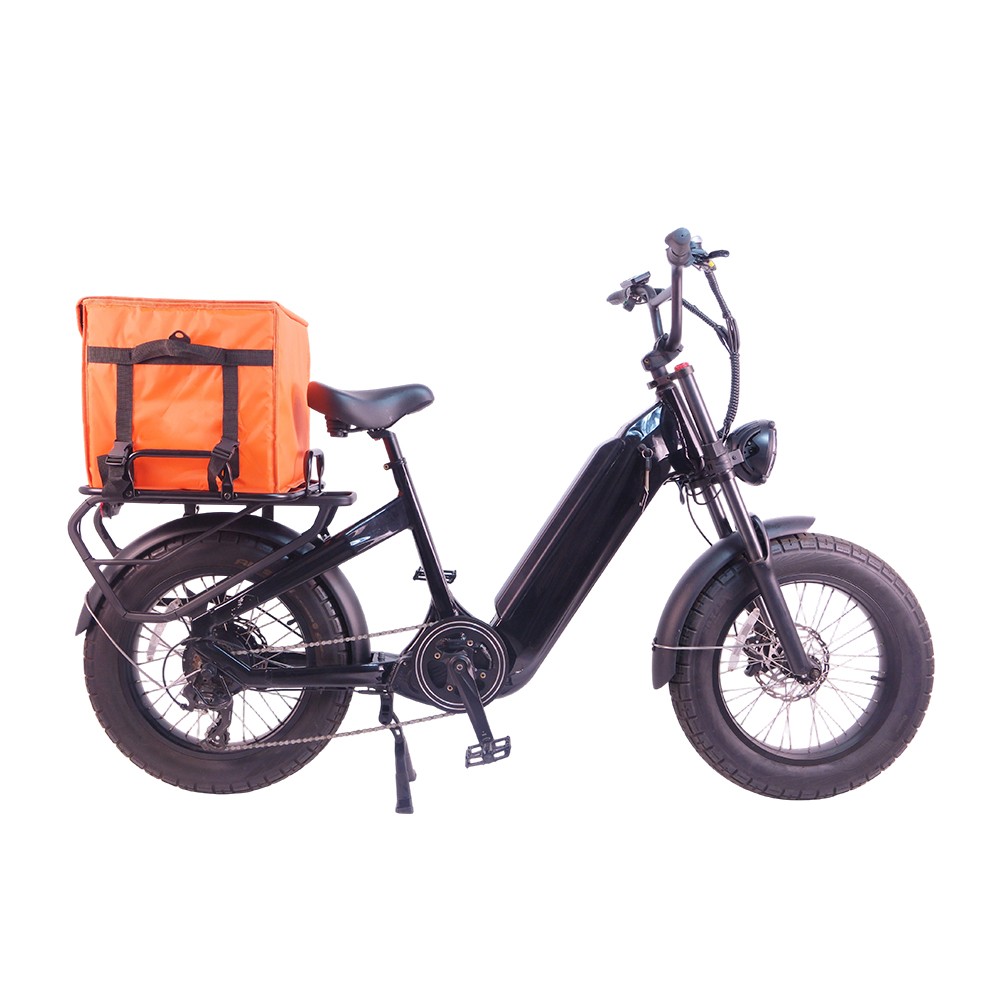
To select a reliable commercial e-bike supplier, you must prioritize factory-direct manufacturing capabilities, internationally recognized safety certifications, and robust post-sale component support over low up-front unit pricing. A poor supplier choice can lead to fleet-wide battery failures, regulatory impoundment, and catastrophic operational downtime.
1. Verify Regulatory and Safety Certifications
Never buy from a supplier that cannot provide valid, third-party lab certificates. Operating uncertified e-bikes risks heavy municipal fines, rider injuries, and denied insurance claims.
· Battery Safety: DemandUL 2271 (for batteries used in light electric vehicles) orEN 15194 (European e-bike standard). These ensure the packs won't suffer thermal runaway or catch fire during bulk charging.
· Electrical System Safety: Look forUL 2849 certification, which tests the entire electrical drivetrain system (motor, controller, charger, and battery) for holistic safety.
· Local Compliance: Ensure the factory can configure the motor wattage, maximum speed limits, and throttle configurations to perfectly match your local jurisdiction’s legal definitions (e.g., Class 1, 2, or 3 in the US, or 250W/25km/h limits in the EU).
2. Assess Manufacturing and Quality Control (QC)
A reliable supplier operates as an established Original Equipment Manufacturer (OEM) or Original Design Manufacturer (ODM), not a middleman trading company.
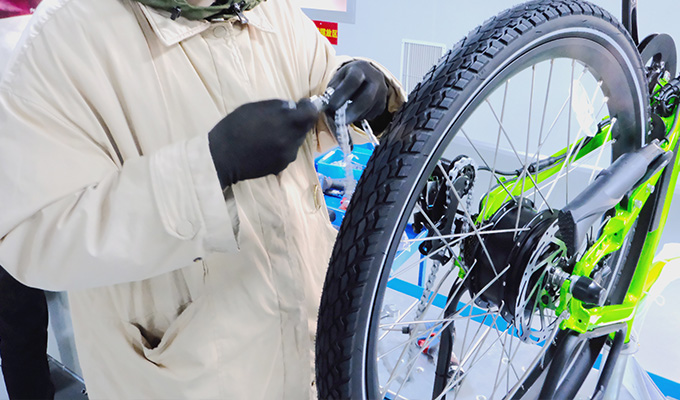
· On-Site QC Testing: Ask for video proof or documentation of their testing facilities. Reliable factories perform automated vibration testing, salt-spray anti-corrosion testing, frame fatigue tests, and water-resistance testing (minimumIPX5 rating for electronics).
· Component Traceability: Top-tier suppliers use branded, traceable internal components rather than unbranded alternatives. Ensure they build with reputable names like Bosch eBike Systems, Bafang Motors, Shimano, Tektro, and LG or Samsung battery cells.
· Audit Transparency: A reputable supplier will readily accept third-party factory audits (like SGS or TÜV Rheinland) arranged by your business before you sign a production contract.
3. Evaluate Supply Chain and Parts Support
Your fleet is only as good as your ability to fix it. A low initial bike cost means nothing if a broken €5 custom sensor takes three months to ship from overseas.
· SLA on Spare Parts: A commercial-grade contract must include a Service Level Agreement (SLA) guaranteeing the availability and shipping timelines of proprietary spare parts (like frames, controllers, and wiring harnesses) for at least 3 to 5 years after production ends.
· Open Architecture vs. Proprietary Parts: Prefer suppliers that design around standardized components. If the tires, spokes, brake pads, and handlebars are standard bike shop sizes, your local field mechanics can source replacements instantly without waiting on international freight.
· Diagnostic Software Access: Ensure the supplier provides proprietary CAN-bus diagnostic software and hardware tools so your maintenance team can read error codes, flash firmware, and troubleshoot electrical faults in-house.
4. Inspect Commercial Track Record and Financial Health
· Fleet Experience: Ask for references or case studies of their e-bikes currently in use by other logistics firms, rental businesses, or corporate fleets. Shared-use and delivery environments punish hardware much harder than consumer use.
· MOQ and Scalability: Balance their Minimum Order Quantity (MOQ) with your expansion plans. A reliable partner can handle an initial small pilot batch (e.g., 10–50 units) but possesses the factory capacity to scale to hundreds of units when you choose to expand.