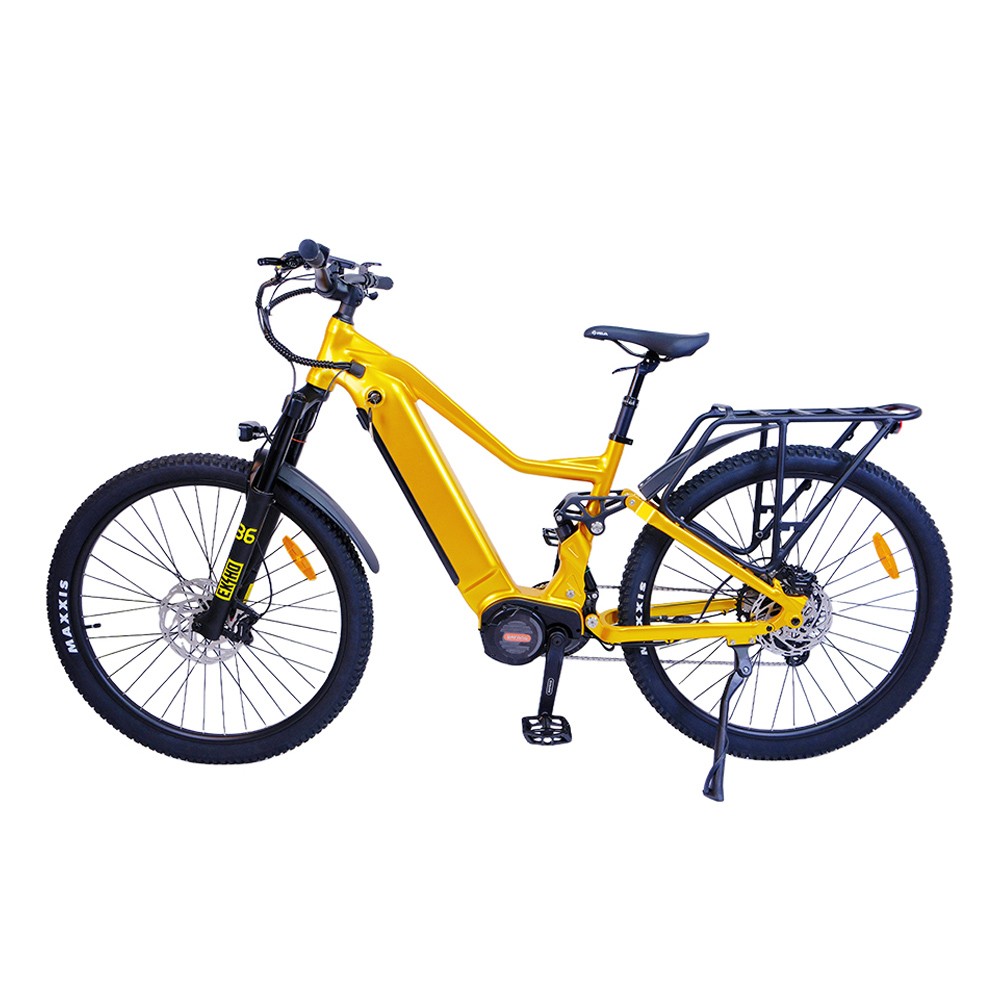
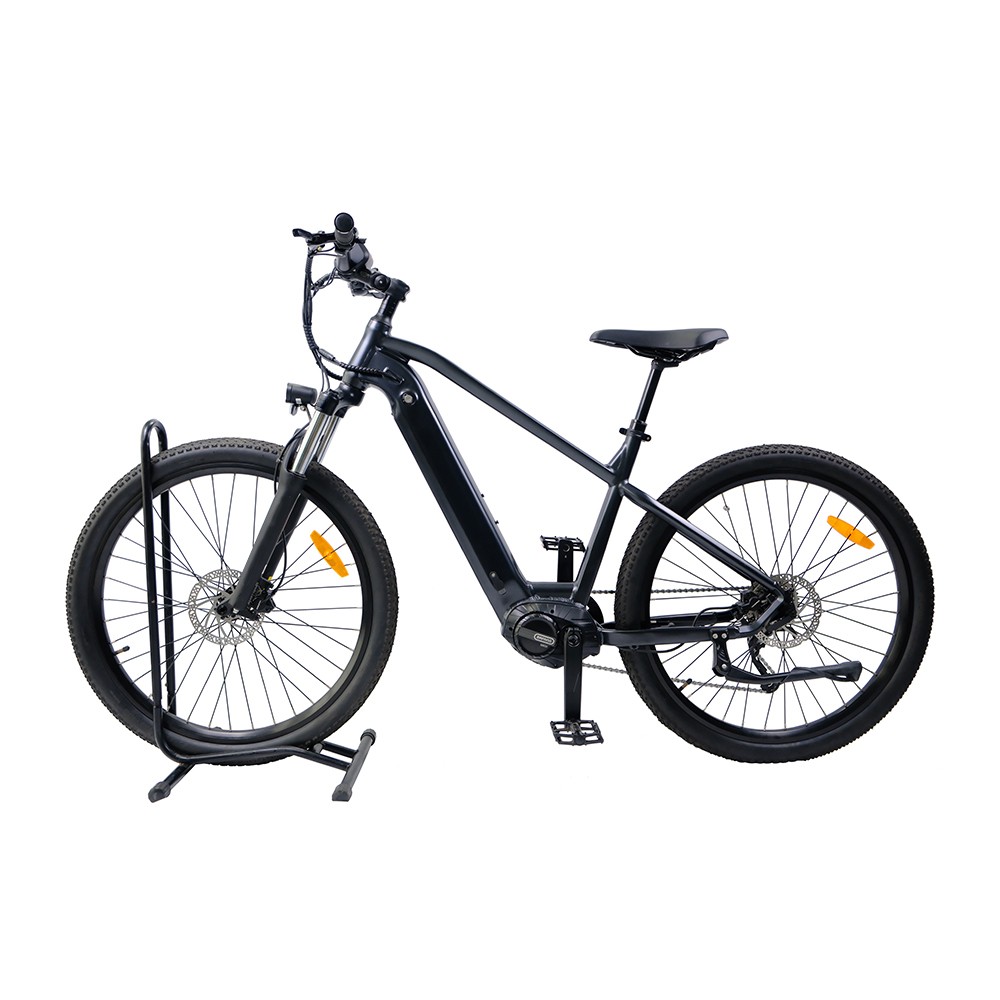
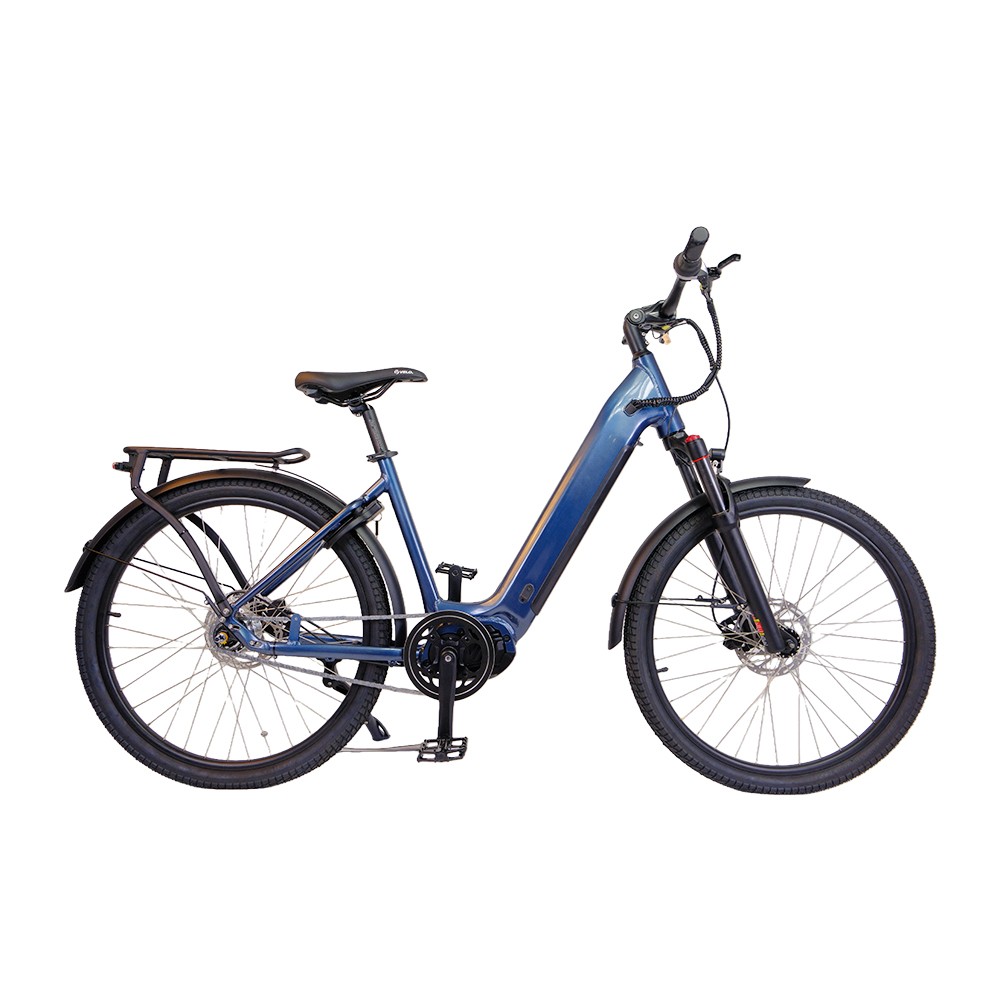
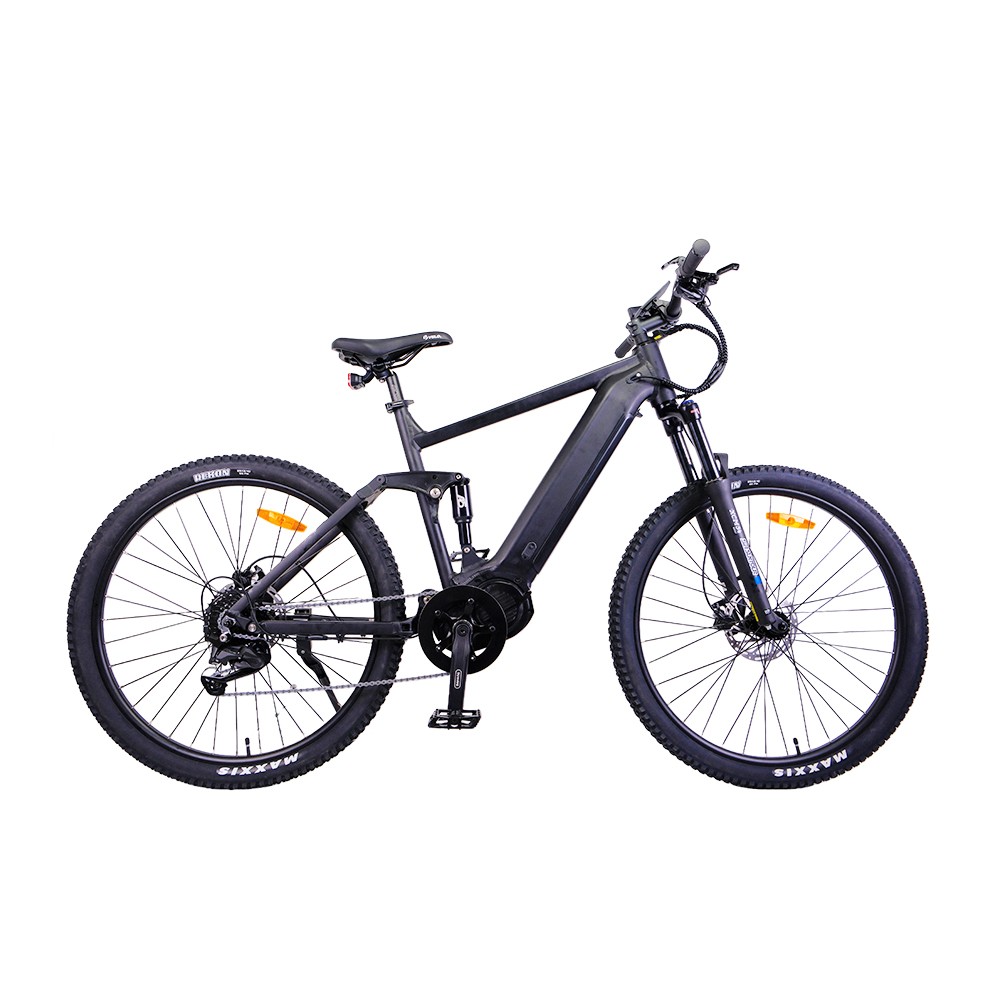


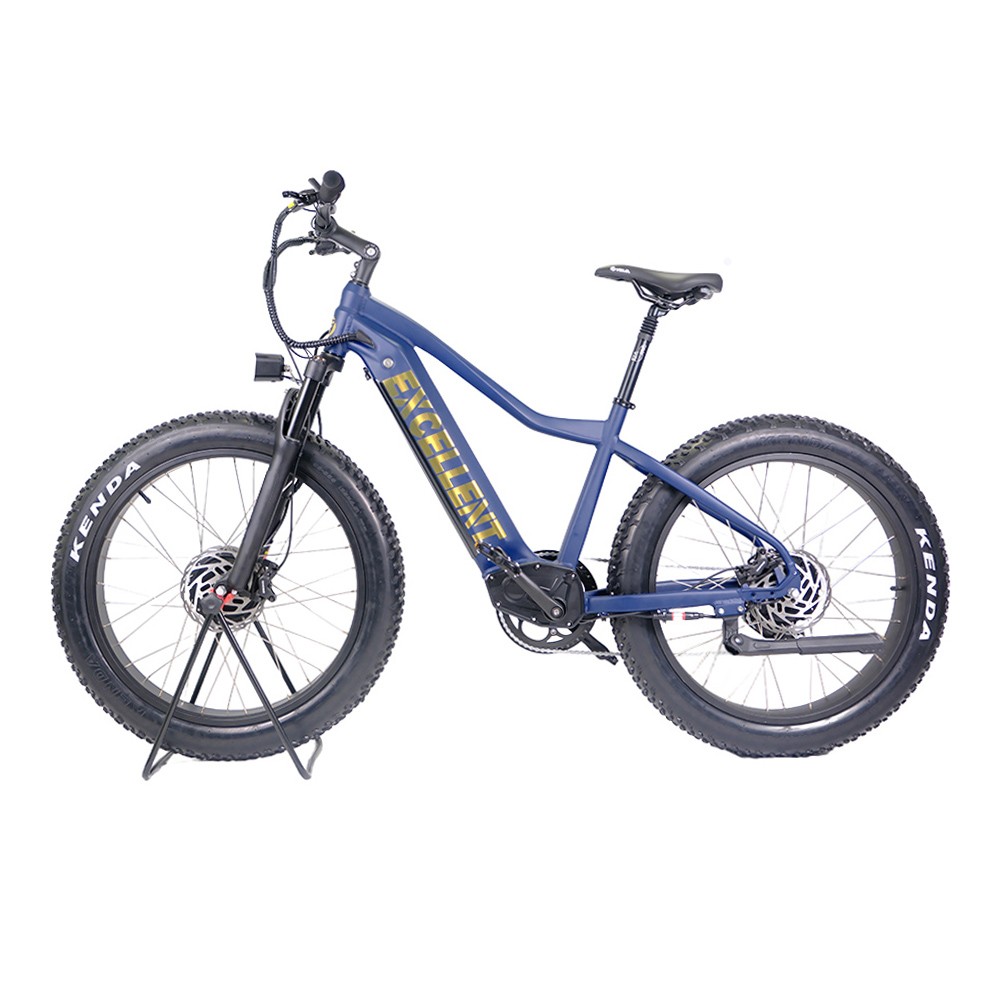


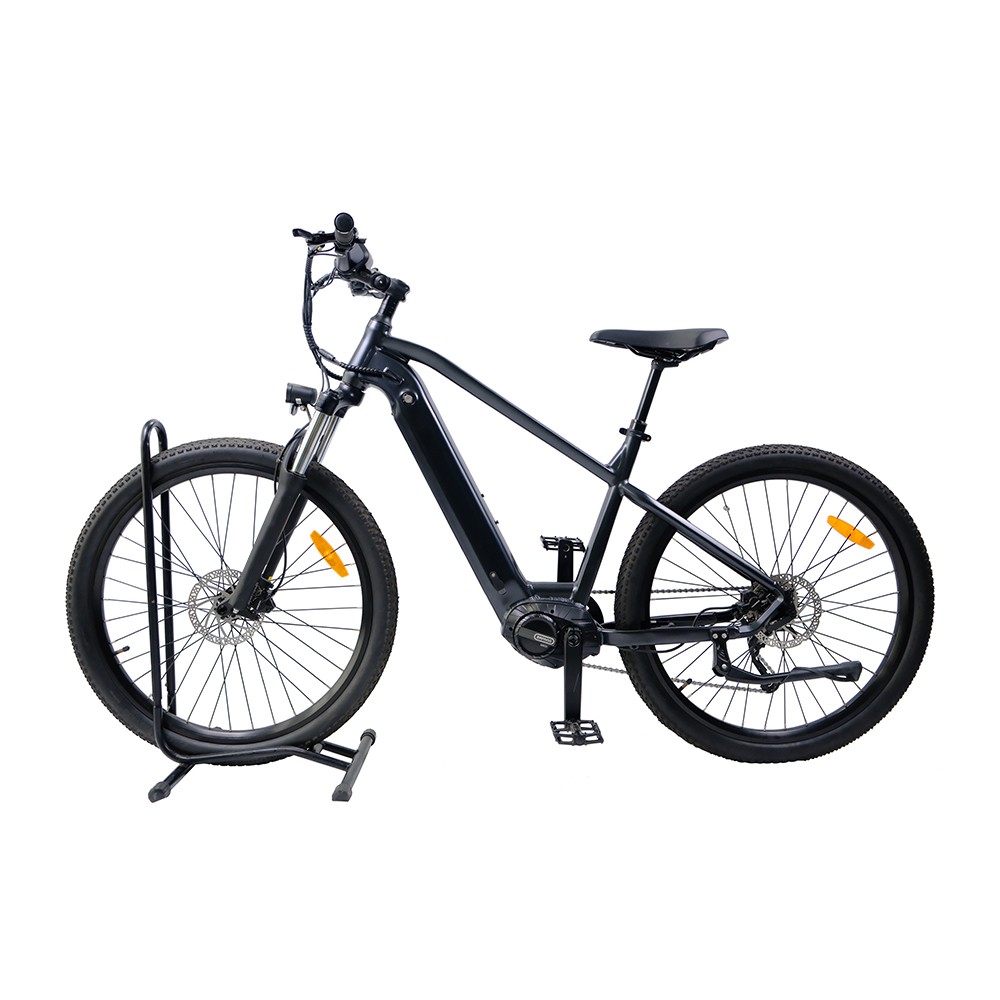
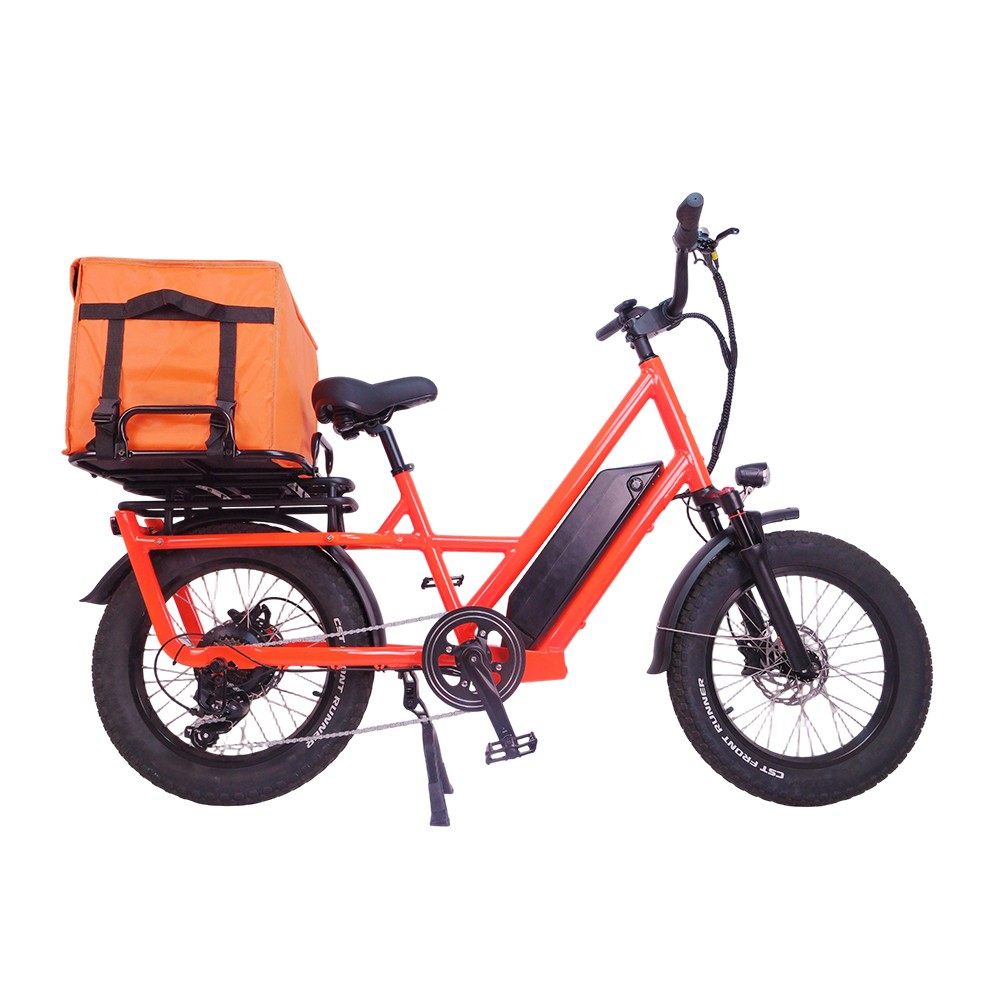
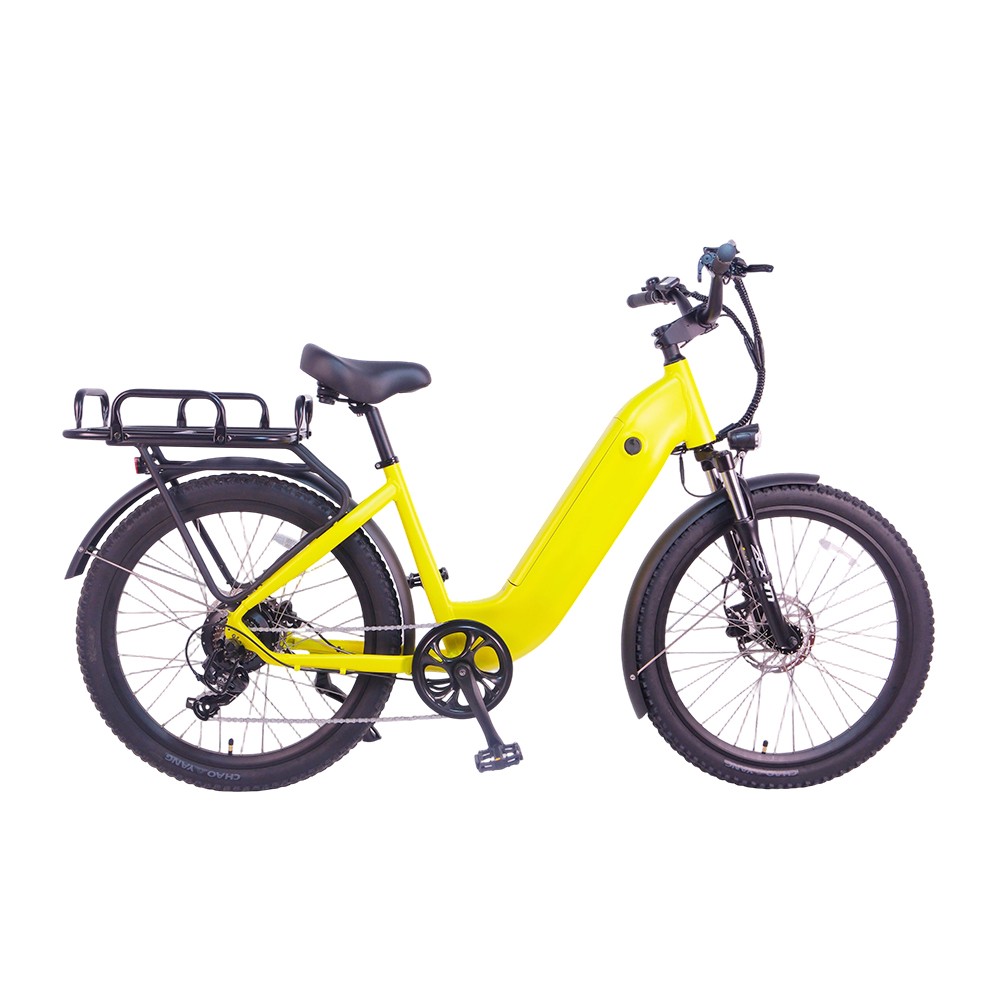
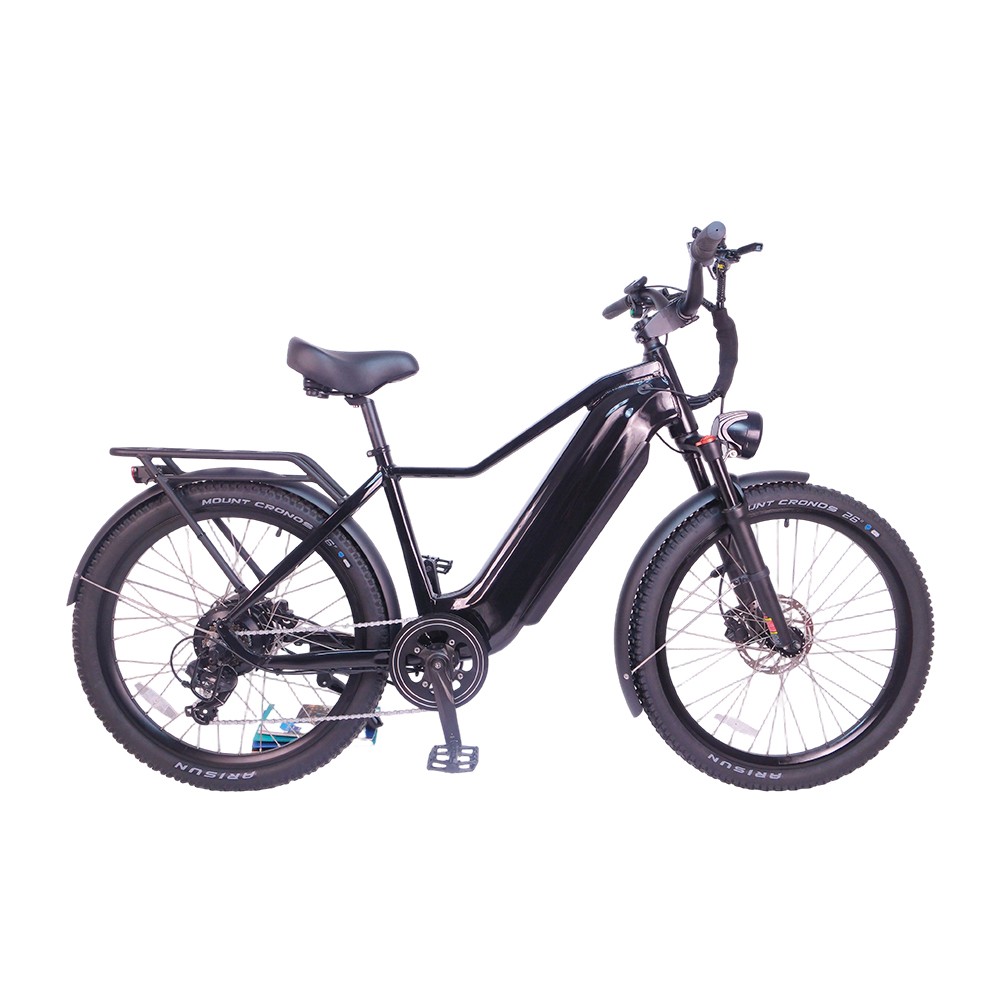
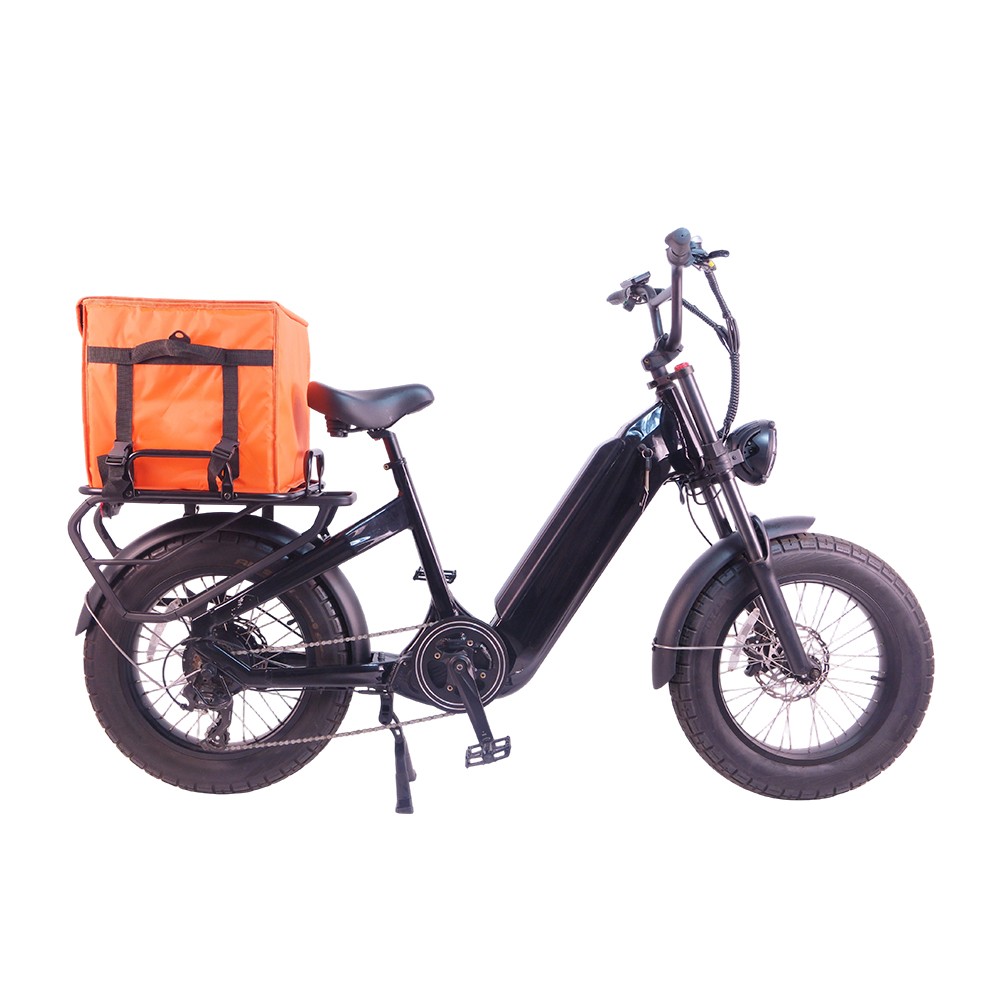
Logistics companies are investing heavily in electric cargo bikes to drastically lower last-mile delivery costs, bypass strict urban vehicle bans, and meet aggressive corporate carbon-reduction deadlines. As global e-commerce volumes rise and cities clamp down on conventional delivery vans, micro-mobility has evolved from a niche alternative into a core logistical strategy.
1. Last-Mile Financial Optimization
· Bypassing gridlock: Heavy-duty cargo e-bikes utilize designated bike lanes, allowing couriers to filter past traffic jams that trap large delivery trucks.
· Eliminating parking fines: Delivery drivers often incur costly parking tickets while unloading in dense urban areas; e-bikes park legally on spacious sidewalks and drop-off zones for free.
· Higher route density: Because e-bikes do not waste time circling city blocks for commercial parking spaces, riders can execute up todouble the number of deliveries per hour compared to conventional vans in congested metropolitan centers.
2. Regulatory Compliance and Urban Access
· Low Emission Zone access: Cities like London, Paris, and Amsterdam are continuously expanding Ultra Low Emission Zones (ULEZs). E-bikes maintain unrestricted, fee-free entry to these zero-emission urban corridors.
· Curfew exemptions: Many European and Asian metropolitan districts enforce early-morning or late-night noise restrictions on heavy diesel and gas vehicles. Whisper-quiet electric drivetrains sidestep these curfews completely.
· Future-proofing infrastructure: Investing in e-bike fleets shields logistics providers from upcoming total combustion engine bans set by major global capitals.
3. Structural & Operational Efficiency
· Micro-fulfillment integration: Major logistics corporations deploy a "hub-and-spoke" system. Large freight trucks drop packages at small, localized urban distribution centers, where fleets of e-cargo bikes handle the final sprint.
· Reduced capital expenditure: Acquiring, insuring, and maintaining a commercial electric cargo bike costs a fraction of the capital required for a full-sized electric delivery van.
· Lower driver licensing barriers: Operating a delivery van often requires special commercial driver classifications or extensive training; operating an e-bike requires basic safety training, expanding the eligible courier labor pool.
4. Meeting Sustainability and ESG Targets
· Scope 1 emission reduction: Shifting deliveries from combustion engines to electric bikes slashes direct carbon footprints, directly helping companies hit their Environmental, Social, and Governance (ESG) milestones.
· Green marketing advantages: Transparent corporate responsibility wins corporate delivery contracts with eco-conscious retailers who demand carbon-neutral supply chains.
Last-Mile Delivery Vehicle Comparison
|
Operational Metric |
Heavy-Duty Cargo E-Bike |
Electric Delivery Van |
Conventional Diesel Van |
|
Congestion Vulnerability |
Very Low (uses bike lanes) |
High (stuck in traffic) |
High (stuck in traffic) |
|
Parking Delay Per Stop |
0 minutes (sidewalk/curb) |
5–11 minutes (parking search) |
5–11 minutes (parking search) |
|
Daily Parking / Congestion Fees |
Zero |
High (varies by city zones) |
Extremely High (tolls + ULEZ fees) |
|
Payload Capacity |
150 kg – 350 kg |
1,000 kg – 1,800 kg |
1,000 kg – 2,000 kg |
|
Ideal Operational Environment |
Dense Urban / High Density |
Suburban / Mixed Industrial |
|